
AI-Powered Ergonomic Chairs: Revolutionary Innovation or Clever Marketing?
Jul 27,2025 | Smart-Living
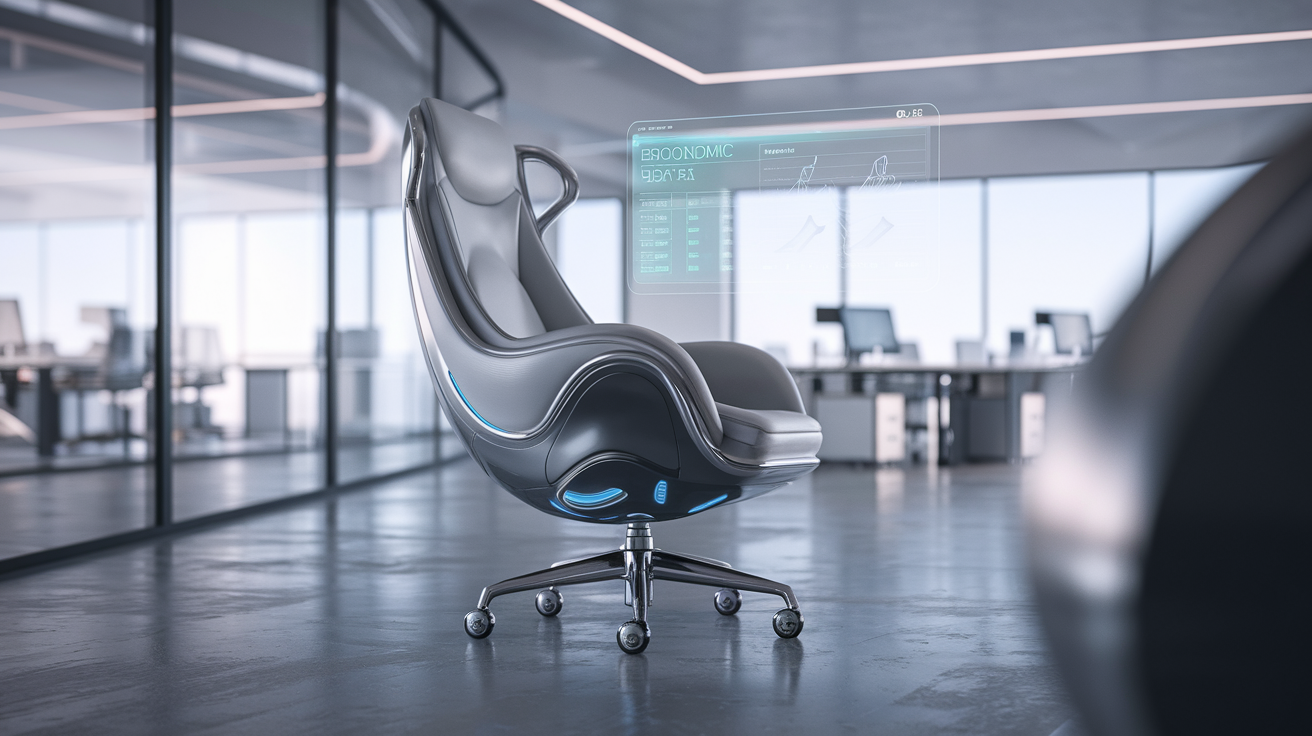
Table Of Contents
- Introduction: The Emergence of AI in Ergonomic Furniture
- What Are AI-Powered Ergonomic Chairs?
- Key Technologies Behind AI Ergonomic Chairs
- Potential Benefits of AI-Enhanced Seating
- Limitations and Concerns
- Real-World Performance: Do They Deliver?
- Cost vs. Value Analysis
- Alternatives to AI-Powered Chairs
- Making the Right Choice for Your Needs
- Conclusion: Hype or Help?
In a world increasingly shaped by technological innovation, even the humble office chair hasn't escaped the influence of artificial intelligence. The latest trend in ergonomic seating boasts sophisticated AI systems that promise to revolutionize how we sit, work, and care for our bodies during long hours at our desks. These high-tech chairs come with equally high-end price tags and ambitious claims about posture correction, personalized comfort, and health benefits.
But as with many technology-driven products, a crucial question emerges: Are AI-powered ergonomic chairs genuinely innovative solutions to workplace health concerns, or simply clever marketing designed to command premium prices? This comprehensive analysis explores the technology, benefits, limitations, and real-world performance of AI-enhanced ergonomic chairs to help you determine whether they represent a worthwhile investment or unnecessary extravagance.
As remote work becomes a permanent fixture in our professional lives and workplace wellness gains priority, understanding the true value of these next-generation seating options has never been more relevant. Let's separate fact from fiction and determine whether AI chairs are truly the future of healthy sitting or just another passing tech trend.
AI-Powered Ergonomic Chairs
Revolutionary Innovation or Clever Marketing?
High-tech chairs with AI capabilities promise to revolutionize how we sit at work. But do they deliver genuine health benefits, or are they just clever marketing? Let's explore the reality behind the hype.
AI Technology
Sensor networks, machine learning algorithms, and automated adjustment mechanisms work together to create responsive seating.
Potential Benefits
Dynamic posture support, personalization, preventative health monitoring, and behavior modification tools.
Key Limitations
Limited scientific validation, privacy concerns, technical complexity, and shorter expected lifespans compared to conventional chairs.
AI Chairs vs. Conventional Ergonomic Chairs
Who Benefits Most From AI Chairs?
Smart Alternatives
Premium Conventional Chairs
High-quality chairs with comprehensive manual adjustments at substantially lower prices with fewer potential failure points.
External Posture Monitoring
Computer vision systems or wearable devices that provide similar posture feedback without requiring a new chair.
Movement-Based Approaches
Alternating between sitting and standing using height-adjustable desks and scheduling regular movement breaks.
The Verdict
AI-powered chairs provide genuine benefits for specific users but may not justify their premium price for everyone. The core principles of good ergonomics don't require artificial intelligence to be effective.
Smart Ergonomics Without the Premium
At Smart Living, we believe in delivering exceptional ergonomic solutions at transparent, competitive prices by eliminating traditional retail markups.
Explore Smart Office CollectionWhat Are AI-Powered Ergonomic Chairs?
AI-powered ergonomic chairs represent the convergence of traditional ergonomic design with artificial intelligence and sensor technology. Unlike conventional ergonomic chairs that rely on manual adjustments and static support features, these next-generation seating solutions actively monitor and respond to user behavior, position changes, and physiological signals.
At their core, AI chairs incorporate a network of sensors embedded throughout the seating structure that continuously collect data about how you sit. These sensors track factors like pressure distribution, sitting position, movement patterns, and in some advanced models, even biometric data like heart rate or body temperature. The integrated AI systems analyze this data in real-time using complex algorithms and machine learning capabilities.
Based on this analysis, the chair makes automatic adjustments to its configuration—modifying lumbar support, seat depth, armrest height, or backrest angle—to optimize your posture and comfort without requiring manual intervention. More sophisticated models may even learn your preferences over time, adapting to your specific body type and sitting habits to create an increasingly personalized seating experience.
Many AI chairs also connect to smartphone applications that provide users with insights about their sitting habits, posture quality, and activity levels throughout the workday. Some offer coaching features that encourage movement, suggest breaks, or provide guidance on improving sitting posture over time.
This significant departure from traditional seating design creates a dynamic relationship between user and chair—one that promises to be responsive, adaptive, and increasingly intelligent as the technology matures. However, understanding the specific technologies that enable these features is essential for evaluating whether they deliver meaningful benefits.
Key Technologies Behind AI Ergonomic Chairs
The sophisticated functionality of AI-powered chairs relies on several core technologies working in concert. Understanding these components helps clarify what makes these chairs different from their conventional counterparts:
Sensor Networks
Modern AI chairs utilize multiple sensor types to gather comprehensive data about the user's sitting experience. Pressure sensors map weight distribution across the seat and backrest, detecting imbalances that might indicate poor posture. Position sensors track the spatial orientation of different chair components and how they relate to the user's body. Motion sensors detect movement patterns, including fidgeting or position changes that might signal discomfort.
In premium models, biometric sensors might monitor physiological signals like heart rate variability, respiration patterns, or even subtle changes in body temperature—all potential indicators of comfort, stress, or fatigue. These sensor networks create a continuous data stream that forms the foundation for the chair's intelligent responses.
Machine Learning Algorithms
The raw data collected by sensors becomes valuable only when interpreted through sophisticated machine learning algorithms. These AI systems establish baselines for optimal sitting positions based on ergonomic principles, then customize these ideals to individual users through ongoing data analysis.
As users interact with the chair over days and weeks, the algorithms identify patterns in sitting behavior, preferences for certain positions, and correlations between specific chair configurations and positive outcomes (like longer periods without position adjustment, indicating comfort). This machine learning component enables the chair to become increasingly personalized over time.
Automated Adjustment Mechanisms
Once the AI determines optimal adjustments, electromechanical systems translate these decisions into physical changes to the chair's configuration. Motorized components adjust lumbar support depth and position, seat pan angle and depth, armrest height and orientation, headrest position, and backrest recline—all without requiring manual intervention from the user.
These adjustment mechanisms must operate smoothly, quietly, and with sufficient precision to make subtle changes that improve ergonomics without disrupting the user's workflow or comfort.
User Interface and Connectivity
Modern AI chairs typically interface with mobile applications that display data visualizations, provide feedback on sitting habits, and allow users to override automatic adjustments when preferred. Cloud connectivity enables the chair to benefit from aggregated data across multiple users, improving its algorithms and potentially receiving software updates that enhance functionality over time.
Some chairs integrate with broader workplace wellness ecosystems, connecting to standing desk height adjustments, environmental controls, or even calendar applications to coordinate movement breaks with meeting schedules. This connectivity expands the chair's utility beyond physical adjustments to become part of a comprehensive approach to workplace wellbeing.
Potential Benefits of AI-Enhanced Seating
Proponents of AI-powered ergonomic chairs cite numerous potential advantages over traditional seating options. While individual experiences may vary, research and user feedback suggest several promising benefits:
Dynamic Posture Support
Perhaps the most significant advantage of AI chairs is their ability to provide dynamic, responsive support that adapts to changing positions throughout the workday. Unlike static chairs that maintain a single configuration, AI chairs can detect when users shift their weight, slouch, or adopt potentially harmful positions, then make subtle adjustments to encourage better alignment.
This dynamic support addresses a fundamental limitation of traditional ergonomic chairs: people rarely maintain ideal sitting postures for extended periods. By continuously responding to natural movement patterns, AI chairs work with human tendencies rather than requiring users to maintain rigid, prescribed positions.
Personalized Ergonomic Solutions
Standard ergonomic guidelines provide general recommendations based on population averages, but individual body proportions, preferences, and work styles vary significantly. AI chairs can develop highly personalized profiles for each user, learning their specific needs through continuous data collection and analysis.
For individuals with non-average body proportions or special ergonomic requirements due to previous injuries or chronic conditions, this personalization could potentially provide superior accommodations compared to manually adjusted chairs based on standard measurements.
Preventative Health Monitoring
Advanced AI chairs with biometric sensors offer potential early warning systems for problematic sitting patterns or physiological stress indicators. By tracking metrics like sustained static postures, tension patterns, or even subtle signs of discomfort before they become conscious, these chairs might help prevent issues before they develop into pain or injury.
Some models can detect extended periods of stillness and encourage movement through gentle seat adjustments or notification reminders, potentially reducing the negative health impacts associated with prolonged sitting.
Behavior Modification and Education
The feedback systems built into AI chair ecosystems can help users develop greater awareness of their sitting habits and gradually improve their posture even when not using the smart chair. Through app notifications, gentle physical nudges from the chair itself, or visualization of sitting data over time, users might develop better proprioception and body awareness.
This educational component could create lasting behavioral changes that extend beyond the immediate interaction with the chair itself, potentially offering long-term health benefits that traditional passive seating cannot provide.
While these benefits show promise, particularly for individuals with specific needs or those who spend extensive hours seated, the practical question remains whether these advantages translate to measurable improvements in comfort, productivity, and health outcomes that justify the significantly higher investment compared to high-quality conventional ergonomic chairs.
Limitations and Concerns
Despite their impressive technological capabilities, AI-powered ergonomic chairs face several limitations and raise important concerns that potential buyers should consider:
Limited Scientific Validation
While the general principles of ergonomics are well-established, the specific benefits of AI-driven adjustments lack robust, independent scientific validation. Most evidence for their effectiveness comes from manufacturer-sponsored studies rather than rigorous peer-reviewed research. The long-term health impacts—positive or negative—remain largely unknown.
Ergonomics experts have noted that some automatic adjustments might actually interrupt natural movement patterns or create dependency on artificial support systems, potentially weakening core muscles important for proper posture maintenance. Without comprehensive longitudinal studies, the true health impact remains speculative.
Privacy and Data Security
The continuous monitoring inherent in AI chair systems raises legitimate privacy concerns. These chairs collect highly personal data about physical behaviors, potentially including biometric information, often transmitting this data to cloud servers for processing and storage. Questions about data ownership, usage rights, and security protocols remain inadequately addressed by many manufacturers.
For workplace implementations, the monitoring capabilities of these chairs could potentially enable worker surveillance under the guise of wellness promotion—tracking time spent seated, frequency of breaks, or even productivity metrics correlated with sitting patterns. Clear policies about data collection, usage, and employee rights become essential considerations.
Technical Complexity and Reliability
The sophisticated technology that enables AI functionality also introduces numerous potential failure points not present in conventional chairs. Sensor malfunctions, software glitches, connectivity issues, or mechanical failures in adjustment mechanisms can render expensive features inoperable or even make the chair less comfortable than simpler alternatives.
Unlike traditional furniture with lifespans measured in decades, the electronic components in AI chairs have shorter expected lifespans and may become obsolete as technology advances. Repair options might be limited to manufacturer-authorized services, potentially leading to higher ownership costs and earlier replacement cycles.
Environmental Concerns
The integration of electronics, batteries, motors, and specialized materials makes AI chairs significantly less sustainable than conventional seating. These components complicate end-of-life recycling, potentially increasing environmental impact despite manufacturers' sustainability claims. Additionally, the energy consumption required to power these chairs—while minimal individually—adds another layer of environmental consideration when deployed at scale.
These limitations don't necessarily negate the potential benefits of AI chairs, but they do suggest that the technology might not represent an unqualified improvement over well-designed conventional ergonomic seating. For many users, the added complexity may offer diminishing returns relative to the increased cost and potential downsides.
Real-World Performance: Do They Deliver?
Moving beyond theoretical benefits and limitations, examining real-world user experiences and performance data provides crucial insight into whether AI chairs deliver on their promises. A balanced assessment reveals a mixed picture:
User Satisfaction Patterns
Feedback from early adopters of AI-powered chairs shows interesting patterns. Initial satisfaction rates typically run high, with users reporting novelty and appreciation for the technology's responsiveness. However, long-term satisfaction tends to diverge significantly based on several factors.
Users with specific ergonomic needs—such as those managing existing musculoskeletal conditions or with atypical body proportions—often report the highest sustained satisfaction, suggesting that personalization features may indeed provide value for these segments. In contrast, users with relatively typical requirements frequently report that the benefits diminish over time relative to the premium price point.
Interestingly, technically-oriented users tend to maintain higher satisfaction levels, possibly because they value the innovation itself in addition to the functional benefits. This suggests that for some purchasers, the appeal may partially lie in the technological sophistication rather than purely ergonomic advantages.
Comparative Performance Studies
Limited independent comparative studies between AI chairs and high-quality conventional ergonomic chairs show nuanced results. When properly adjusted by ergonomics professionals, traditional chairs often perform comparably to their AI counterparts in controlled short-term evaluations of comfort and posture quality.
However, in longitudinal studies of real-world usage, AI chairs show advantages in consistent support over time, as conventional chairs remain in static positions while users adopt varied postures. This suggests that the primary value proposition may be consistency of support rather than superior ergonomic design fundamentals.
One consistent finding across studies is that any ergonomic chair—AI or conventional—provides significantly better outcomes than non-ergonomic seating. The most meaningful comparison is not between having an AI chair versus none, but rather between AI chairs and high-quality conventional ergonomic options available at lower price points.
Reliability and Feature Utilization
Warranty claim data and customer service records indicate that AI chairs experience significantly higher rates of technical issues requiring service intervention compared to conventional models. While manufacturers have improved reliability with successive generations, the complexity inherent in these systems creates unavoidable vulnerability to malfunctions.
Perhaps more revealing is data on feature utilization over time. Many users report gradually disabling certain automatic functions in favor of manual controls, or using only a subset of the available smart features after the initial novelty period. This pattern suggests that some AI capabilities may address theoretical rather than actual user needs, or that the implementation of certain features remains imperfect.
The real-world performance data indicates that AI chairs do deliver genuine benefits for specific user segments, but the universal superiority claimed in marketing materials remains unsupported by independent evidence. For many users, the practical advantages may not align with the significant price premium these chairs command.
Cost vs. Value Analysis
The substantial price premium commanded by AI-powered ergonomic chairs—often 200-300% higher than high-quality conventional ergonomic models—necessitates a careful analysis of the value proposition. Understanding the cost structure and return on investment helps determine whether these chairs represent worthwhile expenditures for different user scenarios.
Component Cost Breakdown
The price differential between AI and conventional chairs stems from several factors. Beyond the base construction costs shared with premium conventional chairs, AI models incorporate expenses for sensor arrays, processing hardware, motorized adjustment mechanisms, software development, and ongoing support infrastructure. Additionally, as relatively low-volume products, they lack the economies of scale that moderate the prices of standard office furniture.
Manufacturers typically invest heavily in research and development, creating proprietary technologies marketed as unique selling propositions. This R&D investment, combined with the limited competition in this specialized market segment, contributes to elevated retail pricing that exceeds the direct production cost differential.
Potential Return on Investment
For individual consumers, calculating ROI involves considering several factors, including usage intensity, specific ergonomic needs, and potential health impacts. For those spending 8+ hours daily in their chairs with specific support requirements, the personalization benefits might justify the premium through improved comfort, productivity, and potentially reduced healthcare costs related to musculoskeletal issues.
For organizations implementing these chairs at scale, the calculation becomes more complex. While the per-unit cost is substantial, potential benefits include reduced absenteeism related to back pain (estimated to cost employers thousands annually per affected employee), improved productivity, and enhanced employee satisfaction. Some companies report success using AI chairs as targeted interventions for employees with documented ergonomic needs rather than universal deployments.
Total Cost of Ownership
Beyond the initial purchase price, AI chairs typically incur additional costs throughout their lifecycle. Extended warranty coverage is strongly recommended given the complexity of components, representing an added expense not necessary with simpler seating. Potential repair costs after warranty expiration can be substantial, particularly for proprietary electronic components or motors.
The expected useful life of AI chairs generally falls short of premium conventional seating. While a high-quality conventional ergonomic chair might provide 10-15 years of service, the technological components in AI models may become obsolete or fail within 5-7 years, effectively shortening the amortization period and increasing the annualized cost of ownership.
For many users, particularly those without specific ergonomic challenges, the cost-benefit analysis may favor investing in a high-quality conventional ergonomic chair combined with external posture monitoring tools or coaching if desired. This approach often provides comparable benefits at significantly lower total cost while avoiding the potential downsides of integrated technological complexity.
Smart Living's approach to office furniture exemplifies this balanced perspective, offering premium ergonomic designs without unnecessary technological complexity, allowing customers to invest in quality construction and proven ergonomic principles without paying for features that may deliver questionable additional value.
Alternatives to AI-Powered Chairs
For those interested in optimal ergonomics but hesitant about the cost, complexity, or limitations of AI-powered chairs, several compelling alternatives exist that may provide comparable benefits through different approaches:
High-Quality Conventional Ergonomic Chairs
Premium conventional ergonomic chairs with comprehensive manual adjustment capabilities often provide excellent support at substantially lower prices than AI alternatives. Models featuring adjustable lumbar support, seat depth, armrest positioning, and tension controls allow for personalized configuration without the complexity of automated systems.
The key advantage is simplicity and reliability—properly adjusted conventional chairs have fewer potential failure points and typically offer longer useful lifespans. Many ergonomics experts argue that learning to properly adjust a quality conventional chair provides better long-term value than depending on automated systems.
Smart Living's ergonomic seating collection offers premium construction and adjustability at direct-to-consumer prices, demonstrating that excellent ergonomic support need not command excessive premiums.
External Posture Monitoring Solutions
For those primarily interested in the posture feedback aspects of AI chairs, external monitoring solutions provide similar benefits without requiring investment in a new chair. Computer vision systems using ordinary webcams can track posture and provide real-time feedback, while wearable devices can monitor muscle tension and movement patterns.
These external solutions offer several advantages: they work with any existing seating, can provide monitoring across different environments (not just when using a specific chair), and typically cost a fraction of the price difference between AI and conventional chairs.
Comprehensive Ergonomic Workstations
Rather than concentrating ergonomic investment solely in seating, creating a holistic ergonomic workstation often provides superior outcomes. This approach might include a quality conventional ergonomic chair combined with an adjustable desk, proper monitor positioning, ergonomic input devices, and appropriate lighting.
Products from Smart Living's smart home collection can complement ergonomic seating to create comprehensive comfortable environments for work and productivity. This integrated approach addresses ergonomic needs throughout the workspace rather than focusing exclusively on seating.
Movement-Based Approaches
Recognizing that even perfect sitting posture can't eliminate the health challenges of prolonged sedentary behavior, many ergonomics professionals now recommend movement-based approaches. These might include alternating between sitting and standing using height-adjustable desks, incorporating active seating elements like balance balls for portions of the day, and scheduling regular movement breaks.
Simple timer applications can provide movement reminders comparable to those in AI chair systems, while connected devices can automate environmental changes that encourage periodic position adjustments. This dynamic approach often provides superior health outcomes compared to even the most sophisticated static seating.
By considering these alternatives, consumers can often create ergonomic solutions that meet their specific needs more effectively than a one-size-fits-all AI chair approach, while potentially saving significantly on initial investment and long-term ownership costs.
Making the Right Choice for Your Needs
With a clearer understanding of AI-powered chairs' capabilities, limitations, and alternatives, the question becomes how to determine the best solution for your specific circumstances. This decision framework can help guide a thoughtful evaluation process:
Assess Your Specific Requirements
Begin by honestly evaluating your particular needs and usage patterns. If you have specific ergonomic challenges—such as managing existing back pain, accommodating unusual body proportions, or requiring specialized support configurations—the personalization capabilities of AI chairs might provide meaningful benefits worth the premium.
Consider your daily sitting duration and intensity. For those who spend 8+ hours daily in the same chair, particularly in knowledge work requiring sustained focus, the potential benefits of optimal ergonomic support increase significantly. Conversely, for those with more varied daily activities or shorter sitting durations, the advantages of AI features diminish relative to their cost.
Also evaluate your technical comfort level and interest. If you enjoy technology integration and are willing to manage the learning curve and potential troubleshooting required with complex systems, you may derive more value from AI features than someone preferring simplicity and reliability.
Conduct Thorough Testing
Whenever possible, arrange extended trials of potential seating options. Many premium chair manufacturers offer trial periods, recognizing that brief showroom experiences rarely reveal how a chair will perform during actual workdays. During testing, pay attention not only to immediate comfort but also to factors like ease of adjustment, support during different tasks, and how you feel at day's end.
For AI chairs specifically, evaluate whether the automatic adjustments align with your preferences or occasionally create distractions. Test the manual override capabilities and consider whether you find yourself using or disabling the smart features during extended use.
Consider the Total Investment
Calculate the complete cost of ownership rather than focusing solely on purchase price. For AI chairs, this includes potential extended warranty costs, expected useful life before obsolescence or component failure, and the opportunity cost of allocating funds to seating versus other ergonomic workspace elements.
Compare this comprehensive cost against alternatives, such as investing in a premium conventional ergonomic chair plus external posture monitoring if desired, or dividing your ergonomic budget across multiple workspace elements for a holistic solution.
Smart Living's transparent pricing approach for office furniture provides an excellent baseline for understanding the true value of quality ergonomic products without the markup typically associated with traditional retail channels.
Balance Innovation with Proven Solutions
While technological innovation often drives meaningful improvements, balance enthusiasm for cutting-edge features with appreciation for well-established ergonomic principles. The fundamentals of good seating—proper support, appropriate dimensions, quality materials, and adjustability—remain consistent regardless of whether they're delivered through AI systems or conventional mechanisms.
Consider whether AI features address actual pain points in your experience or simply add complexity to solve problems you don't actually have. The most sophisticated solution isn't necessarily the most appropriate for your specific needs.
By applying this decision framework and maintaining focus on your particular requirements rather than marketing claims, you can make an informed choice that optimizes both ergonomic benefits and financial value, whether that leads you to an AI-powered chair or one of the compelling alternatives.
Conclusion: Hype or Help?
After thorough examination of AI-powered ergonomic chairs from multiple perspectives, the answer to whether they represent meaningful innovation or marketing hype is nuanced rather than binary. For some users—particularly those with specific ergonomic challenges, intensive daily usage patterns, or enthusiasm for integrated technology—these chairs may indeed provide value that justifies their premium pricing.
However, for many consumers, the practical benefits delivered by AI chairs may not align with their significant cost premium compared to high-quality conventional alternatives. The core ergonomic principles that determine seating comfort and health impacts remain consistent regardless of whether they're implemented through sophisticated automatic systems or thoughtfully designed manual adjustments.
The most balanced perspective recognizes that AI chairs represent one point on a spectrum of ergonomic solutions rather than an objective upgrade for all users. Their emergence has positively influenced the seating market by highlighting the importance of personalization and dynamic support, concepts that can be implemented through various approaches at different price points.
As with many technological products, the decision comes down to individual needs assessment rather than universal recommendations. By understanding both the capabilities and limitations of AI seating technology, consumers can make informed choices that prioritize genuine ergonomic benefits over technological novelty, and practical value over marketing promises.
The future will likely bring continued refinement of both AI and conventional ergonomic chair designs, potentially narrowing the current gaps in functionality, reliability, and cost. For now, smart consumers should evaluate these products based on their specific requirements rather than assuming that higher technological complexity automatically delivers proportionally greater benefits.
Experience Premium Ergonomic Solutions Without the Premium Price
At Smart Living, we believe in delivering exceptional quality without unnecessary markups. Explore our collection of ergonomically designed office furniture that combines proper support, premium materials, and thoughtful adjustability—all at transparent, competitive prices.
Browse our Smart Office collection today and discover how our direct-to-consumer approach allows you to invest in your comfort and wellbeing without overpaying for features you don't need.