Automated Laundry Racks: Complete Buyer's Guide
Oct 07,2025 | Smart-Living
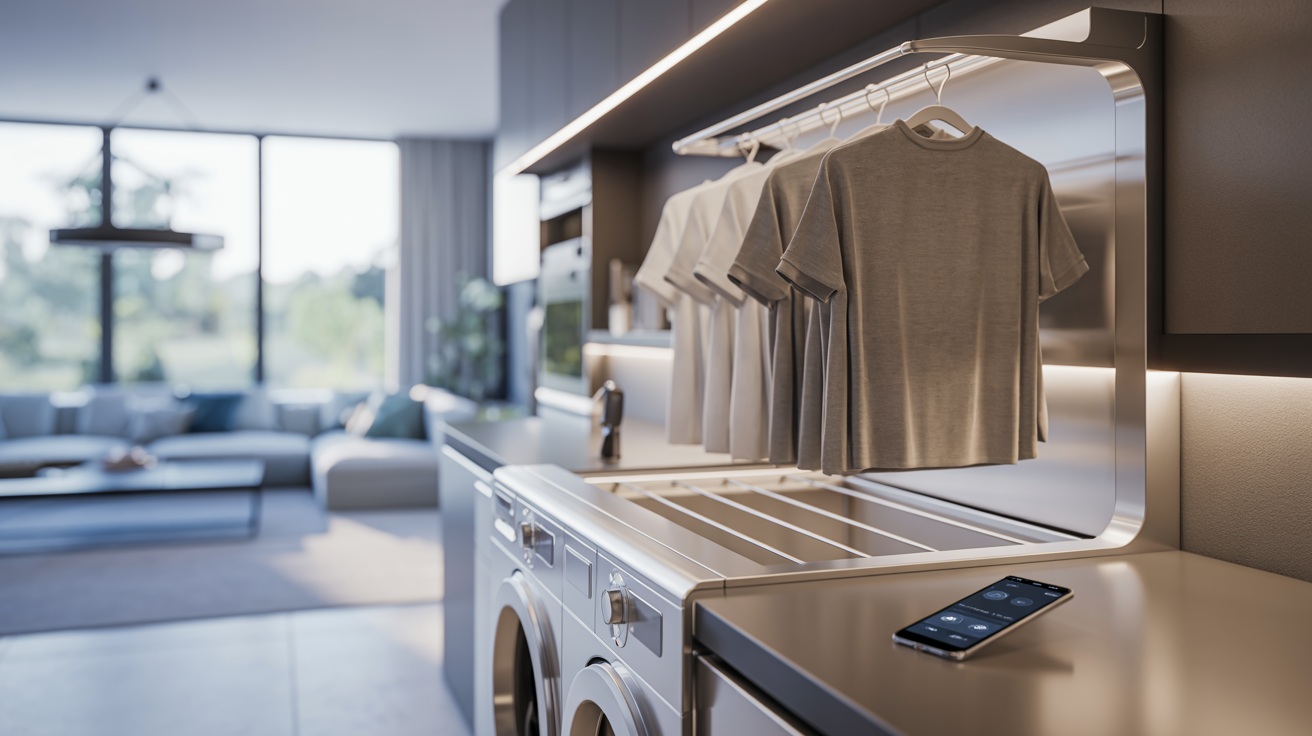
Table Of Contents
- Introduction
- What Are Automated Laundry Racks?
- Benefits of Automated Laundry Racks
- Key Features to Consider When Buying an Automated Laundry Rack
- Types of Automated Laundry Racks
- Top Automated Laundry Rack Models in 2025
- Installation and Space Considerations
- Price and Value Assessment
- Maintenance and Care Tips
- Conclusion
The modern home is increasingly becoming a hub of smart solutions designed to simplify everyday tasks, and laundry management is no exception. Automated laundry racks represent one of the most significant innovations in home laundry care, transforming the tedious process of hanging and drying clothes into an efficient, space-saving experience.
As we move through 2025, these intelligent drying solutions have evolved substantially, offering features like remote operation, humidity sensors, timing functions, and even integration with smart home systems. For busy households, compact living spaces, or anyone looking to bring efficiency to their laundry routine, automated laundry racks provide a compelling alternative to traditional drying methods.
In this comprehensive buyer's guide, we'll explore everything you need to know about automated laundry racks – from understanding their core functionality and benefits to comparing the latest models on the market. Whether you're upgrading your existing laundry setup or exploring smart home solutions for the first time, this guide will help you make an informed decision that balances quality, functionality, and value.
Automated Laundry Racks
The Complete 2025 Buyer's Guide
Modern solutions transforming home laundry management through smart technology and efficient design
What They Are
Innovative drying solutions with motorized components and smart controls that automate various aspects of clothes drying. They feature extendable rods that can be raised to the ceiling or retracted for easy loading.
Types Available
- Ceiling-Mounted Systems: Most popular, attaches to ceiling
- Wall-Mounted Systems: Extend from wall, ideal for balconies
- Freestanding Automated Racks: Portable, no installation
- Hybrid Drying Cabinets: Premium enclosed solutions
Key Benefits
Space Optimization
Maximizes living space by elevating clothes to the ceiling when not in use
Energy Efficiency
Uses only 200-400 watts vs. 3,000+ watts for standard dryers
Gentle on Clothing
Preserves fabric integrity, prevents shrinkage, and extends clothing lifespan
Smart Integration
Connect to WiFi for remote control via smartphone apps and voice assistants
Price Range Guide
Basic motorized lifting, manual controls, limited drying features
Improved motors, remote controls, basic heating, simplified smart features
Comprehensive smart integration, superior drying, enhanced capacity
Top Models to Consider
SmartDry Pro X7
45kg capacity with dual-zone heating and intelligent humidity sensing. Reduces drying time by up to 30%.
EcoLift 500
35kg capacity with essential features at half the cost of premium models. Perfect for everyday household needs.
EcoBreeze Ultra
Uses advanced inverter motor technology to reduce energy consumption by up to 40% compared to conventional models.
Ready to transform your laundry experience? Discover Smart Living's premium selection of innovative home solutions.
Shop Automated Laundry SolutionsSmart Living | Direct-to-Consumer Premium Home Solutions
What Are Automated Laundry Racks?
Automated laundry racks are innovative drying solutions that combine technology with practical design to simplify the clothes-drying process. Unlike traditional static drying racks or clotheslines, these systems feature motorized components and smart controls that automate various aspects of clothes drying.
At their core, automated laundry racks typically include extendable rods or bars that can be raised to the ceiling or retracted for easy access when loading and unloading laundry. This vertical movement allows homeowners to reclaim valuable floor space when the rack isn't in use – a particularly valuable feature in urban apartments or homes with limited square footage.
Most modern automated laundry racks incorporate heating elements, ventilation systems, and dehumidifying technology to accelerate the drying process. Advanced models in 2025 now feature IoT connectivity, allowing users to control and monitor the drying cycle remotely through smartphone applications.
The technology has come a long way from simple motorized lifting mechanisms. Today's automated laundry systems can sense humidity levels, adjust drying parameters based on load weight, and even integrate with other smart home devices to optimize energy usage and drying efficiency.
Benefits of Automated Laundry Racks
Investing in an automated laundry rack offers numerous advantages over conventional drying methods. Understanding these benefits can help you determine if this smart solution aligns with your household needs and lifestyle preferences.
Space Optimization
Perhaps the most significant advantage of automated laundry racks is their ability to maximize living space. By elevating clothes to the ceiling when not in use, these systems free up valuable floor area that would otherwise be occupied by traditional drying racks. This space-saving feature is particularly beneficial in apartments, condominiums, or homes with limited square footage.
Energy Efficiency
Compared to conventional electric dryers, automated laundry racks consume significantly less energy. Most models use between 200-400 watts during operation – a fraction of the 3,000+ watts required by standard tumble dryers. For environmentally conscious consumers or those looking to reduce utility costs, this represents substantial energy savings over time.
Gentler on Clothing
Air drying is inherently gentler on fabrics than machine drying. Automated laundry racks preserve the integrity of delicate materials, prevent shrinkage, and extend the lifespan of your clothing. The controlled drying environment also helps maintain color vibrancy and reduces wear from mechanical agitation.
Smart Home Integration
Modern automated laundry racks can connect to home WiFi networks, enabling remote control through smartphone apps. This integration allows users to start, stop, or adjust drying cycles from anywhere. Many systems also work with voice assistants like Alexa or Google Home, providing hands-free operation for ultimate convenience.
Weather Independence
Unlike outdoor clotheslines, automated indoor drying solutions function regardless of weather conditions. Rain, humidity, or cold temperatures won't impact your ability to dry clothes efficiently, providing year-round reliability without the unpredictability of outdoor drying.
Enhanced Hygiene
Many automated laundry racks incorporate UV sterilization technology and air purification features that eliminate bacteria, dust mites, and odors during the drying cycle. These hygiene-enhancing capabilities are especially beneficial for households with allergy sufferers or young children.
Key Features to Consider When Buying an Automated Laundry Rack
When evaluating different automated laundry rack models, several key features will impact both performance and user experience. Understanding these elements will help you identify the solution that best meets your specific requirements.
Load Capacity
Automated laundry racks vary significantly in their weight-bearing capabilities. Standard residential models typically support between 25-50kg (55-110lbs) of wet laundry. Consider your household size and typical laundry volume when assessing capacity requirements. Families of four or more may benefit from high-capacity systems that can accommodate larger loads without risk of overloading or mechanical failure.
Drying Technology
The drying mechanism significantly influences both efficiency and energy consumption. Look for systems with balanced airflow distribution, adjustable heating elements, and dehumidification capabilities. Advanced models incorporate inverter technology that adjusts power consumption based on load size and moisture levels, optimizing energy usage while accelerating the drying process.
Control Systems
Modern automated laundry racks offer various control interfaces, from basic wall-mounted panels to sophisticated smartphone applications. Consider which control method aligns with your preferences and technical comfort level. WiFi-enabled systems provide the greatest flexibility, allowing remote operation and integration with existing smart home ecosystems. Some premium models even offer voice control compatibility with popular assistants like Amazon Alexa or Google Assistant.
Installation Requirements
Installation complexity varies considerably between different automated laundry rack designs. Ceiling-mounted systems typically require professional installation to ensure proper anchoring and electrical connection. Wall-mounted or freestanding units often offer simpler setup but may have different space requirements or load limitations. Assess your home's structural characteristics and determine whether professional installation costs should factor into your purchasing decision.
Smart Features
The latest automated laundry racks incorporate intelligent features that enhance convenience and efficiency. Look for capabilities such as humidity detection (which automatically adjusts drying time based on moisture levels), scheduling functions, energy usage monitoring, and automatic shut-off protection. Premium models may include additional innovations like clothing type recognition that optimizes drying parameters based on fabric composition.
Noise Level
Operational noise can be an important consideration, particularly for open-concept homes or installations near bedrooms. Most manufacturers specify noise levels in decibels (dB), with quieter models operating in the 40-50dB range – approximately equivalent to a library or quiet conversation. Models with inverter motors typically produce less noise than those with conventional motors, especially during startup and speed transitions.
Types of Automated Laundry Racks
Automated laundry racks come in several distinct configurations, each with specific advantages and installation requirements. Understanding these variations will help you determine which type best suits your living space and lifestyle needs.
Ceiling-Mounted Systems
Ceiling-mounted automated laundry racks represent the most popular configuration in modern homes. These systems attach directly to the ceiling, allowing clothes to be raised completely out of the way when not in use. Most ceiling models feature remote-controlled operation, with the rack descending to a comfortable height for loading and unloading laundry.
Ceiling-mounted systems excel in space efficiency but require appropriate ceiling height (typically minimum 2.4 meters) and adequate structural support. Installation generally involves securing mounting brackets to ceiling joists and connecting the system to household electrical supply – a process best handled by professional installers.
Wall-Mounted Systems
Wall-mounted automated laundry racks extend outward from the wall when in use and fold flat against it when retracted. This design is particularly suitable for balconies, bathrooms, or utility rooms where ceiling mounting might not be practical. Many wall-mounted systems incorporate folding arms or telescoping rods that provide substantial drying capacity without permanent floor space commitment.
While typically offering smaller capacity than ceiling models, wall-mounted systems often feature simpler installation requirements and may work better in spaces with lower ceilings or limited overhead access.
Freestanding Automated Racks
For renters or those who prefer non-permanent installations, freestanding automated laundry racks provide a portable alternative. These systems typically feature a stable base unit containing the motor and control components, with extending poles or frames that rise vertically when activated.
Freestanding units offer excellent flexibility, allowing repositioning within your home as needed. However, they generally provide less drying capacity than mounted alternatives and require dedicated floor space even when not in operation.
Hybrid Drying Cabinets
Representing the premium segment of the market, hybrid drying cabinets combine automated rack functionality with enclosed cabinet design. These comprehensive systems feature internal racks, hangers, and specialized compartments for different clothing types, all housed within an attractive cabinet that blends with home décor.
Hybrid solutions offer enhanced drying performance through precise environmental control, including temperature regulation, air filtration, and dehumidification. While requiring significant space commitment and higher investment, these systems provide the most complete laundry drying solution for those seeking maximum performance and aesthetic integration.
Top Automated Laundry Rack Models in 2025
The automated laundry rack market has evolved significantly in recent years, with manufacturers introducing innovative features and improved performance. Here's an overview of leading models that demonstrate excellence in different categories.
Best Overall Performance
The SmartDry Pro X7 stands out as the most comprehensive automated laundry solution currently available. Featuring a 45kg capacity ceiling-mounted design, the X7 incorporates dual-zone heating, intelligent humidity sensing, and full smart home integration. Its proprietary airflow system reduces drying time by up to 30% compared to standard models while maintaining gentle fabric care. The accompanying smartphone app provides detailed energy usage statistics and allows customization of drying programs for different fabric types.
Best Value Option
For budget-conscious consumers seeking quality performance without premium pricing, the EcoLift 500 offers exceptional value. This ceiling-mounted system supports up to 35kg of laundry and includes essential features like remote operation, timer functions, and basic humidity detection. While lacking some advanced capabilities of higher-priced models, the EcoLift delivers reliable performance for everyday household needs at approximately half the cost of premium alternatives.
Most Innovative Design
The AirFlex Transform introduces a revolutionary modular design that can adapt to different installation configurations. This versatile system can be mounted to ceilings, walls, or even function as a freestanding unit with the optional base kit. Its patented telescoping frame allows users to customize the drying area based on specific needs, while maintaining a compact profile when retracted. The Transform's flexibility makes it ideal for homes where spatial requirements might change over time.
Best Space-Saving Solution
The CompactDry Vertical specifically addresses the needs of apartment dwellers and those with limited square footage. This innovative wall-mounted system utilizes vertical space efficiently, extending upward rather than outward when deployed. Despite its space-conscious design, the Vertical accommodates up to 25kg of laundry and incorporates effective heating and ventilation systems that accelerate drying even in compact installations.
Most Energy-Efficient
The EcoBreeze Ultra sets new standards for energy efficiency in automated laundry systems. Utilizing advanced inverter motor technology and precision humidity sensors, the Ultra continuously optimizes power consumption based on real-time drying requirements. Its innovative heat recovery system recaptures and recirculates warm air, reducing energy consumption by up to 40% compared to conventional models while maintaining excellent drying performance.
Installation and Space Considerations
Proper installation is critical to ensuring optimal performance, safety, and longevity of your automated laundry rack. Before purchasing, carefully evaluate your installation environment and consider these important factors.
Location Assessment
The ideal location for an automated laundry rack combines convenience, adequate space, and proper environmental conditions. Common installation areas include utility rooms, bathrooms, balconies, and dedicated laundry spaces. Consider proximity to your washing machine to minimize the transfer distance for wet clothing. Evaluate ceiling height, structural support, and available electrical connections in your preferred location before committing to a specific model.
Structural Requirements
Ceiling-mounted systems require robust structural support to safely handle the combined weight of the mechanism and wet laundry. Most manufacturers recommend installation directly into ceiling joists or concrete ceilings. Drywall or suspended ceilings typically cannot support these systems without additional reinforcement. For wall-mounted models, verify that your walls can support the operational load – brick, concrete, or stud walls are generally suitable, while plasterboard alone may be insufficient.
Electrical Considerations
Automated laundry racks require reliable electrical connections for safe operation. Most residential models operate on standard household current (110-240V depending on region), but may need dedicated circuits for models with powerful heating elements. Professional installation should include proper grounding and may require waterproof electrical connections for bathroom or outdoor installations. Consider the proximity of existing outlets or the feasibility of installing new electrical connections when planning your setup.
Ventilation Requirements
Effective drying requires adequate air circulation. When installing in enclosed spaces like bathrooms or utility rooms, ensure sufficient ventilation to prevent excessive humidity buildup. Some installations may benefit from exhaust fans or dehumidifiers to maintain optimal drying conditions. Avoid locations with restricted airflow, as this can significantly extend drying times and potentially lead to musty odors in laundry.
Professional vs. DIY Installation
While some wall-mounted or freestanding models can be installed by homeowners with moderate DIY skills, ceiling-mounted systems generally require professional installation. Professional installers can verify structural integrity, ensure proper electrical connections, and optimize placement for both performance and safety. Many manufacturers offer installation services or can recommend certified installers familiar with their specific products. Professional installation also typically includes warranty protection that might be invalidated by improper DIY mounting.
Price and Value Assessment
Automated laundry racks represent a significant household investment, with prices varying substantially based on design, capacity, features, and technology integration. Understanding the relationship between price points and value delivered can help you make an informed purchasing decision that aligns with both your needs and budget.
Price Ranges
Entry-level automated laundry racks typically start around $300-$500. These basic models generally offer essential motorized lifting functionality with manual controls and limited drying assistance features. Mid-range systems priced between $500-$1,000 incorporate improved motors, remote controls, basic heating elements, and simplified smart functionality.
Premium automated laundry systems range from $1,000-$2,500 and feature comprehensive technology integration, superior drying performance, enhanced capacity, and sophisticated control systems. Ultra-premium hybrid drying cabinets with advanced features can exceed $3,000 but represent complete laundry management solutions rather than simply automated racks.
Long-Term Value Considerations
When assessing value, consider both immediate functionality and long-term benefits. Higher-priced models typically offer greater durability with quality components that extend operational lifespan. Energy efficiency features may provide ongoing utility savings that partially offset higher initial costs. Smart integration capabilities future-proof your investment as home automation continues to evolve.
Additionally, consider how automated laundry systems impact other household costs. By reducing or eliminating the need for electric dryers, these systems can significantly reduce energy consumption. Their gentle drying approach extends clothing lifespan, potentially reducing replacement frequency for garments damaged by conventional dryer heat and agitation.
Total Cost of Ownership
Beyond the purchase price, consider installation costs, which typically range from $150-$400 depending on complexity and local labor rates. Most quality systems include 2-5 year warranties, but verify coverage details before purchasing. Operational costs remain minimal compared to conventional dryers, with typical electricity usage ranging from 200-400 watts during active drying cycles.
Maintenance requirements are generally minimal, with most systems requiring only occasional cleaning and inspection. However, factor in potential part replacement costs for motors or control systems beyond the warranty period when calculating long-term ownership expenses.
Making the Right Investment
For most households, mid-range automated laundry racks offer the optimal balance of functionality and value. These systems provide reliable performance and essential smart features without the premium cost of advanced models. Consider prioritizing quality construction and motor reliability over decorative elements or non-essential features to maximize long-term value.
If your budget allows, investing in systems with humidity sensing and adjustable drying programs can significantly enhance everyday usability and energy efficiency. These features optimize drying times and reduce unnecessary operation, providing tangible benefits over basic motorized models.
Maintenance and Care Tips
Proper maintenance ensures optimal performance and extends the lifespan of your automated laundry rack. Most systems require minimal upkeep, but following these recommendations will help maintain efficiency and prevent potential issues.
Regular Cleaning
Dust and lint accumulation can impact both performance and air quality over time. Clean exposed surfaces monthly using a soft, dry cloth to remove dust from rails, bars, and housing components. For models with heating elements or ventilation systems, check manufacturer guidelines for accessing and cleaning these components quarterly to maintain efficient operation.
Load Management
Consistently exceeding weight recommendations stresses mechanical components and can lead to premature failure. Distribute laundry evenly across the rack to maintain balance during raising and lowering operations. Avoid hanging exceptionally heavy items like wet comforters unless your system specifically supports such loads. For optimal drying, maintain some space between garments to allow air circulation rather than overcrowding the rack.
Mechanical Inspection
Periodically inspect visible mechanical components for signs of wear or damage. Check that mounting hardware remains securely fastened, especially for ceiling-installed systems where loosening could present safety concerns. For systems with cables or pulley mechanisms, verify that these remain properly tensioned and free from fraying or damage. Most manufacturers recommend a professional inspection every 1-2 years for ceiling-mounted systems.
Software Updates
For smart-enabled automated laundry racks, regularly check for firmware or application updates. Manufacturers frequently enhance functionality, resolve operational issues, or improve security through software updates. Configure your system to receive automatic update notifications when available, and implement these promptly to maintain optimal performance and compatibility with other smart home systems.
Troubleshooting Common Issues
If your automated rack operates inconsistently or makes unusual noises, first check for obstructions that might interfere with movement. Verify that the rack remains level and properly balanced. For systems that suddenly stop functioning, check electrical connections and circuit breakers before assuming mechanical failure. Many smart-enabled models include diagnostic capabilities through their companion apps that can identify specific issues requiring attention.
When experiencing persistent problems, consult your owner's manual for troubleshooting guidance specific to your model. Most manufacturers maintain dedicated support resources, including online knowledge bases, customer service contacts, and authorized repair networks for issues requiring professional attention.
Conclusion
Automated laundry racks represent a significant evolution in home laundry management, combining technological innovation with practical functionality to address everyday household needs. As we've explored throughout this guide, these systems offer compelling advantages over traditional drying methods – from space optimization and energy efficiency to enhanced clothing care and smart home integration.
When selecting the right automated laundry rack for your home, consider your specific requirements regarding capacity, installation environment, desired features, and budget constraints. The ideal system balances these factors while providing reliable performance and value that justifies the investment. While premium models offer advanced capabilities and comprehensive smart integration, even entry-level automated systems deliver significant improvements over conventional drying approaches.
With proper installation and maintenance, a quality automated laundry rack will provide years of convenient, efficient service while contributing to a more organized and functional living environment. By eliminating the clutter of traditional drying racks and reducing dependency on energy-intensive dryers, these innovative systems align perfectly with modern trends toward space efficiency, energy conservation, and intelligent home management.
Whether you're upgrading your current laundry setup or outfitting a new home, automated laundry racks offer a forward-thinking solution that combines everyday practicality with the convenience of smart home technology – making them a worthy consideration for any household seeking to modernize their approach to laundry care.
Ready to transform your laundry experience with an automated laundry rack? Discover Smart Living's premium selection of innovative home solutions at transparent, competitive prices. We work directly with original manufacturers to bring you exceptional quality without the retail markup.