Bamboo, Rattan or Rubber-Wood? The Ultimate Eco-Friendly Materials Comparison
Jul 28,2025 | Smart-Living
Table Of Contents
- Introduction
- Environmental Impact Assessment
- Durability and Longevity Comparison
- Practical Applications in Home Furniture
- Maintenance Requirements
- Aesthetic Versatility
- Cost and Value Analysis
- Eco Certification and Standards
- 2025 Eco-Friendly Rankings
- Conclusion
In an era where sustainable living has transitioned from trend to necessity, the materials we choose for our homes speak volumes about our environmental values. Bamboo, rattan, and rubber-wood have emerged as leading contenders in eco-friendly furniture materials, each offering distinct environmental benefits and aesthetic qualities. But which truly deserves the top spot in your sustainable home?
As conscious consumers increasingly prioritize environmental impact alongside quality and design, understanding the true sustainability credentials of these materials becomes essential. The challenge lies in navigating through marketing claims to identify which option genuinely aligns with both ecological responsibility and practical home needs.
This comprehensive comparison delves into the environmental footprint, durability, versatility, and overall value proposition of bamboo, rattan, and rubber-wood. By examining everything from cultivation practices to end-of-life considerations, we'll establish a definitive eco-ranking for 2025 that empowers you to make truly informed decisions for your sustainable living space.
Environmental Impact Assessment
When evaluating the environmental impact of furniture materials, we must consider the entire lifecycle: cultivation, harvesting, processing, manufacturing, transportation, use, and eventual disposal. Each stage contributes to the material's overall ecological footprint. Let's examine how bamboo, rattan, and rubber-wood perform across these dimensions.
Bamboo's Green Footprint
Bamboo has earned considerable praise as a sustainable material, and for good reason. As a grass rather than a tree, bamboo reaches maturity in just 3-5 years, compared to the decades required for hardwood trees. This rapid growth cycle makes bamboo an exceptionally renewable resource.
The environmental benefits extend beyond growth rate alone. Bamboo plantations sequester carbon at impressive rates—up to 70% more than equivalent hardwood forests. Additionally, bamboo requires minimal intervention to thrive; it generally needs no pesticides and substantially less water than many timber crops.
However, the environmental equation changes somewhat during processing. Converting bamboo into usable furniture material often involves intensive processing and bonding agents. Conventional bamboo products may utilize formaldehyde-based adhesives, though many manufacturers now opt for low-VOC alternatives. The energy requirements for processing bamboo into finished products can also diminish its overall ecological advantage.
Transportation impact represents another consideration, as most bamboo furniture materials originate from Southeast Asia or China, potentially adding significant carbon miles for consumers in other regions. Despite these processing and transportation factors, bamboo's exceptional growth rate and minimal cultivation requirements keep it among the most environmentally sound options available.
Rattan's Sustainability Profile
Rattan, a naturally growing vine belonging to the palm family, presents a unique ecological profile. Unlike bamboo, which is intensively cultivated, rattan grows wild in the rainforests of Southeast Asia, Africa, and Australia. This natural growth pattern offers both advantages and challenges from a sustainability perspective.
On the positive side, rattan cultivation can incentivize forest preservation. Since rattan vines need the forest canopy to grow, communities that harvest rattan have economic motivation to maintain forest ecosystems rather than convert them to other uses. This symbiotic relationship between rattan harvesting and forest preservation represents a powerful model for sustainable resource management.
From a processing standpoint, rattan holds distinct advantages. Its natural pliability and strength mean it requires minimal processing to transform into furniture. Traditional rattan furniture production involves mainly manual techniques with low energy requirements and few chemical inputs. This artisanal approach translates to a lower carbon footprint during the manufacturing phase.
The primary environmental concern with rattan relates to harvesting practices. Unsustainable harvesting can damage forest ecosystems and deplete rattan resources. Additionally, as with bamboo, the concentration of production in Southeast Asia means significant transportation emissions for products reaching North American or European markets. Certified sustainable rattan addresses these concerns but may command premium prices.
Rubber-Wood's Eco Credentials
Rubber-wood offers a sustainability story distinct from both bamboo and rattan. This material comes from rubber trees (Hevea brasiliensis) that have reached the end of their latex-producing lifecycle—typically after 25-30 years. Rather than burning these trees or leaving them to decay, harvesting them for timber gives the wood a second life.
This reclamation aspect constitutes rubber-wood's strongest environmental credential. As a by-product of rubber production, the wood represents efficient resource utilization rather than dedicated timber harvesting. Furthermore, rubber plantations serve as carbon sinks during their productive lifespan, absorbing CO2 while simultaneously producing valuable latex.
Processing rubber-wood involves some environmental tradeoffs. The material requires chemical treatment to prevent fungal and insect damage due to its high sugar content. These treatments have historically involved borates or other preservatives, though advances in eco-friendly preservation methods continue to improve the material's overall environmental profile.
Transportation impact varies depending on the manufacturing location. While rubber trees grow primarily in Southeast Asia, processing facilities exist in many regions, potentially reducing shipping distances compared to bamboo or rattan. Additionally, rubber-wood's relative density makes transportation more energy-efficient than for bulkier materials.
Durability and Longevity Comparison
Sustainability extends beyond initial production factors to include a material's longevity. Durable furniture that lasts for decades ultimately creates less environmental impact than pieces requiring frequent replacement. In this regard, our three materials show significant differences.
Bamboo, when properly processed, demonstrates impressive durability. Quality bamboo furniture can last 10-20 years with proper care. The material scores high on the Janka hardness scale—exceeding many traditional hardwoods—making it resistant to dents and scratches. However, bamboo remains susceptible to water damage and can warp or swell if exposed to humidity fluctuations, potentially limiting its lifespan in certain environments.
Rattan combines flexibility with surprising strength. Well-made rattan furniture often serves generations, with many vintage pieces showing remarkable longevity of 30+ years. The material's natural elasticity allows it to withstand pressure without breaking, though untreated rattan may deteriorate when exposed to direct sunlight or moisture over extended periods. Indoor rattan furniture generally outlasts outdoor applications unless specifically treated for weather resistance.
Rubber-wood offers moderate durability, typically lasting 5-10 years under normal use. While reasonably hard and naturally resistant to bacteria, rubber-wood remains more vulnerable to scratches and dents than bamboo. Its longevity largely depends on manufacturing quality, particularly the effectiveness of its protective treatments and finishes. With proper care and quality construction, rubber-wood furniture can extend beyond its average lifespan.
From a sustainability perspective, rattan's exceptional longevity gives it an edge in this category, as longer-lasting furniture equates to fewer resources used for replacements over time. However, proper maintenance significantly influences the actual lifespan of all three materials, making care practices an important factor in their overall ecological impact.
Practical Applications in Home Furniture
Each material offers distinct advantages for different furniture applications, influencing both their sustainability and practicality in various home contexts.
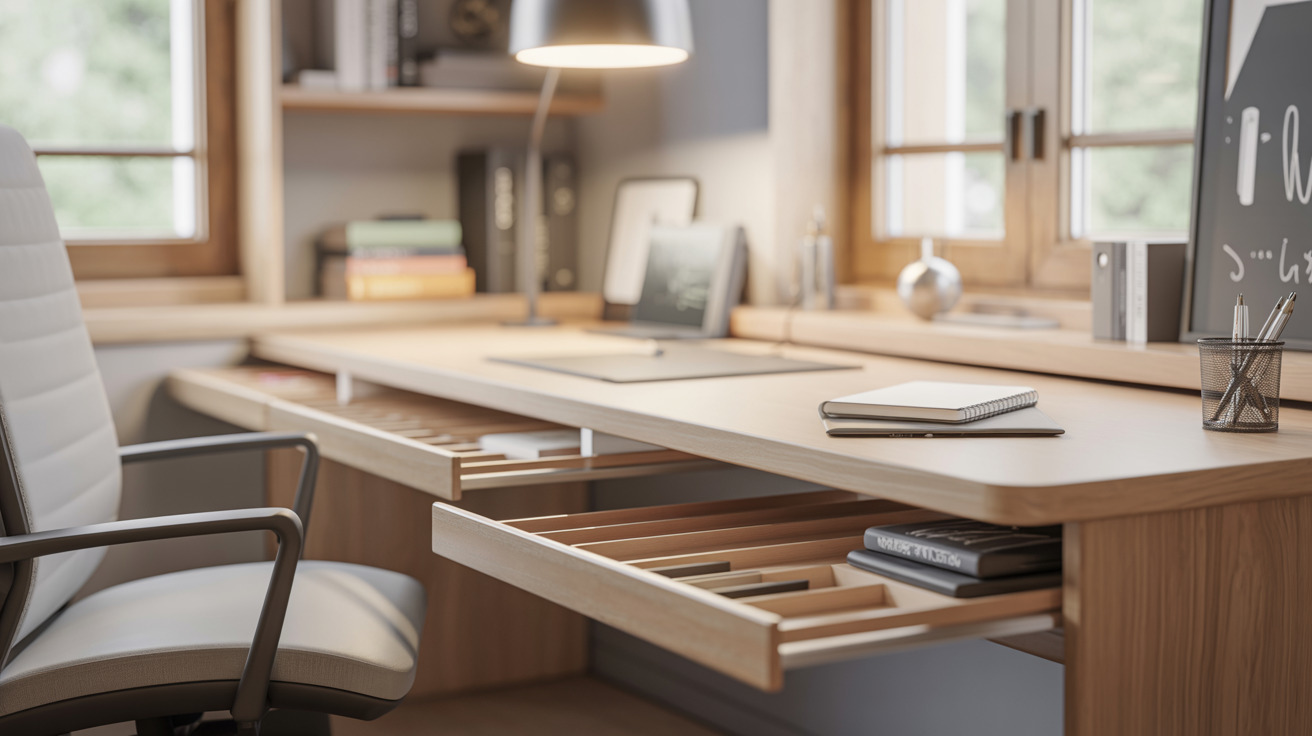
Bamboo excels in applications requiring structural strength and contemporary aesthetics. Its versatility allows for various manufacturing techniques, from solid bamboo furniture to engineered boards and veneers. Smart office solutions often incorporate bamboo for desks, shelving, and organizational accessories, leveraging its clean lines and modern appearance. In kitchen and bathroom settings, bamboo's natural moisture resistance (when properly sealed) makes it suitable for cabinetry, countertops, and accessories.
Rattan shines in creating statement pieces with natural texture and visual interest. Its traditional use in seating—chairs, sofas, and headboards—capitalizes on the material's inherent flexibility and ergonomic qualities. The distinctive woven patterns of rattan add warmth and organic character to living spaces, making it particularly popular in bohemian, coastal, and eclectic interior designs. Lighter rattan pieces also offer practical advantages for those who frequently rearrange their furniture.
Rubber-wood has found its niche in solid wood furniture applications, particularly dining tables, chairs, bed frames, and children's furniture. Its stable grain pattern accepts stains uniformly, allowing for diverse finish options to complement various smart home aesthetics. The material's affordability relative to traditional hardwoods makes it accessible for budget-conscious consumers seeking solid wood alternatives to particleboard or MDF furniture.
For versatility across applications, bamboo offers the broadest range of possibilities due to its various manufacturing formats. However, rattan provides unmatched distinctive character, while rubber-wood delivers traditional solid wood benefits at more accessible price points. When selecting the most sustainable option, consider which material best suits your specific needs—a perfectly matched application typically results in longer use and greater satisfaction.
Maintenance Requirements
Maintenance practices significantly impact both the longevity of furniture and its ongoing environmental footprint. The ease of care and types of cleaning products required contribute to each material's overall sustainability profile.
Bamboo furniture typically requires moderate maintenance. Regular dusting with a soft cloth prevents buildup that can scratch the surface. For cleaning, slightly damp cloths with mild soap suffice, but excess moisture should be avoided. Bamboo benefits from occasional reapplication of food-safe mineral oil or specific bamboo conditioning products to prevent drying and cracking. From an environmental perspective, bamboo's maintenance advantages include the ability to use simple, non-toxic cleaning solutions rather than harsh chemicals.
Rattan demands somewhat more attentive care to preserve its appearance and structural integrity. Regular vacuuming with a soft brush attachment removes dust from the woven patterns. Occasional gentle cleaning with a slightly damp cloth helps remove deeper dirt, though rattan should never be soaked. Annual application of natural linseed or coconut oil maintains flexibility and prevents brittleness. While rattan may require more frequent maintenance than other options, the cleaning methods remain environmentally friendly, typically requiring only natural products.
Rubber-wood maintenance depends largely on its finish. Most rubber-wood furniture features protective sealants that simplify cleaning to regular dusting and occasional wiping with a damp cloth. Oil-finished pieces require periodic reapplication of food-grade oils to maintain protection. Like bamboo, rubber-wood can be maintained with minimal environmental impact by choosing eco-friendly cleaning and conditioning products. However, heavily used pieces may eventually require refinishing, which could involve more intensive processes and products.
From a sustainability standpoint, all three materials offer the advantage of maintainability using relatively eco-friendly products. Bamboo generally requires the least intervention, potentially reducing its lifetime resource consumption for maintenance, though all three can be cared for using natural, low-impact methods.
Aesthetic Versatility
The ability of a material to adapt to changing design preferences affects its longevity in homes, directly impacting sustainability through reduced replacement cycles. Each of our materials offers different degrees of design flexibility and timeless appeal.
Bamboo presents a chameleon-like quality in interior design. Its natural blonde coloring works beautifully in minimalist, Scandinavian, and contemporary settings, while darker stained bamboo complements mid-century modern and transitional spaces. The material's clean lines and uniform appearance give it remarkable versatility across smart home styles. Additionally, bamboo can be engineered into various forms—from solid planks to woven textures—further expanding its design applications.
Rattan boasts distinctive character that makes it both a blessing and a challenge from a design perspective. Its organic, textural quality creates instant visual interest and warmth in nearly any space. While traditionally associated with tropical, bohemian, or coastal aesthetics, rattan has experienced a renaissance in contemporary design, appearing in sleek modern forms that transcend its traditional associations. The material's enduring presence throughout design history suggests inherent timelessness, though its distinctive appearance makes it less of a neutral backdrop than bamboo or rubber-wood.
Rubber-wood offers perhaps the most traditional aesthetic of the three materials. Its appearance closely resembles conventional hardwoods, with a relatively neutral grain pattern that accepts various finishes. This characteristic allows rubber-wood to blend seamlessly into traditional, transitional, farmhouse, and even contemporary interiors. While lacking the distinctive character of rattan or the modern associations of bamboo, rubber-wood's neutrality represents its greatest aesthetic strength, allowing it to adapt to evolving design preferences over time.
For maximum design adaptability, rubber-wood's neutral character and bamboo's clean versatility offer advantages over rattan's more distinctive personality. However, rattan's enduring appeal across decades of changing design trends suggests its unique character has timeless qualities that transcend passing fads.
Cost and Value Analysis
The initial investment in furniture affects not only accessibility but also influences how we value and maintain our possessions. From a sustainability perspective, appropriate pricing encourages maintenance and repair rather than disposal. Let's examine how our three materials compare in cost structure and long-term value.
Bamboo occupies a middle price tier among our contenders. Quality bamboo furniture typically costs more than mass-market wood alternatives but less than premium hardwoods. Production costs reflect both the material's abundance and the processing required to transform it into usable furniture forms. Engineered bamboo products generally cost less than solid pieces. When considering cost-per-year over the expected lifespan, bamboo presents reasonable value, with mid-range pieces offering 10-15 years of service at competitive annualized costs.
Rattan spans a broader price spectrum depending on construction quality and design complexity. Authentic rattan commands higher prices than synthetic alternatives, reflecting both material costs and the skilled handwork typically involved in rattan furniture construction. Vintage or artisanal rattan pieces represent significant investments but often retain value remarkably well. When analyzed over its potential multi-decade lifespan, quality rattan often delivers excellent value despite higher initial costs.
Rubber-wood has built its market position largely on affordability. As a reclaimed by-product, the raw material costs less than purpose-harvested timber, making rubber-wood furniture accessible at lower price points than comparable solid wood options. This affordability has positioned rubber-wood as an entry point for consumers seeking natural materials without premium pricing. While typically lasting fewer years than well-maintained rattan, rubber-wood's lower initial investment still allows it to deliver reasonable lifetime value.
Smart Living's direct-to-consumer model offers particular advantages for these sustainable materials. By eliminating traditional retail markups, consumers can access higher-quality versions of these eco-friendly options—with better construction and finishes that extend their usable lifespans—at prices comparable to lower-quality alternatives in conventional retail channels. This value proposition aligns perfectly with sustainability goals by making better-made, longer-lasting pieces accessible to more consumers.
Eco Certification and Standards
Third-party certifications provide valuable verification of sustainability claims, helping consumers navigate potential greenwashing. Each material has relevant certifications worth understanding when making truly eco-conscious purchases.
For bamboo, look for Forest Stewardship Council (FSC) certification, which confirms responsible forest management practices. Additionally, OEKO-TEX certification addresses the processing concerns by verifying the absence of harmful substances. For engineered bamboo products, certifications like GREENGUARD validate low chemical emissions, while CARB compliance ensures adhesives meet strict formaldehyde emission standards. The most environmentally responsible bamboo products will carry multiple certifications addressing both sourcing and processing concerns.
Rattan's primary certification comes through FSC certification of the forests where it's harvested. However, because much rattan grows in complex ecosystems rather than managed plantations, certification can be challenging. Look for Fair Trade certification, which addresses the social sustainability aspects of rattan harvesting communities while indirectly supporting environmental protection. Rainforest Alliance certification represents another positive indicator for rattan products, verifying responsible harvesting practices that maintain forest integrity.
Rubber-wood benefits from both FSC certification and the Malaysian Timber Certification Scheme (MTCS), which specifically addresses rubber-wood sustainability. These certifications verify that the original rubber plantations were responsibly managed and that timber reclamation followed sustainable practices. For finished furniture, look for additional certifications addressing treatments and finishes, such as GREENGUARD or BIFMA level® sustainability certifications, which evaluate furniture products across multiple environmental and health impacts.
Beyond material-specific certifications, broader furniture certifications like the Sustainable Furnishings Council membership indicate manufacturer commitment to improving environmental performance across operations. When choosing between products, prioritize those with relevant certifications that specifically address the primary environmental concerns for each material.
2025 Eco-Friendly Rankings
Taking all factors into account—from cultivation through processing, durability, maintenance, and end-of-life considerations—we can establish a comprehensive eco-ranking for these materials in 2025. This holistic assessment balances immediate environmental impact with longevity considerations.
In first place: Rattan earns the top position in our 2025 eco-ranking due to its exceptional combination of sustainable harvesting potential, minimal processing requirements, extraordinary longevity, and biodegradability. When properly harvested, rattan encourages forest preservation while supporting traditional harvesting communities. Its minimal processing and lengthy usable lifespan (often exceeding 30 years) create an exceptionally low environmental impact per year of use. The material's natural decomposition at end-of-life completes its environmental advantages. However, transportation impact and potential for unsustainable harvesting remain concerns, making certification crucial.
In second place: Bamboo follows closely behind rattan in our ranking. Its rapid renewability and carbon sequestration during growth provide outstanding environmental benefits at the cultivation stage. Recent improvements in processing techniques and adhesives have addressed many previous concerns about chemical usage. Bamboo's good durability, moderate maintenance requirements, and versatility across applications make it broadly applicable for sustainable home design. Its second-place ranking reflects the balance of these positives against the energy-intensive processing still required for many bamboo products.
In third place: Rubber-wood, while still a commendable eco-friendly choice, ranks third in our assessment. Its greatest strength lies in the reclamation of what would otherwise be waste material, exemplifying circular economy principles. However, its shorter average lifespan and the chemical treatments often required during processing affect its overall ranking. That said, rubber-wood represents an accessible entry point for eco-conscious furnishing, particularly when selecting certified products with environmentally responsible finishes and treatments.
It's worth noting that all three materials outperform conventional hardwoods and petroleum-based alternatives on environmental metrics. The ranking differences reflect relative performance among already-sustainable options rather than suggesting significant environmental concerns with any of these choices. Individual circumstances—including specific application needs, local availability (affecting transportation impact), and personal maintenance habits—might justifiably alter these rankings for individual consumers.
Smart Product Recommendations
Based on our eco-ranking and material properties, certain applications particularly showcase the strengths of each material. Smart Living's commitment to transparent sourcing and quality construction enhances the inherent sustainability of these material choices.
For statement pieces that create visual focal points, rattan's natural texture and character excel in accent chairs, room dividers, and headboards. These applications capitalize on rattan's aesthetic strengths while its exceptional durability ensures these investment pieces serve your home for decades.
For high-use functional items requiring structural integrity, bamboo shines in desks, shelving systems, and kitchen accessories. These applications leverage bamboo's impressive hardness and dimensional stability while showcasing its clean, contemporary visual appeal.
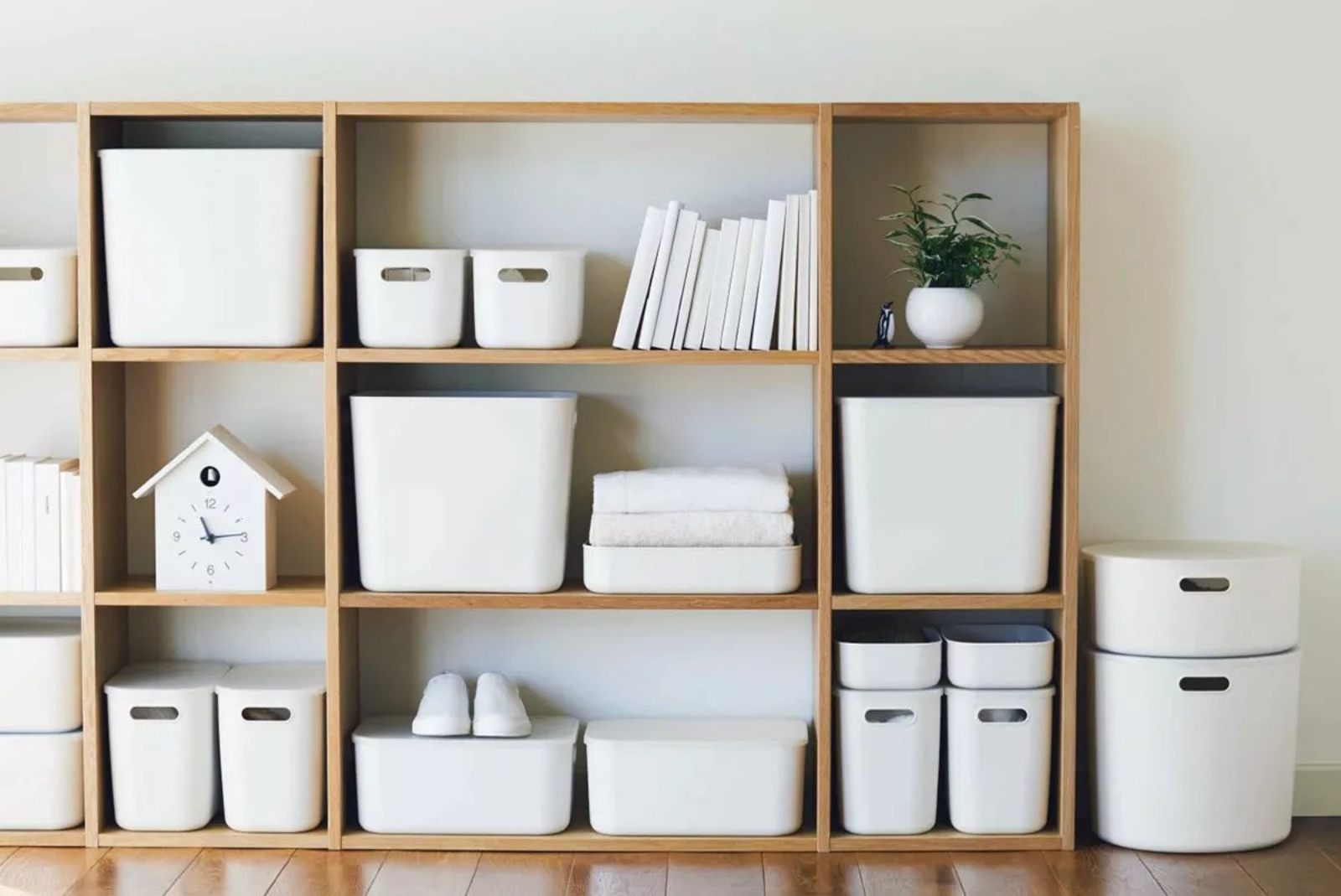
For solid wood furniture needs where affordability matters, rubber-wood offers excellent value in dining sets, bed frames, and storage solutions. These applications benefit from rubber-wood's straightforward wood characteristics and ability to accept diverse finishes while keeping high-quality construction accessible at reasonable price points.
For areas with specific environmental considerations like bathrooms or kitchens, bamboo's natural moisture resistance gives it an advantage, though all materials require appropriate sealing for these challenging environments. The right combination of material and construction technique ensures longevity even in these demanding settings.
Conclusion
The eco-friendly materials landscape continues to evolve with improved processing techniques, certification standards, and consumer awareness. As our 2025 ranking demonstrates, rattan, bamboo, and rubber-wood each offer distinct environmental advantages while serving different aesthetic and functional needs in sustainable home design.
While rattan claims our top position for its exceptional combination of low processing impact and extraordinary longevity, all three materials represent environmentally responsible choices compared to conventional alternatives. The "best" choice ultimately depends on your specific application, aesthetic preferences, and which environmental factors you personally prioritize.
When selecting sustainable furniture, look beyond the material itself to consider construction quality, appropriate certifications, and manufacturer transparency. Well-made pieces from any of these materials will outperform poorly constructed alternatives from even the "most sustainable" material category.
Smart Living's commitment to quality construction, transparent sourcing, and direct-to-consumer pricing makes these eco-friendly materials more accessible without compromising on environmental integrity. By eliminating traditional retail markups, higher-quality, longer-lasting versions of these sustainable options become available at competitive price points—the ultimate win for both personal value and ecological responsibility.
Ready to make sustainable choices for your home without compromising on style or quality? Explore Smart Living's eco-conscious collection at smart-living.asia and discover premium sustainable furniture at transparent, competitive prices.
Commentaire