Bunk vs Loft Bed: The Ultimate Space & Safety Comparison Chart
Aug 16,2025 | Smart-Living
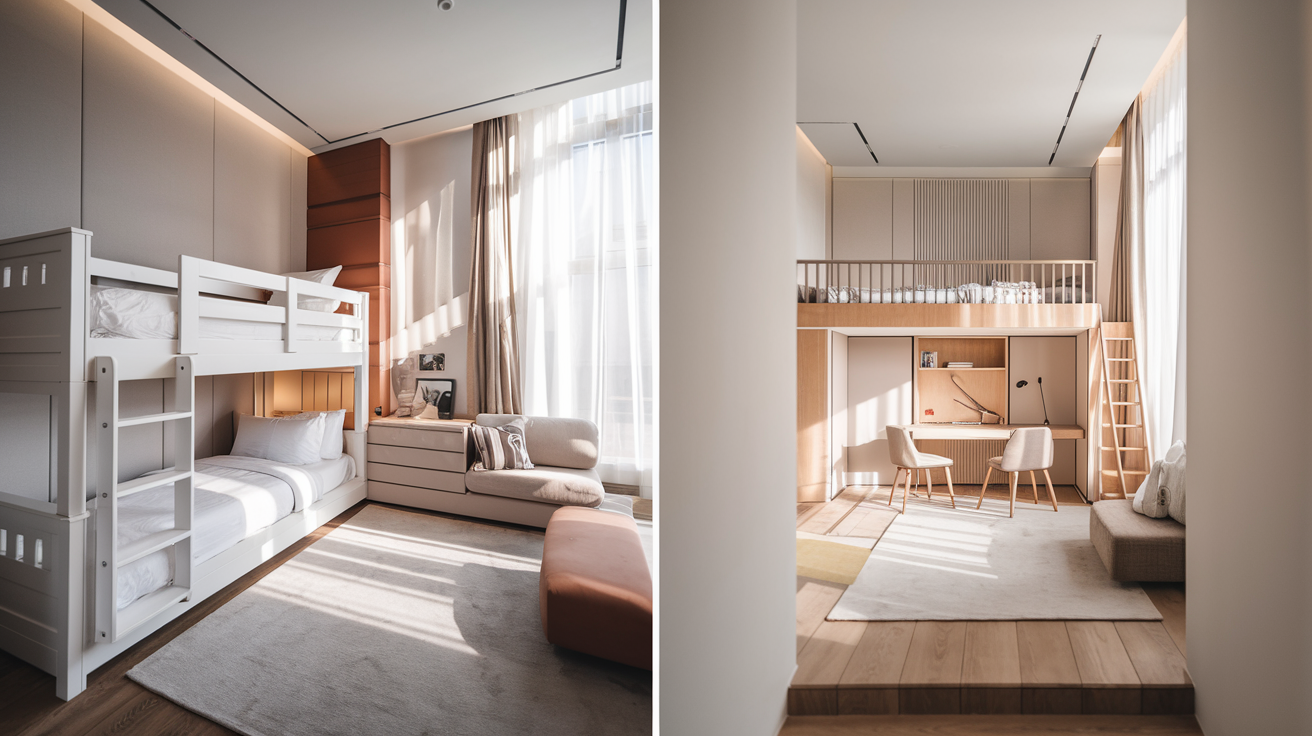
Table Of Contents
- Understanding the Basics: Bunk Beds vs. Loft Beds
- Space Efficiency Comparison
- Safety Considerations for Both Bed Types
- Comprehensive Comparison Chart: Bunk vs. Loft Beds
- Ideal Room Scenarios and Applications
- Age Appropriateness and Usage Guidelines
- Design and Aesthetics: Making the Right Choice
- Cost Considerations and Value Assessment
- Installation and Maintenance Requirements
- Conclusion: Making Your Final Decision
When maximizing bedroom space becomes a priority, two popular solutions often come to mind: bunk beds and loft beds. Both options offer clever ways to reclaim valuable floor space, but they serve different purposes and come with distinct advantages and considerations. Whether you're setting up a children's bedroom, furnishing a small apartment, or creating a multifunctional space, understanding the differences between these bed types is crucial for making an informed decision.
Choosing between a bunk bed and a loft bed involves more than just personal preference—it requires careful consideration of space requirements, safety features, functionality, and the specific needs of the users. This comprehensive guide will walk you through everything you need to know, from basic definitions to detailed comparisons of space efficiency, safety considerations, ideal usage scenarios, and more.
By the end of this article, you'll have a clear understanding of which bed type best suits your space constraints, safety requirements, and functional needs. Let's dive into the details with a side-by-side comparison that highlights the key differences between bunk beds and loft beds.
Understanding the Basics: Bunk Beds vs. Loft Beds
Before we dive into detailed comparisons, let's establish clear definitions of both bed types to ensure we're on the same page.
What Is a Bunk Bed?
A bunk bed consists of two or more bed frames stacked vertically, allowing two or more people to sleep in the same floor space that would typically accommodate only one bed. The classic bunk bed features two twin-size beds, with one positioned directly above the other, connected by a ladder for access to the top bunk. Variations include:
Twin-over-twin: The standard configuration with two identical twin beds stacked vertically.
Twin-over-full: Features a twin bed on top and a full-size bed on the bottom, providing more sleeping space for the lower bunk.
Full-over-full: Both the top and bottom bunks feature full-size mattresses, ideal for older children or adults.
Triple bunks: Three beds stacked vertically, though these require sufficient ceiling height and additional safety considerations.
What Is a Loft Bed?
A loft bed, on the other hand, features a single elevated bed frame with open space underneath that can be utilized for various purposes. Unlike bunk beds, loft beds don't include a lower bed. Instead, the space below can accommodate a desk, dresser, seating area, play space, or storage solutions. Loft beds come in different heights:
High lofts: Maximize the space underneath, typically standing 5-6 feet high, providing room for a full workstation or seating area.
Mid lofts: Offer a balance between under-bed space and ceiling clearance, usually standing 3-4 feet high.
Low lofts: Designed with younger children in mind, these beds sit closer to the ground (usually 2-3 feet) for easier access and enhanced safety.
Space Efficiency Comparison
Both bed types excel at optimizing space, but they do so in different ways and with varying degrees of efficiency depending on your specific needs.
Bunk Bed Space Efficiency
Bunk beds shine in scenarios where multiple people need sleeping accommodations in a limited space. They essentially double the sleeping capacity without increasing the footprint of a single bed. A standard twin bunk bed typically occupies about 40 square feet of floor space while providing two sleeping surfaces—a space-saving solution for:
Shared children's bedrooms where maximizing floor space for play areas is important.
Vacation homes or rental properties that need to accommodate multiple guests.
Small apartments where bedroom space is at a premium and needs to accommodate multiple family members.
However, bunk beds do have limitations in terms of alternative uses for the space. The bottom bunk remains dedicated to sleeping, which means the floor space below the top bunk cannot be repurposed for other activities.
Loft Bed Space Efficiency
Loft beds excel in multifunctional space optimization. By elevating the sleeping area, they free up the entire footprint of the bed for other purposes. A twin loft bed typically requires the same 40 square feet as a bunk bed but creates usable space underneath for:
A home office setup with a desk and chair
A cozy reading nook or lounge area
Storage solutions including dressers, bookshelves, or bins
A play area for younger children
This makes loft beds particularly valuable in studio apartments, dorm rooms, or small bedrooms where every square foot needs to serve multiple functions. The trade-off is that loft beds only provide one sleeping surface, making them less suitable for shared sleeping arrangements unless you add a separate bed, futon, or pull-out option underneath.
Safety Considerations for Both Bed Types
Safety should always be the primary concern when considering elevated sleeping arrangements. Both bunk and loft beds present similar safety challenges due to their height, but each has specific considerations worth noting.
Essential Safety Features
For any elevated bed, certain safety features are non-negotiable:
Guardrails: All sides of the upper bed that aren't against a wall should have guardrails that extend at least 5 inches above the mattress to prevent falls. The gap between the mattress and the bottom of the guardrail should be minimal to prevent entrapment.
Sturdy Ladder: The ladder should be securely attached to the bed frame, feature non-slip steps, and provide easy access to the top bed. Some designs incorporate angled ladders for easier climbing.
Solid Construction: The entire frame should be made of high-quality materials with proper support systems. Weight limits should be clearly indicated and strictly observed.
Corner Posts: These should either be flush with the structure or extend more than 3.5 inches to prevent clothing entanglement hazards.
Bunk Bed-Specific Safety Considerations
Bunk beds present unique safety challenges:
Bottom Bunk Clearance: Ensure sufficient space between the top bunk frame and the person sleeping on the bottom bunk to prevent injuries.
Double Occupancy Concerns: With two or more people using the bed simultaneously, there's increased movement that can affect stability, making structural integrity especially important.
Ceiling Fan Clearance: Ensure adequate space between the top bunk and any ceiling fans to prevent injuries.
According to the Consumer Product Safety Commission, approximately 36,000 bunk bed-related injuries are treated in emergency rooms annually, with the majority involving children under 6 years old.
Loft Bed-Specific Safety Considerations
Loft beds have their own safety challenges:
Activity Zone Safety: Since the area below is used for activities other than sleeping, ensure that furniture placed underneath cannot be used as inappropriate climbing aids to access the loft.
Ceiling Clearance: Proper clearance between the mattress and ceiling is crucial to prevent head injuries when sitting up in bed.
Desk Integration: For loft beds with integrated desks, ensure all edges are smooth and corners are rounded to prevent injuries during movement underneath.
Both bed types require regular safety checks to ensure all components remain secure, especially after moving the furniture or during seasonal changes when wood may expand or contract.
Comprehensive Comparison Chart: Bunk vs. Loft Beds
| Feature | Bunk Beds | Loft Beds |
|---|---|---|
| Primary Purpose | Maximize sleeping capacity in limited space | Create multi-functional space beneath sleeping area |
| Typical Footprint | 40-45 square feet (twin) | 40-45 square feet (twin) |
| Sleeping Capacity | 2+ people | 1 person (unless additional sleeping is added below) |
| Minimum Ceiling Height | 8 feet recommended | 8-9 feet recommended (for high lofts) |
| Recommended Age | 6+ years for top bunk | 6+ years (standard loft), 4+ for low lofts |
| Space Utilization | Bottom space used for second bed | Bottom space available for desk, storage, seating, etc. |
| Weight Capacity | Top: 150-200 lbs Bottom: 200-250 lbs | 200-300 lbs (varies by model) |
| Assembly Complexity | Moderate to High | Moderate to High |
| Primary Safety Concerns | Falls, ceiling clearance, ladder stability | Falls, furniture placement underneath, ceiling clearance |
| Price Range | $200-$1,500+ | $150-$2,000+ |
| Ideal For | Siblings sharing a room, guest rooms, vacation homes | Studio apartments, dorm rooms, small bedrooms needing workspace |
| Convertibility | Many can separate into two standalone beds | Usually cannot be repurposed as effectively |
| Mattress Requirements | Top bunk typically requires thinner mattress (≤ 6") | Requires thinner mattress (≤ 8") with proper guardrail height |
Ideal Room Scenarios and Applications
Different living situations call for different space-saving solutions. Let's explore the scenarios where each bed type truly shines.
When to Choose Bunk Beds
Shared Children's Bedrooms: The most common application for bunk beds is in rooms shared by siblings. They provide each child with their own sleeping space while maximizing floor area for play or other furniture.
Vacation Homes and Rental Properties: Bunk beds allow vacation properties to accommodate more guests in a single room, making them ideal for family getaways or rental income maximization.
Temporary Sleeping Arrangements: For homes that frequently host overnight guests but lack dedicated guest rooms, convertible or modular bunk beds can provide flexible sleeping options without permanently dedicating space.
Summer Camps and Dormitories: Institutional settings benefit from the space efficiency of bunk beds, allowing more individuals to share communal sleeping quarters.
When to Choose Loft Beds
Studio Apartments: In single-room living spaces, loft beds create distinct zones for sleeping and living without requiring separate rooms, essentially adding an extra "room" vertically.
Home Office Combinations: For remote workers in small homes, a loft bed with a desk underneath creates a dedicated workspace that doesn't consume additional square footage.
College Dorm Rooms: The classic application for loft beds, allowing students to fit desks, mini-fridges, and seating areas in typically cramped quarters.
Children's Rooms with Play Areas: For a single child, a loft bed creates a designated play zone underneath that can feature anything from a playhouse theme to storage for toys and games.
Teen Bedrooms: Adolescents appreciate the added privacy and personal space that a loft bed creates, with room for a desk, gaming setup, or lounge area underneath.
The choice ultimately depends on whether your primary need is for multiple sleeping surfaces (bunk beds) or for creating multi-purpose space (loft beds).
Age Appropriateness and Usage Guidelines
Safety organizations and manufacturers provide clear guidelines regarding the appropriate ages for different bed configurations. Following these recommendations is crucial for preventing accidents and ensuring proper use.
Bunk Bed Age Guidelines
The American Academy of Pediatrics and the Consumer Product Safety Commission recommend that children under 6 years of age should not use the upper bunk of a bunk bed. This guideline is based on developmental factors:
Motor Skills Development: Younger children may lack the coordination required to safely climb ladders and navigate the height of the top bunk.
Night Movement Awareness: Young children are more likely to roll or move during sleep without awareness of the bed's boundaries.
Emergency Response: In case of nightmares, illness, or bathroom needs, young children may attempt to descend in a half-awake state, increasing fall risks.
The bottom bunk, however, is generally suitable for children of all ages, provided the upper bunk's support structure is secure and properly maintained.
Loft Bed Age Guidelines
Standard height loft beds follow similar age guidelines as the top bunk of bunk beds—generally 6 years and older. However, specialized options exist for different age groups:
Low Loft Beds: Standing just 2-3 feet off the ground, these are suitable for children as young as 4 years old, providing some underneath space while minimizing fall risks.
Mid Loft Beds: At approximately 3-4 feet high, these are typically recommended for children 5-6 years and older.
High Loft Beds: Standing 5-6 feet or higher, these follow the 6+ years guideline and are often suitable through adolescence and into adulthood.
Regardless of age, all users should be instructed on proper ladder use, weight limitations, and appropriate behavior (no jumping, roughhousing, or hanging items from the structure).
Design and Aesthetics: Making the Right Choice
Beyond functionality, the visual impact of your chosen bed will significantly affect the room's overall feel and style. Both bunk and loft beds come in a variety of designs to complement different interior aesthetics.
Popular Bunk Bed Designs
Classic Rectangular Frames: The traditional design features straight posts and a rectangular shape, often in wood or metal construction. These timeless designs blend well with most decor styles.
House-Shaped Frames: Popular for younger children, these beds feature a pitched "roof" structure over the top bunk, creating a playhouse feel.
L-Shaped Configurations: Rather than stacking directly, these bunk beds place the lower bed perpendicular to the upper bunk, creating additional floor space and a unique visual interest.
Industrial Designs: Metal frames with clean lines and minimal ornamentation offer a contemporary look that works well in modern or industrial-style rooms.
Combination Units: These incorporate additional elements like desks, dressers, or trundle beds for added functionality and visual complexity.
Popular Loft Bed Designs
Workstation Lofts: These incorporate a desk, shelving, and sometimes drawer storage beneath the elevated bed, creating a comprehensive work-and-sleep solution.
Minimalist Frames: Clean-lined designs with simple support structures maximize the open feeling beneath while maintaining a contemporary aesthetic.
Canopy Options: Some loft beds feature fabric panels or curtains that can be drawn around the sleeping area or underneath space, adding privacy and visual softness.
Storage-Integrated Designs: These incorporate staircase access instead of ladders, with each stair doubling as a drawer or storage compartment.
Corner Lofts: Designed to fit into room corners, these maximize space efficiency in awkward room layouts while creating a cozy sleeping nook.
When selecting a design, consider how the bed will interact with existing furniture, window placements, and ceiling fixtures like lights or fans. The most successful design choices complement the room's overall purpose while providing the specific functionality you need.
Cost Considerations and Value Assessment
When evaluating the investment in either bed type, it's important to consider both upfront costs and long-term value. The price range for both bunk and loft beds varies widely based on materials, construction quality, additional features, and brand reputation.
Bunk Bed Pricing Factors
Entry-Level Options ($200-$500): Basic metal or softwood constructions with fundamental safety features and standard twin-over-twin configurations. These typically offer functional value but may lack durability for long-term use.
Mid-Range Options ($500-$1,000): Sturdier construction with hardwood components, better finishing, and potentially additional features like built-in storage or more elaborate safety systems. These beds offer a good balance of quality and value.
Premium Options ($1,000-$3,000+): High-end materials like solid hardwoods, custom designs, specialty configurations, and integrated features such as desks, dressers, or trundle beds. These represent a significant investment but offer superior durability and versatility.
Remember that purchasing a bunk bed means acquiring two complete sleeping surfaces, making the per-bed cost more economical than buying two separate beds of comparable quality.
Loft Bed Pricing Factors
Basic Models ($150-$400): Simple metal or composite wood frames with standard safety features and ladders. These provide the fundamental elevated sleeping space but may lack integrated features.
Mid-Level Options ($400-$800): Enhanced stability, better materials, and often some integrated functionality like a desk, shelving, or storage components. These represent the most popular price point for value-conscious consumers.
Premium Designs ($800-$2,000+): Comprehensive systems that may include full workstations, custom dimensions, premium materials, and specialized features like integrated lighting or modular components. These are essentially furniture systems rather than just beds.
The true value assessment should consider not just the bed itself but the furniture it potentially replaces or eliminates the need for. A loft bed with an integrated desk, for example, should be compared against the combined cost of a standard bed plus a separate desk.
At Smart Living, we focus on delivering premium quality at transparent prices by working directly with manufacturers. This allows us to offer beds in all categories at competitive prices without sacrificing quality or safety features, making it possible to find the right solution for your space without unnecessary markups.
Installation and Maintenance Requirements
The long-term success of either bed type depends significantly on proper installation and ongoing maintenance. Understanding these requirements before purchase can help ensure safety and longevity.
Installation Considerations
Assembly Complexity: Both bed types typically require significant assembly, with many components and fasteners. Plan for 2-4 hours of assembly time with at least two adults, regardless of which type you choose.
Tool Requirements: Basic tools like screwdrivers, Allen wrenches (often included), and a hammer are typically needed. Electric drills can speed up the process but require careful use to avoid over-tightening.
Space Needs: You'll need clear floor space larger than the bed's footprint during assembly. For rooms with limited space, consider assembling major components in a larger area before moving them to the final location.
Wall Anchoring: Many loft and bunk bed designs require secure anchoring to wall studs for maximum stability. This is especially important for taller models or those used by active sleepers.
Professional Options: For complex models or those with electrical components (integrated lighting, etc.), professional installation services may be worth considering despite the added cost.
Ongoing Maintenance
Regular Inspections: Check all fasteners and connection points every 3-6 months, as normal use can cause gradual loosening. Pay special attention to ladder attachments and guardrail connections.
Weight Limit Adherence: Consistently monitor and enforce the manufacturer's stated weight limits. Exceeding these limits can compromise structural integrity over time, even if immediate failure doesn't occur.
Mattress Maintenance: Rotate mattresses periodically to ensure even wear. For bunk beds, this means swapping top and bottom mattresses occasionally if they're the same size.
Cleaning Considerations: The elevated nature of these beds makes changing linens and cleaning more challenging. Factor in this increased difficulty when establishing cleaning routines.
Structural Adjustments: As wooden components age, they may expand or contract with humidity changes. Periodic tightening of connectors can prevent squeaking and maintain structural integrity.
By understanding and planning for these installation and maintenance requirements, you can maximize the lifespan of your investment and ensure ongoing safety for all users.
Explore our collection of space-saving bedroom solutions at Smart Living's collection, where we offer detailed installation guides and maintenance tips with every purchase.
Conclusion: Making Your Final Decision
Choosing between a bunk bed and a loft bed ultimately comes down to your specific needs, space constraints, and how you plan to use the room. Here's a summary of the key factors to consider in your decision-making process:
Choose a bunk bed if:
- You need to accommodate two or more sleepers in a shared space
- You're furnishing a children's bedroom shared by siblings
- You want flexibility to separate into two individual beds in the future
- You prioritize maximizing sleeping capacity over creating multi-functional space
Choose a loft bed if:
- You need to create a workspace, study area, or storage zone in a limited space
- You're furnishing a studio apartment or small bedroom
- You're setting up a single-occupant room that needs to serve multiple purposes
- You want to maximize the functionality of every square foot in the room
Remember that safety should always be your primary consideration, regardless of which option you choose. Ensure that the bed meets current safety standards, is appropriate for the age of the user, and is properly installed and maintained.
The right choice will not only optimize your available space but also enhance the functionality and comfort of your living environment. By carefully considering the comparisons and guidelines outlined in this article, you can make an informed decision that best serves your specific needs.
Find Your Perfect Space-Saving Solution
Ready to transform your space with the perfect bed solution? At Smart Living, we offer premium quality bunk and loft beds at transparent prices by working directly with manufacturers. Browse our collection to find the ideal space-saving solution for your home.
Explore our other smart home solutions:
Commentaire