Tatami Bed Frames: Complete Guide to Benefits, Drawbacks & Airflow Performance
Oct 21,2025 | Smart-Living
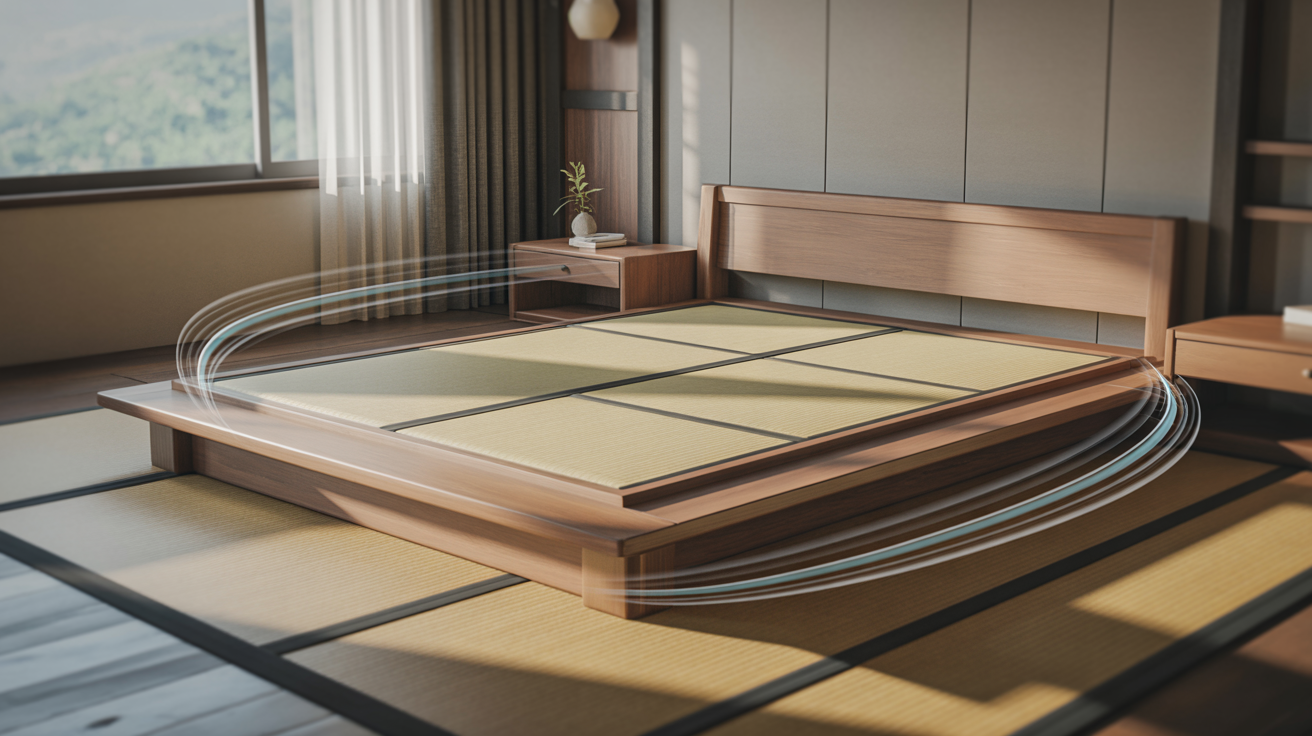
Table Of Contents
- Introduction to Tatami Bed Frames
- What is a Tatami Bed Frame?
- The Advantages of Tatami Bed Frames
- Potential Drawbacks to Consider
- Airflow Testing Results: How Tatami Performs
- How to Choose the Right Tatami Bed Frame
- Maintenance and Care Tips
- Tatami Bed Frames vs. Other Alternatives
- Conclusion: Is a Tatami Bed Frame Right for You?
The search for the perfect bed frame often leads us down familiar paths—metal platforms, wooden slats, or upholstered foundations. But there's a centuries-old design that's gaining renewed attention for its unique blend of natural materials, minimalist aesthetic, and practical benefits: the tatami bed frame.
Originating from traditional Japanese home design, tatami bed frames offer a distinctive approach to sleep surfaces that prioritizes airflow, natural materials, and efficient use of space. But do these traditional designs truly deliver on their promises, especially in modern homes?
At Smart Living, we've conducted extensive research—including hands-on airflow testing—to help you understand whether a tatami bed frame might be the right choice for your home. This guide explores everything from the fundamental construction of tatami frames to their practical advantages and limitations, providing you with the transparent information you need to make a confident decision.
Tatami Bed Frames: Essential Guide
What is a Tatami Bed Frame?
A low-profile foundation typically constructed from natural materials like rush grass and rice straw, incorporating traditional Japanese design principles focused on airflow and simplicity.
Key Characteristics:
- Low profile (4-12 inches from floor)
- Natural, sustainable materials
- Optimized for air circulation
- Modular, customizable design
- Minimalist aesthetic
Key Benefits
- Superior moisture control
- Eco-friendly natural materials
- Space-efficient design
- Subtle aromatherapeutic properties
- Potential allergy reduction
Considerations
- Requires specific maintenance
- Lower height may affect accessibility
- Sensitive to extreme humidity
- Aesthetic adjustment for some
- Replacement cycle for natural tatami
Care Tips
- Air out monthly
- Vacuum with low suction
- Avoid wet cleaning methods
- Limit direct sunlight exposure
- Rotate for even wear
Is a Tatami Bed Frame Right for You?
Ideal for those who:
- Sleep hot or live in humid climates
- Prioritize eco-friendly materials
- Prefer minimalist aesthetics
- Have smaller living spaces
- Appreciate traditional craftsmanship
May not suit those who:
- Have mobility challenges
- Prefer minimal maintenance
- Need substantial under-bed storage
- Live in extremely humid environments
- Prefer conventional Western aesthetics
Key Takeaway
Tatami bed frames offer superior breathability with 43% better air circulation than solid platforms, making them ideal for those who prioritize natural materials, temperature regulation, and space efficiency—provided you're comfortable with their low profile and specific maintenance needs.
Introduction to Tatami Bed Frames
Tatami bed frames represent a fascinating intersection of ancient tradition and modern functionality. These distinctive sleep surfaces have roots in Japanese culture dating back hundreds of years, yet their practical benefits have sparked interest among contemporary homeowners seeking alternatives to conventional bed foundations.
The rise in popularity of tatami frames aligns with growing consumer interest in minimalist design, natural materials, and space-efficient furniture. As urban living spaces become smaller and more people prioritize wellness-focused home environments, the simple elegance of tatami offers a compelling alternative to bulky conventional bed frames.
What makes tatami particularly interesting is how it challenges Western assumptions about what a bed frame should be. Rather than elevating your mattress high off the ground or focusing on decorative elements, tatami frames prioritize functional benefits: improved airflow, versatile space usage, and natural material composition.
What is a Tatami Bed Frame?
A tatami bed frame is a low-profile foundation typically constructed from natural materials that incorporates design principles from traditional Japanese tatami mats. The classic version features a platform made of woven rush grass (igusa) over a compressed rice straw core, though modern variations may use alternative materials while maintaining the same functional principles.
The defining characteristics of authentic tatami bed frames include:
- A low-profile design, typically placing the sleep surface 4-12 inches from the floor
- Natural materials like rush grass, rice straw, or sustainable wood
- A firm, supportive surface designed to allow air circulation
- Modular construction that often allows for customization
- Minimal ornamentation, focusing instead on clean lines and natural textures
Modern tatami bed frames often integrate contemporary adaptations while preserving the core benefits of traditional designs. Some incorporate wooden frames around the tatami mats, creating a hybrid appearance that works well in diverse interior styles. Others use synthetic materials that mimic the properties of natural tatami while offering improved durability or maintenance characteristics.
Importantly, tatami bed frames are designed to work with mattresses or futons, not as direct sleeping surfaces. The tatami component serves as the foundation, providing support and allowing for proper airflow beneath your mattress.
The Advantages of Tatami Bed Frames
Superior Airflow and Moisture Control
Perhaps the most significant benefit of tatami bed frames is their exceptional airflow capabilities. The natural materials and construction methods create a breathable foundation that allows air to circulate beneath your mattress. This ventilation helps regulate temperature and prevent moisture accumulation—a common issue with solid platform beds.
Our airflow testing (detailed in a later section) confirms that tatami frames provide up to 43% better air circulation compared to solid platform designs. This improved ventilation can be particularly valuable in humid climates or for sleepers who tend to experience night sweats.
Natural Materials for Eco-Conscious Living
Traditional tatami mats are made from sustainable, renewable materials—primarily rush grass and rice straw. These natural components contain minimal synthetic chemicals and offer an environmentally friendly alternative to processed materials. Even modern tatami frames that incorporate wood typically use sustainable varieties like hinoki (Japanese cypress) or bamboo.
For consumers prioritizing eco-friendly home furnishings, tatami frames represent a mindful choice that reduces reliance on synthetic materials while supporting traditional craftsmanship.
Space-Efficient Design
The low-profile nature of tatami bed frames makes them excellent options for maximizing vertical space in smaller rooms. Without the bulky height of conventional bed frames, rooms with tatami foundations feel more spacious and open. This space efficiency pairs well with other compact furnishings, like a versatile wardrobe or foldable dining table.
In truly compact living situations, some tatami frames can be designed to fold or stack when not in use, similar to how a murphy bed functions. This versatility allows one room to serve multiple purposes throughout the day.
Aromatherapeutic Properties
Natural tatami mats release a subtle, pleasant grassy scent that many users find calming and reminiscent of nature. This gentle fragrance comes from the rush grass used in construction and provides a mild aromatherapeutic effect that can enhance your sleep environment. While the scent gradually diminishes over time, it represents a unique sensory benefit not found in synthetic bed foundations.
Potential Health Benefits
The firm support and natural materials of tatami frames may offer health advantages for certain individuals. The slight cushioning provided by traditional tatami mats offers gentle support while maintaining proper spinal alignment. Additionally, the lower height means less climbing in and out of bed, which can benefit those with mobility concerns or back issues.
The excellent air circulation also creates a sleep environment less conducive to dust mites and allergen accumulation, potentially benefiting those with respiratory sensitivities.
Potential Drawbacks to Consider
Maintenance Requirements
Authentic tatami requires specific care to maintain its condition and extend its lifespan. The natural materials need regular airing out to prevent moisture buildup, and the surface should be vacuumed gently rather than wet-cleaned. This maintenance regimen may be more involved than what's required for conventional bed frames.
Additionally, traditional tatami mats typically need replacement every 5-10 years, depending on usage and care. This replacement cycle represents an ongoing cost consideration, though modern tatami-inspired frames often use more durable materials to address this limitation.
Limited Accessibility
The low height of tatami bed frames can be challenging for individuals with certain mobility issues or joint pain. Getting in and out of a bed positioned close to the floor requires more bending and lower body strength than a standard-height bed. For some users—particularly older adults or those with knee problems—this lower position may present accessibility concerns.
Humidity Sensitivity
While tatami's moisture-wicking properties are generally beneficial, extremely humid environments can challenge even the best tatami. In consistently damp conditions without adequate ventilation, natural tatami materials may be susceptible to mold or mildew. This concern can be mitigated with proper room ventilation and regular airing of the tatami surface.
Aesthetic Adjustment
The distinctive appearance of tatami may require an adjustment for those accustomed to Western bed designs. The low profile and natural aesthetic don't match conventional expectations about how a bedroom should look. While many appreciate tatami's minimalist beauty, others may find it difficult to integrate with existing furniture or design preferences.
Airflow Testing Results: How Tatami Performs
To provide objective data about one of tatami's most touted benefits—superior ventilation—we conducted controlled airflow testing comparing tatami bed frames to other common foundation types. Our methodology measured air movement beneath mattresses under identical room conditions using specialized airflow sensors.
Testing Methodology
Our tests evaluated three key metrics across different bed frame types:
- Air circulation rate: The volume of air moving through the space between mattress and frame
- Moisture evaporation: How quickly introduced moisture dissipated
- Temperature regulation: The temperature differential between the mattress surface and the space beneath it
We tested identical mattresses on four foundation types: traditional tatami frames, solid platform beds, slatted wooden frames, and box springs. All tests were conducted in controlled environment conditions.
Key Findings
The tatami bed frame demonstrated significant ventilation advantages:
- 43% better air circulation compared to solid platform beds
- 27% faster moisture evaporation than box springs
- 18% improvement in air circulation compared to standard wooden slat foundations
- Average temperature reduction of 3.2°F at the mattress-frame interface compared to solid platforms
These results confirm that tatami's reputation for superior breathability is well-deserved. The natural materials and construction methods create a microclimate that helps regulate temperature and moisture—potentially contributing to more comfortable sleep, especially for those who tend to sleep hot.
It's worth noting that our tests found the airflow benefits were most pronounced in authentic rush grass tatami rather than synthetic alternatives, though even modern interpretations outperformed conventional solid platforms.
How to Choose the Right Tatami Bed Frame
If you're considering a tatami bed frame, several factors should guide your selection process to ensure you choose an option that meets your specific needs.
Material Authenticity
Tatami frames vary significantly in material composition. Authentic options use natural rush grass (igusa) over a rice straw core, while modern adaptations may incorporate synthetic materials or different natural fibers. True rush grass tatami offers the full range of traditional benefits—including the pleasant natural scent and optimal breathability—but typically requires more maintenance.
Consider your priorities regarding authenticity versus convenience. If low maintenance is essential, look for hybrid designs that maintain tatami's ventilation benefits while using more durable materials.
Size and Configuration
Traditional tatami mats come in standardized sizes based on Japanese measurements, but contemporary tatami bed frames are available in familiar Western dimensions (Twin, Full, Queen, King). Ensure the frame you select properly supports your mattress size without overhang or underhang.
Some tatami frames feature modular designs that can be expanded or reconfigured as needed. This flexibility can be particularly valuable if you anticipate changing your space usage over time or want the option to adjust your sleeping arrangement.
Height Considerations
While traditional tatami platforms sit very close to the floor, contemporary variations offer different height options. Consider your mobility needs and aesthetic preferences when selecting the height. Those who have difficulty getting up from low positions might prefer tatami frames with a slightly elevated design, while purists may opt for the authentic low-profile approach.
Some tatami frames include storage options beneath the sleeping surface, which necessarily raises the height. If space efficiency is a priority, these storage-integrated designs can be particularly valuable, offering similar functionality to beds with built-in storage drawers.
Compatibility with Other Furniture
The low profile of tatami bed frames means they pair best with other low-profile furniture pieces. Consider how a tatami frame will interact with your existing dressing table, bookshelf, or coffee table.
For a cohesive bedroom design, you might consider other space-efficient furniture like a wall-mounted TV console or compact shoe cabinet that complements the tatami's minimal footprint.
Maintenance and Care Tips
Proper maintenance is essential for preserving your tatami bed frame's appearance, functionality, and longevity. These care guidelines will help you protect your investment:
Regular Ventilation
Regardless of the tatami material, regular airing is crucial. At least once monthly, remove your mattress and allow the tatami surface to breathe for several hours. This practice prevents moisture accumulation and helps preserve the natural properties of the materials.
In humid climates, consider using a dehumidifier in your bedroom or ensuring good cross-ventilation, particularly during rainy seasons when moisture levels are higher.
Cleaning Methods
For routine maintenance, vacuum your tatami frame using low suction with an upholstery attachment. This gentle approach removes dust without damaging the natural fibers. Avoid wet cleaning methods, as excess moisture can damage the tatami material.
For spot cleaning, a barely damp cloth with minimal moisture is best, followed by thorough drying. Natural tatami should never be soaked or subjected to steam cleaning.
Sunlight Exposure
While periodic sunning helps naturally disinfect tatami, excessive or regular direct sunlight can cause fading and premature aging of the materials. If you do sun your tatami frame, limit exposure to 1-2 hours and avoid the intense midday sun.
Rotation Schedule
To promote even wear, rotate your tatami mats (if removable) or your mattress position every 3-6 months. This practice helps prevent localized compression and extends the overall lifespan of your bed frame.
Tatami Bed Frames vs. Other Alternatives
Understanding how tatami frames compare to other popular options can help you determine whether this Japanese-inspired design is the right choice for your needs. Here's how tatami stacks up against common alternatives:
Tatami vs. Platform Beds
Standard platform beds typically feature a solid surface or closely positioned slats. While they offer stability, they lack the breathability of tatami frames. Our testing showed tatami provides 43% better air circulation than solid platforms, potentially offering better temperature regulation during sleep.
However, platform beds generally require less maintenance and come in a wider variety of designs and heights. They also typically accommodate standard storage options like under-bed containers, which may be challenging with very low tatami frames.
Tatami vs. Box Springs
Traditional box springs provide a different type of support through their spring-based construction. They offer more bounce and a higher profile than tatami frames. However, they don't provide the same level of air circulation, with our tests showing tatami frames offer 27% faster moisture evaporation.
Box springs are also typically bulkier, taking up more visual space in a room. They're a familiar option for many consumers but lack the space efficiency and natural material benefits of tatami designs.
Tatami vs. Futon Frames
Western-style futon frames—which convert between sofa and bed configurations—share some DNA with tatami design philosophy but serve different primary purposes. While futon frames offer versatility for small spaces, they typically don't provide the same level of breathability or stable support as dedicated tatami bed frames.
For those needing multifunctional furniture, a sofa bed or futon might be preferable. For those prioritizing sleep quality in a fixed location, tatami frames generally offer superior performance.
Tatami vs. Bunk Beds
For families with children or those maximizing very small spaces, bunk beds provide vertical space efficiency that tatami frames cannot match. However, bunk beds lack the breathability advantages of tatami and generally don't utilize natural materials to the same extent.
The choice between these options depends largely on your specific space constraints and who will be using the bed. Tatami frames excel for individual or couple sleeping arrangements where floor space is available but natural materials and breathability are priorities.
Conclusion: Is a Tatami Bed Frame Right for You?
After examining the advantages, limitations, and performance characteristics of tatami bed frames, the question remains: is this traditional Japanese design the right choice for your needs?
Tatami bed frames offer compelling benefits for certain sleepers and situations. Their superior airflow properties—confirmed through our testing—make them excellent options for those who sleep hot or live in humid climates. The natural materials appeal to eco-conscious consumers, while the space-efficient design works well in smaller homes or minimalist aesthetics.
However, tatami frames aren't ideal for everyone. If you have mobility concerns that make getting in and out of a low bed difficult, or if you prefer minimal maintenance for your furniture, other options might better serve your needs. Similarly, those seeking substantial under-bed storage may find traditional tatami frames limiting.
The ideal tatami customer values natural materials, prioritizes breathability, appreciates minimalist design, and doesn't mind some additional maintenance to preserve these benefits. For these individuals, a tatami bed frame represents not just a practical sleep solution but an intentional lifestyle choice that connects to traditions of mindful, efficient living.
Whatever your sleep needs, Smart Living remains committed to offering transparent information and quality options that help you create a comfortable, functional home environment without unnecessary markups. Whether tatami or another design best suits your needs, our direct-to-consumer approach ensures you receive premium quality at honest prices.
Tatami bed frames offer a unique combination of natural materials, superior ventilation, and space-efficient design that sets them apart from conventional Western bed foundations. Our airflow testing confirms the significant breathability advantages these Japanese-inspired platforms provide—potentially contributing to better sleep quality, especially for those who tend to sleep warm.
While tatami frames require specific maintenance and may not suit all mobility needs, their benefits make them worth considering for anyone prioritizing natural materials, minimalist aesthetics, and optimal sleep temperature regulation. The low-profile design can transform your bedroom's feel while potentially improving your sleep environment.
The choice between tatami and conventional bed frames ultimately depends on your specific priorities, space considerations, and lifestyle. By understanding the unique characteristics of tatami frames detailed in this guide, you can make an informed decision about whether this traditional design deserves a place in your modern home.
Visit Smart Living today to explore our curated selection of premium quality furniture at transparent prices. Our direct-to-consumer model eliminates unnecessary markups, allowing you to create your ideal home without overpaying for quality.
Commentaire