
Voice-Controlled Beds & Desks: Revolutionary Tools or Expensive Gimmicks?
Aug 22,2025 | Smart-Living
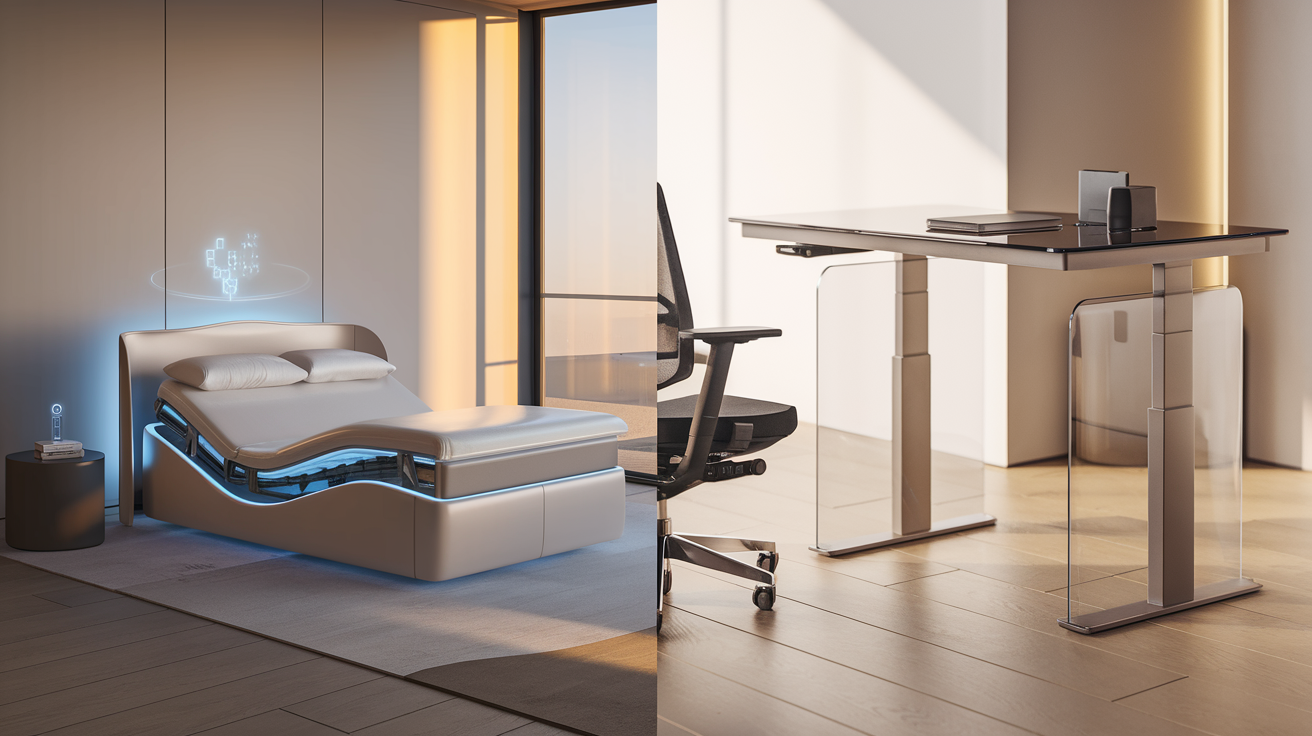
Table Of Contents
The modern smart home has evolved from simple clap-on lights to sophisticated ecosystems where virtually every device can respond to your voice. As this technology expands beyond speakers and thermostats, furniture manufacturers have joined the revolution, introducing voice-controlled beds and desks that promise to transform our sleeping and working environments.
But as with any emerging technology, a crucial question arises: Are these voice-responsive furniture pieces genuinely practical tools that enhance our daily lives, or are they expensive gimmicks with limited real-world utility? The answer isn't straightforward and depends largely on individual needs, preferences, and circumstances.
In this comprehensive guide, we'll examine the functionality, benefits, and limitations of voice-controlled furniture, helping you determine whether these innovative pieces deserve a place in your smart home or office setup. We'll explore who stands to benefit most from these technologies, analyze potential drawbacks, and provide guidance on making informed purchasing decisions that align with both your lifestyle and budget.
Voice-Controlled Furniture:
Revolutionary Tools or Expensive Gimmicks?
A Smart Living Guide to Making Informed Decisions
Voice-controlled beds and desks promise to transform our living and working spaces—but do they deliver practical value or just an expensive novelty? Here's what you need to know before investing.
Key Benefits of Voice-Controlled Furniture
Enhanced Accessibility
Provides independence for those with mobility limitations, arthritis, or during recovery from injuries.
Seamless Convenience
Hands-free adjustments when your hands are full, during tasks, or without disrupting your workflow.
Wellness Integration
Encourages healthier habits through automated position changes and integration with smart home systems.
Potential Limitations
Price Premium
30-50% higher cost than manual alternatives, plus potential costs for compatible voice assistants.
Reliability Issues
Voice recognition challenges with background noise or accents; Wi-Fi dependency can cause functionality issues.
Privacy Concerns
Always-listening microphones in private spaces raise data security and recording questions.
Future-Proofing Concerns
Evolving technology may lead to compatibility issues as voice assistants and standards change.
Who Benefits Most?
Ideal For:
- People with mobility limitations or disabilities
- Multi-taskers who frequently need position changes
- Tech enthusiasts building integrated smart homes
- Elderly users seeking enhanced independence
Less Suitable For:
- Budget-conscious consumers without specific needs
- Those highly concerned about privacy
- Users in homes with unreliable Wi-Fi
- People who rarely adjust their furniture positions
Smart Buying Guide
Check ecosystem compatibility — Ensure furniture works with your existing voice assistants and smart home platform.
Test command naturalness — Look for furniture that accepts conversational language rather than specific phrases.
Verify backup controls — Ensure manual controls or app alternatives exist for when voice systems aren't available.
Research update policies — Choose manufacturers committed to software updates and long-term support.
The Verdict
Voice-controlled furniture isn't inherently practical or gimmicky—its value depends entirely on your specific needs, lifestyle, and budget. For those with accessibility needs or smart home integration plans, the benefits likely justify the cost.
As technology improves and prices decrease, voice control will likely become a standard feature in premium furniture, making today's investment more accessible for everyone tomorrow.
Explore Smart Living's collection of premium smart furniture at transparent, competitive prices.
What Are Voice-Controlled Beds and Desks?
Voice-controlled furniture represents the next frontier in smart home and office integration. These innovative pieces combine traditional furniture functionality with advanced technology that responds to vocal commands, eliminating the need for manual adjustments or remote controls.
Voice-controlled beds typically feature adjustable frames that can raise or lower different sections in response to spoken commands. Users can adjust the head and foot positions, activate massage functions, or even control under-bed lighting through voice assistants like Amazon Alexa, Google Assistant, or Apple HomeKit. Some advanced models include sleep tracking capabilities, temperature regulation, and integration with other smart home systems like lighting or security.
Similarly, voice-controlled desks allow users to adjust height settings with simple commands, transitioning between sitting and standing positions without manual intervention. Many models store multiple height presets and can be programmed to adjust automatically at scheduled intervals, encouraging healthy movement throughout the workday. Integration with productivity apps and other smart office devices creates a cohesive ecosystem that responds to your voice.
These furniture pieces typically connect to your home's Wi-Fi network and require a compatible voice assistant device or smartphone app to function. The sophistication of voice control systems varies widely between manufacturers, with premium models offering more natural language processing and a broader range of command options.
The Practical Benefits
Voice-controlled furniture offers several tangible advantages that extend beyond novelty, potentially justifying the investment for many users. The benefits range from enhanced accessibility to improved wellness and productivity.
Accessibility Advantages
Perhaps the most compelling case for voice-controlled furniture comes from an accessibility standpoint. For individuals with mobility limitations, chronic pain conditions, or disabilities, voice control transforms furniture from challenging obstacles into accommodating tools.
Consider someone with arthritis who struggles with the manual controls of an adjustable bed, or a person with limited mobility who finds it difficult to bend down and press buttons on a standing desk. Voice commands eliminate these physical demands, enabling users to make adjustments without pain or assistance. This technology can be genuinely liberating, promoting independence and reducing reliance on caregivers for routine position changes.
For those recovering from surgery or injury, voice-controlled furniture can be particularly valuable during the healing process, allowing position adjustments without risking strain or setbacks. The technology effectively removes barriers that traditional furniture might present to users with diverse abilities and needs.
Convenience Factors
Beyond accessibility, voice-controlled furniture offers meaningful convenience that can enhance everyday experiences. Imagine adjusting your bed without searching for a remote in the dark, or changing your desk position while on a conference call without interrupting your workflow.
This hands-free functionality proves particularly useful in specific scenarios: when your hands are full, when you're physically comfortable and don't want to move, or when you're engaged in activities that would be disrupted by manual adjustments. Parents holding sleeping children, individuals working with messy materials, or someone deeply focused on work can all benefit from the ability to adjust their environment without physical interaction.
Many voice-controlled furniture systems can also be integrated into routines and scenarios. You might create a "movie night" command that adjusts your bed to the perfect viewing position while simultaneously dimming the lights, or a "focus time" command that raises your desk to standing height and adjusts nearby lighting for optimal productivity. These integrated experiences represent a level of convenience that button-controlled furniture simply cannot match.
Productivity and Wellness Improvements
Voice-controlled furniture can significantly contribute to better health habits and increased productivity. Standing desks, for instance, deliver health benefits only when regularly alternated between sitting and standing positions—something many users fail to do consistently with manual controls. Voice commands reduce this friction, making healthy position changes more likely throughout the day.
Similarly, adjustable beds can promote better sleep positioning for various health conditions, but only if users actually make the adjustments. Voice control removes barriers to these beneficial changes, potentially improving sleep quality and reducing pain. Some advanced models even respond to commands like "help with snoring" by automatically adjusting to positions that may reduce sleep apnea symptoms.
The integration capabilities of voice-controlled furniture also enable wellness routines that would be cumbersome to maintain manually. A desk might be programmed to respond to a "break time" command by moving to standing height and triggering a five-minute stretch routine on a connected display, or a bed might automatically adjust to relieve pressure points when you mention discomfort.
These wellness and productivity benefits become particularly valuable in smart office environments where ergonomic adjustments can significantly impact comfort and output over long workdays.
Potential Drawbacks
While voice-controlled furniture offers compelling benefits, several limitations and concerns merit consideration before investing in these technologies. Understanding these potential drawbacks helps consumers make informed decisions about whether the functionality justifies the cost and compromises.
Cost Considerations
The most immediate barrier for many consumers is price. Voice-controlled furniture typically commands a significant premium over comparable manually-adjusted models. High-end voice-controlled adjustable beds can cost thousands of dollars more than their remote-controlled counterparts, while voice-responsive standing desks may be priced 30-50% higher than button-operated versions.
This price differential raises valid questions about value. For users without accessibility needs, does the convenience of voice control justify spending considerably more? The answer depends largely on individual circumstances and how frequently the voice features would actually be utilized in daily life.
Additionally, these systems often require compatible voice assistants or hubs that may represent additional costs if not already part of your smart home ecosystem. When evaluating voice-controlled furniture, it's essential to consider the total investment required, including any necessary accessories or subscription services.
Companies like Smart Living have begun addressing this concern by offering premium voice-controlled furniture at more competitive prices through their direct-to-consumer model, eliminating traditional retail markups while maintaining quality. This approach has made the technology more accessible to consumers who might otherwise find the cost prohibitive.
Technology Reliability
Voice recognition technology, while continuously improving, still presents occasional challenges that can affect user experience. Background noise, accents, soft voices, and complex commands can all reduce response accuracy. These limitations may prove particularly frustrating when you're trying to make quick adjustments to your bed or desk.
Connectivity issues present another potential pain point. Voice-controlled furniture typically relies on Wi-Fi connections and cloud services. Network outages, server problems, or router issues can temporarily render voice functionality inoperative. While most models include backup manual controls, having to resort to these during connectivity problems undermines the primary benefit of voice control.
Additionally, the technology landscape is constantly evolving. Voice assistants and their compatibility standards change regularly, potentially leading to future support issues. A voice-controlled bed purchased today might not work optimally with next-generation assistants or may require updates that eventually cease to be available as manufacturers focus on newer models.
Privacy Concerns
As with all voice-activated technologies, privacy considerations deserve serious attention. Voice assistants require constant listening to detect wake words, raising questions about what information is being recorded and stored. While manufacturers implement various privacy protections, the reality remains that microphones in your bedroom or office are constantly processing audio.
This concern becomes particularly relevant for furniture used in private spaces like bedrooms. Some users may feel uncomfortable with the idea of speech recognition systems potentially capturing sensitive conversations or intimate moments. Others may worry about data security and how their usage patterns and voice commands might be utilized by manufacturers or third parties.
Different brands and models offer varying levels of privacy protection and transparency. Some systems process voice commands locally without cloud transmission, while others send all data to remote servers. Understanding these distinctions is crucial when evaluating whether voice-controlled furniture aligns with your personal privacy preferences.
Real-World Applications
To truly assess whether voice-controlled furniture is practical or merely gimmicky, it's helpful to examine specific scenarios where the technology provides meaningful benefits in everyday life.
For professionals working from home, voice-controlled desks can transform productivity routines. A marketing executive participating in back-to-back video meetings can seamlessly transition between sitting and standing positions without disrupting calls. The ability to make these adjustments hands-free ensures they maintain healthy movement throughout the day despite a packed schedule. This represents practical utility that directly enhances work performance and physical wellbeing.
In bedroom settings, voice-controlled beds demonstrate particular value for couples with different preferences. Rather than disturbing a partner by reaching for controls, a simple whispered command can adjust your side of the bed. For individuals who read or watch TV in bed, voice commands enable position optimization without losing your place or setting aside devices. These quality-of-life improvements, while subtle, accumulate to create a significantly enhanced user experience.
The smart home integration capabilities further amplify practical benefits. A voice-controlled bed that communicates with your thermostat, lighting, and security system creates unified experiences that manual furniture cannot match. Issuing a single "goodnight" command that adjusts your bed to sleep position, dims lights, lowers temperature, and activates security systems demonstrates how voice control transforms furniture from isolated pieces into central components of a cohesive smart home ecosystem.
For elderly users, the practical applications become even more pronounced. Voice-controlled furniture can extend independence and reduce fall risks by eliminating the need to bend, stretch, or search for controls. This application transcends convenience, potentially allowing seniors to maintain autonomy and remain in their homes longer than might otherwise be possible.
How to Choose Voice-Controlled Furniture
If you've determined that voice-controlled furniture might offer practical benefits for your situation, several key considerations should guide your selection process. Making an informed choice ensures you invest in technology that delivers genuine value rather than disappointing novelty.
First, assess compatibility with your existing smart home ecosystem. A voice-controlled desk that works flawlessly with Google Assistant offers little value if your home runs exclusively on Amazon Alexa. Look for furniture that integrates seamlessly with the voice assistants and smart home platforms you already use. This integration should extend beyond basic commands to include routines, scenes, and interconnectivity with other devices.
Evaluate the range and naturalness of voice commands supported. Superior voice-controlled furniture recognizes conversational language rather than requiring specific command phrases. Test whether you can say "I'm tired" to recline your bed rather than needing to state "Adjust bed to sleep position." The more intuitive the command structure, the more likely you are to use the voice features consistently.
Reliability should be a primary consideration. Research user reviews focusing specifically on voice control performance in real-world conditions. How does the furniture respond when multiple people are talking in the room? Does it work consistently across different times of day and environmental conditions? Furniture with spotty voice recognition will quickly become frustrating regardless of its other features.
Examine backup control options carefully. Even the best voice systems occasionally fail due to network issues or service outages. Ensure your furniture includes accessible manual controls or smartphone app alternatives that can function independently of voice systems. This redundancy prevents situations where furniture becomes unusable during technical difficulties.
Finally, consider future-proofing and update policies. Technology evolves rapidly, and furniture represents a long-term investment. Select manufacturers who demonstrate commitment to software updates, compatibility enhancements, and long-term support. This approach helps protect against premature obsolescence of expensive furniture pieces.
Companies like Smart Living that offer direct-to-consumer pricing often provide better value in voice-controlled furniture by eliminating retail markups while maintaining premium specifications and materials. This approach allows consumers to access higher-quality voice control systems without the extreme price premiums often associated with this technology.
Future of Voice-Controlled Furniture
The current generation of voice-controlled furniture represents just the beginning of a rapidly evolving technology. Understanding emerging trends provides context for determining whether today's products offer sufficient value or whether waiting for future innovations might be prudent.
Advances in artificial intelligence and machine learning are significantly enhancing voice recognition accuracy and contextual understanding. Future furniture will likely recognize personal voice patterns, understand complex or ambiguous requests, and respond more naturally to conversational language. This evolution will address many of the reliability concerns that currently limit voice control utility.
Proactive intelligence represents another promising frontier. Rather than simply responding to commands, next-generation furniture may anticipate needs based on patterns and biometrics. A desk might automatically adjust to standing height after detecting you've been sitting too long, or a bed might gently adjust position when it detects problematic breathing patterns during sleep. This shift from reactive to proactive functionality could dramatically increase the practical value proposition.
Integration with health monitoring systems will likely expand the wellness benefits of voice-controlled furniture. Beds that track sleep quality, heart rate, and breathing patterns could automatically adjust to optimize rest, while desks might coordinate with fitness trackers to suggest position changes based on activity levels throughout the day. This health-focused evolution transforms furniture from passive objects into active wellness partners.
As smart appliances and furniture become more commonplace, prices will inevitably decrease while capabilities expand. The significant price premium currently associated with voice control will likely diminish as the technology becomes standardized and manufacturing scales. This trend suggests that consumers who find current prices prohibitive might soon have access to more affordable options with enhanced capabilities.
Conclusion: Practical Tool or Passing Gimmick?
After thorough examination of voice-controlled beds and desks, the verdict on practicality versus gimmickry becomes clear: these technologies occupy a nuanced middle ground that varies significantly based on individual circumstances and needs.
For users with mobility limitations, busy professionals seeking seamless workspace transitions, and those building comprehensive smart home ecosystems, voice-controlled furniture offers genuine practical utility that justifies the investment. The hands-free adjustment capabilities provide meaningful accessibility benefits, workflow enhancements, and integration possibilities that extend well beyond novelty appeal.
Conversely, for budget-conscious consumers without specific accessibility needs or smart home integration plans, current voice-controlled furniture may indeed represent an expensive gimmick with limited practical return on investment. The premium pricing, occasional reliability issues, and privacy considerations may outweigh the convenience benefits for these users.
The technology itself is neither inherently practical nor inherently gimmicky—its value proposition depends entirely on how it aligns with individual requirements, preferences, and living situations. As with most emerging technologies, voice control exists on a spectrum between novelty and necessity, with its position on that spectrum varying from user to user.
What remains certain is that voice-controlled furniture represents an important evolution in how we interact with our living and working environments. As the technology matures, prices decrease, and capabilities expand, the practical benefits will likely become accessible to a broader range of consumers. Today's premium feature may well become tomorrow's standard expectation, much as remote controls transitioned from luxury to necessity in other household items.
When considering voice-controlled furniture, the essential question isn't whether the technology itself is practical or gimmicky, but rather whether it offers meaningful benefits for your specific situation that justify its current cost premium. By evaluating your needs honestly and researching options thoroughly, you can make an informed decision that enhances your living environment without succumbing to technological novelty for its own sake.
Final Thoughts
Voice-controlled beds and desks represent the intersection of furniture design and smart home technology, offering a glimpse into how our living and working spaces continue to evolve. While not for everyone at current price points, these innovative pieces deliver genuine value for specific user groups and use cases.
As with any technology investment, the key lies in matching features to genuine needs rather than being swayed by novelty. For those who would benefit from hands-free adjustment capabilities—whether for accessibility reasons, convenience, or as part of a broader smart home strategy—voice-controlled furniture can be a worthwhile addition that enhances daily life in tangible ways.
As manufacturers continue refining these technologies and companies like Smart Living make them more accessible through direct-to-consumer pricing models, we can expect voice control to become an increasingly standard feature in premium furniture. Whether you choose to embrace this technology now or wait for further evolution depends entirely on your personal circumstances, preferences, and how the specific benefits align with your lifestyle needs.
Experience Smart Living's Premium Solutions
Ready to explore smart furniture that combines quality, innovation, and value? Discover Smart Living's collection of premium home and office solutions designed for modern living.