Voice-Controlled Furniture Showdown: IKEA vs Local Brands - Smart Living Guide
Jul 25,2025 | Smart-Living
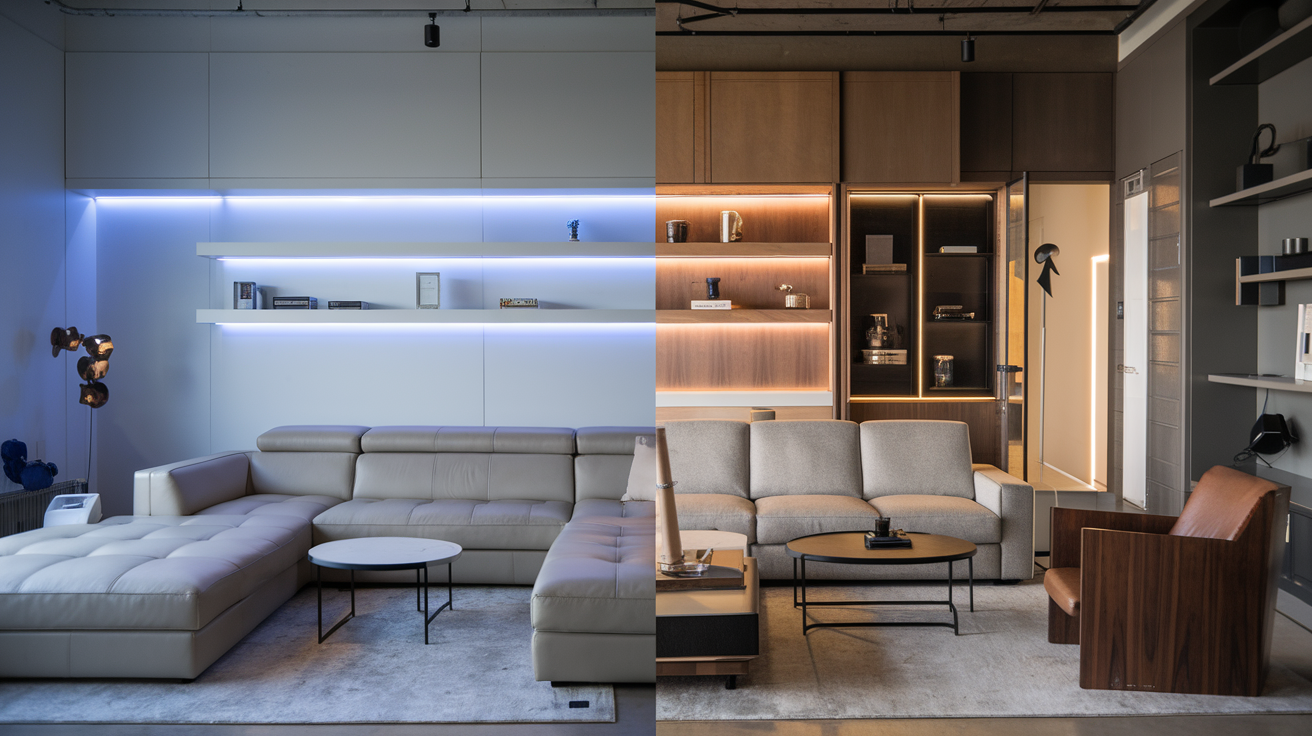
Table Of Contents
The modern home is evolving rapidly, with voice-controlled furniture becoming an increasingly essential component of smart living spaces. As we seamlessly integrate technology into our daily routines, the furniture we choose plays a pivotal role in determining both the functionality and aesthetic of our homes. This evolution brings us to an important crossroads: should you invest in voice-controlled furniture from global giants like IKEA, or explore what local brands have to offer?
IKEA, the Swedish furniture behemoth, has made significant strides in the smart furniture space with their TRÅDFRI and SYMFONISK collections. Meanwhile, local brands have been carving out their own niches, often with specialized offerings that address specific market needs. The choice between these options impacts not just your wallet, but also your overall smart home experience, compatibility with existing devices, and long-term satisfaction.
In this comprehensive comparison, we'll analyze how IKEA's voice-controlled furniture solutions stack up against local smart furniture brands. We'll explore everything from functionality and ecosystem integration to price points and value proposition—giving you the insights needed to make an informed decision that aligns with your smart living aspirations without unnecessary markups or compromises on quality.
Voice-Controlled Furniture Showdown
IKEA vs Local Brands
Feature Comparison
Functionality
IKEA
Basic voice commands across diverse furniture types
Local Brands
Deeper specialized functionality in specific categories
Integration
IKEA
Seamless compatibility with major voice assistants
Local Brands
Varies widely; some offer proprietary systems
Customization
IKEA
Limited to standardized options and configurations
Local Brands
Extensive customization options, tailored solutions
Making the Right Choice
Choose IKEA if you want:
- Budget-friendly entry point
- Wide ecosystem compatibility
- Consistent experience across rooms
- Simple implementation
Choose Local Brands if you need:
- Specialized functionality
- Custom solutions for unique spaces
- Superior materials and construction
- Longer-term investment
Best Approach: Hybrid Integration
The most successful smart homes often combine IKEA's affordable ecosystem foundation with strategic investments in specialized local brand pieces for furniture categories central to daily life and wellbeing.
Created by Smart Living
Premium quality, transparent pricing
The Rise of Voice-Controlled Furniture
Voice-controlled furniture represents the next frontier in smart home evolution. What began as simple voice commands to play music or check the weather has expanded into controlling entire living environments. Today's smart furniture pieces respond to voice commands to adjust positions, change lighting configurations, transform from one furniture type to another, or even monitor health metrics while you sit or sleep.
The market has grown exponentially in recent years, with global sales of smart furniture expected to reach $49 billion by 2025 according to recent industry analyses. This growth is fueled by increasing consumer comfort with smart home technology, declining costs of implementation, and the genuine convenience these products offer in day-to-day living.
Voice control represents a particularly valuable advancement for accessibility, allowing those with mobility limitations to adjust their environment without physical manipulation. Additionally, the hands-free nature of voice commands makes these furniture pieces practical additions in busy households where multitasking is the norm rather than the exception.
As we examine both IKEA and local brand offerings, it's important to recognize that we're evaluating products at different stages of maturity. While some solutions are refined and robust, others represent early iterations that will undoubtedly evolve significantly in coming years—much as smartphones have evolved from their early prototypes to today's sophisticated devices.
IKEA Smart Furniture Ecosystem
IKEA's approach to smart furniture is characterized by their typical philosophy: democratizing good design through affordable, accessible products. Their TRÅDFRI smart lighting system formed the foundation of their smart home ecosystem, which has since expanded to include voice-controlled furniture elements that integrate with major voice assistants like Amazon Alexa, Google Assistant, and Apple HomeKit.
The Swedish giant's advantage lies in their scale and integration capabilities. Rather than developing standalone smart pieces, IKEA has focused on creating an ecosystem where traditional furniture gains smart capabilities through modular additions. This approach allows consumers to gradually transform existing IKEA furniture into voice-responsive elements of their smart home.
Key Voice-Controlled Products
IKEA's voice-controlled furniture lineup includes several notable products:
SYMFONISK Series - These speaker-furniture hybrids, developed in collaboration with Sonos, respond to voice commands through compatible assistants. The bookshelf speaker and table lamp speaker blend seamlessly into home décor while providing quality audio output. Users can control music playback, volume, and even synchronize multiple speakers throughout their home using voice commands.
FYRTUR Smart Blinds - While not furniture in the traditional sense, these smart blinds integrate with voice assistants to control natural lighting through simple commands. Users can schedule routines or adjust blinds on demand without leaving their seat.
TRÅDFRI-integrated Furniture - Several standard IKEA furniture pieces have been designed to accommodate their smart lighting system, allowing for voice control of embedded or attached lighting elements. This includes entertainment centers, bedroom furniture, and kitchen cabinetry with integrated lighting systems.
UPPKOPPLA Collection - This experimental collection, while limited in availability, represents IKEA's vision for the future of gaming and ergonomic furniture with voice control capabilities for position adjustments and lighting scenarios.
Integration Capabilities
IKEA's smart furniture ecosystem operates primarily through their TRÅDFRI gateway, which connects to your home internet and allows control via the IKEA Home smart app. Voice control functionality comes through integration with third-party voice assistants rather than IKEA developing their own voice recognition technology.
This approach has both advantages and limitations. On the positive side, consumers can use familiar voice assistants they may already have in their homes. The limitation is that IKEA furniture becomes dependent on these third-party ecosystems, creating potential compatibility issues if you're not already invested in one of the major voice assistant platforms.
For those already using smart home products, IKEA's furniture typically works well within existing setups. The company has embraced standardized protocols like Zigbee for many products, enhancing interoperability with other smart home devices beyond the IKEA ecosystem.
Pricing Structure
IKEA's pricing follows their traditional tiered approach, offering entry-level smart furniture components at accessible price points while providing more feature-rich options at higher price points. The baseline investment for entering their voice-controlled ecosystem includes:
- TRÅDFRI Gateway: $35-40
- SYMFONISK Bookshelf Speaker: $99-120
- SYMFONISK Table Lamp Speaker: $179-220
- FYRTUR Smart Blinds: $129-179 (depending on size)
The total investment for transforming a room with basic voice-controlled IKEA furniture elements typically starts around $300-400 and can scale up depending on the size of the space and sophistication of the implementation. This represents a significantly lower entry point than many specialized smart furniture manufacturers, though with corresponding limitations in functionality and customization.
Local Brands Smart Furniture Landscape
In contrast to IKEA's mass-market approach, local smart furniture brands typically focus on specialized niches, offering products with deeper functionality in specific categories. These companies often begin with a particular furniture type—smart beds, voice-controlled recliners, or adaptive workstations—and develop expertise in that category before expanding their product lines.
The local brand landscape is diverse and varies significantly by region. While some local manufacturers develop their own proprietary technology, others partner with established tech companies to integrate voice control capabilities into their furniture designs. This creates a fragmented market where quality, functionality, and compatibility can vary dramatically between brands.
Notable Players and Offerings
While specific local brands vary by region, several categories of voice-controlled furniture have emerged as particular strengths for local manufacturers:
Smart Beds and Bedroom Furniture - Local brands often excel in creating voice-controlled beds that adjust positions, monitor sleep patterns, and integrate with bedroom environments. These typically respond to commands to adjust firmness, change incline for reading or watching TV, or even pre-warm the bed before sleep.
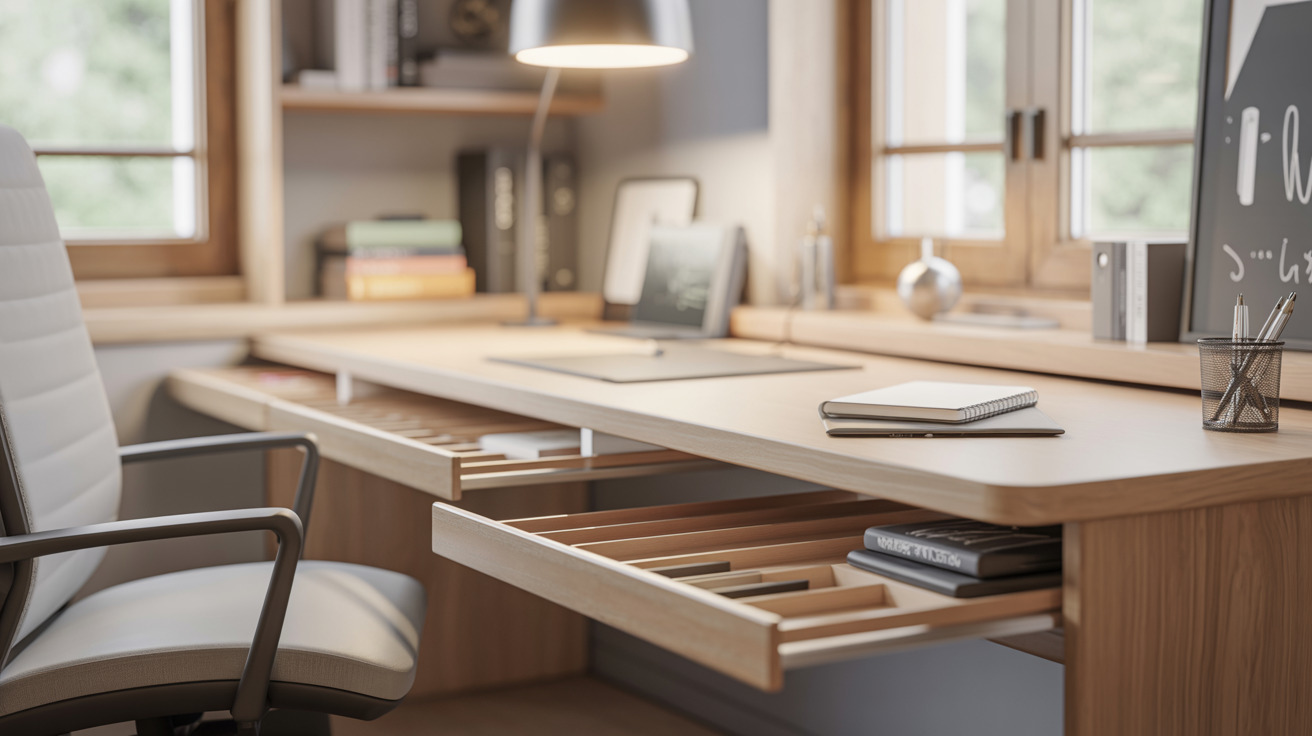
Adaptive Workstations - Voice-controlled desks that adjust height, position, and configuration based on user commands have become increasingly popular for home office environments. Local manufacturers often provide more customization options than mass-market alternatives.
Smart Entertainment Centers - Specialized media furniture with integrated speakers, ambient lighting, and display components that respond to voice control for creating optimal viewing experiences.
Therapeutic Furniture - Voice-controlled massage chairs, therapeutic recliners, and wellness-focused furniture that adjusts to user needs through simple voice commands, often with more sophisticated options than mass-market alternatives.
Customization and Specialization
The primary advantage local brands offer over IKEA is their ability to provide customized solutions tailored to specific needs, preferences, and spaces. Many local manufacturers offer consultation services where they assess your space, understand your specific requirements, and create voice-controlled furniture that perfectly matches both your functional needs and aesthetic preferences.
This level of customization typically extends to the voice control implementation itself. While IKEA relies on third-party voice assistants, many local brands develop more specialized voice control capabilities focused specifically on furniture operation. This can result in more responsive, comprehensive control over furniture functions, though potentially with less integration into broader smart home ecosystems.
Local manufacturers also tend to move more quickly with technological innovations, incorporating new capabilities into their products faster than larger corporations with more complex approval and production processes. This can mean access to cutting-edge features sooner, though sometimes with less refinement than mass-produced alternatives.
Price Point Analysis
The pricing for local brand voice-controlled furniture typically falls into three distinct tiers:
Entry-Level: Small local manufacturers often offer basic voice-controlled furniture elements starting around $500-800. These typically focus on a single function (like a voice-controlled recliner or adjustable desk) with limited integration capabilities.
Mid-Range: More sophisticated offerings with multiple functions and better integration capabilities generally range from $1,000-3,000. These products typically feature better materials, more reliable voice recognition, and longer warranties than entry-level options.
Premium: Fully customized, high-end voice-controlled furniture systems can range from $3,000 to $10,000+. These solutions often involve integrated room designs rather than single furniture pieces.
The significant price differential compared to IKEA reflects not just the customization available but also the business model. Local manufacturers lack IKEA's economies of scale and vertical integration, resulting in higher per-unit costs that are passed on to consumers. However, they eliminate many of the middlemen in traditional retail channels, similar to Smart Living's approach to premium goods, potentially delivering better value despite higher absolute prices.
Head-to-Head Comparison
When comparing IKEA's voice-controlled furniture solutions against local brand offerings, several key dimensions reveal significant differences in the value proposition of each option. These distinctions go beyond simple price comparisons, touching on core aspects of functionality, integration, quality, and overall user experience.
Functionality and Features
IKEA's strength lies in providing basic voice control across a wide range of furniture categories. Their solutions typically offer fundamental voice commands that handle primary functions—turning lights on/off, raising/lowering blinds, or controlling basic audio playback. The commands are standardized across their product ecosystem, creating a consistent user experience.
Local brands, by contrast, often provide deeper functionality within specific categories. A voice-controlled bed from a specialized manufacturer might recognize dozens of specific commands related to sleep optimization, while a smart desk might offer precise adjustment parameters and position memory that IKEA's more generalized approach doesn't match.
The depth versus breadth tradeoff becomes apparent in daily use. IKEA's unified approach means simpler implementation across multiple room types, while local brands excel in creating sophisticated experiences within their specialty areas. For most homes, this creates a natural division: IKEA for basic voice-controlled elements across the home, with local brands supplementing in areas where deeper functionality provides meaningful benefits.
Smart Home Ecosystem Compatibility
IKEA's decision to integrate with established voice assistants like Amazon Alexa, Google Assistant, and Apple HomeKit creates significant advantages for ecosystem compatibility. Their furniture elements become part of your broader smart home system without requiring separate voice control systems or unique voice commands structures.
Many local furniture brands take a more fragmented approach, with some developing proprietary voice control systems while others partner with specific technology providers. This creates potential integration challenges—you might need to use different voice assistants or command structures for different furniture pieces, complicating the user experience.
However, this equation is changing rapidly. More local manufacturers are recognizing the importance of ecosystem compatibility and developing solutions that work seamlessly with major voice assistants. The best local brands now offer both specialized commands through their own apps and basic functionality through mainstream voice assistants, providing flexibility that IKEA's more standardized approach sometimes lacks.
Build Quality and Durability
Build quality comparisons reveal significant variation across both IKEA and local brand offerings. IKEA's voice-controlled furniture follows their standard manufacturing approach: engineered for cost-efficiency with adequate but rarely exceptional materials. Their products typically offer reliable performance for 5-7 years of regular use, with electronic components sometimes becoming outdated before the furniture itself wears out.
Local brand quality varies dramatically, making generalizations difficult. Premium local manufacturers often use higher-grade materials and construction methods, resulting in voice-controlled furniture with expected lifespans of 10-15+ years. However, the electronics integration quality can be inconsistent, with some local brands excelling at beautiful furniture but struggling with technology reliability.
Warranty coverage reflects these differences. IKEA typically offers 1-3 year limited warranties on their smart furniture elements, while premium local manufacturers often provide 5-10 year coverage, sometimes with separate terms for the furniture and electronic components. This warranty differential should factor into any value calculation when comparing options across different price points.
Value Proposition
The fundamental value equation differs significantly between IKEA and local brand voice-controlled furniture. IKEA delivers accessible entry points to voice-controlled living environments with reasonable quality and good ecosystem integration. Their value proposition centers on democratizing smart furniture, making it available to a wide range of consumers without requiring significant investment.
Local brands typically deliver deeper functionality, better customization, and often superior build quality at higher price points. Their value proposition aligns closely with Smart Living's approach to premium appliances and home goods—offering superior quality and tailored solutions with transparent pricing that eliminates unnecessary markups from traditional retail channels.
For consumers, the best value often comes from a hybrid approach: using IKEA for basic voice-controlled elements that benefit from ecosystem integration but don't require specialized functionality, while investing in local brand pieces for furniture categories where deeper voice control capabilities deliver meaningful benefits to daily life.
Real-World Performance Assessment
Beyond specifications and features, the real-world performance of voice-controlled furniture determines its ultimate value. Our assessment of both IKEA and local brand offerings reveals important practical considerations that impact user satisfaction.
Response time—how quickly furniture reacts to voice commands—varies significantly across products. IKEA's integration with major voice assistants typically delivers consistent response times of 1-2 seconds from command to action. Local brands show greater variation, with premium offerings sometimes responding in under a second while less sophisticated implementations may experience delays of 3+ seconds or occasional failures to recognize commands.
Command recognition accuracy presents another critical distinction. IKEA benefits from the sophisticated natural language processing of established voice assistants, resulting in high recognition rates even with different accents or background noise. Local brands with proprietary voice systems often require more precise phrasing and quieter environments, though this gap is narrowing as more adopt mainstream voice assistant integration.
Power requirements and backup systems also differ meaningfully. Most of IKEA's voice-controlled furniture elements require constant power connections, with limited or no battery backup. This creates vulnerability during power outages, when voice control capabilities are lost. Premium local brands more commonly incorporate backup power systems that maintain basic functionality during interruptions, an important consideration for furniture serving essential functions like adjustable beds for individuals with mobility challenges.
Making the Right Choice for Your Smart Home
Selecting between IKEA and local brand voice-controlled furniture ultimately depends on your specific needs, preferences, and budget. Several decision factors can guide your choice:
Budget Considerations: If working within tight financial constraints, IKEA provides the most accessible entry point to voice-controlled furniture. Their ecosystem allows gradual expansion as budget permits, starting with simple elements and adding sophistication over time.
Existing Ecosystem: For homes already committed to specific voice assistants, choosing furniture that integrates seamlessly with that ecosystem creates the most cohesive experience. IKEA's multi-assistant compatibility offers advantages for mixed-ecosystem homes.
Functionality Priority: If specific furniture functions are central to your needs—like a precisely adjustable ergonomic desk for back problems or a therapeutic bed for sleep issues—local brands typically offer deeper specialized functionality that justifies their higher price points.
Customization Needs: Homes with unusual layouts, specific aesthetic requirements, or accessibility adaptations often benefit from local manufacturers' willingness to create customized solutions that perfectly fit both space and needs.
Long-Term Investment Perspective: When viewing furniture as a long-term investment, local brands' superior materials and construction often deliver better lifetime value despite higher initial costs, particularly for frequently-used furniture like beds, sofas, and office chairs.
Conclusion
The voice-controlled furniture showdown between IKEA and local brands reveals not a clear winner, but rather complementary strengths that serve different aspects of creating a smart living environment. IKEA excels in providing accessible, ecosystem-integrated solutions that democratize basic voice control capabilities across diverse furniture categories. Their approach makes smart furniture available to broader audiences and provides consistent experiences across the home.
Local brands deliver specialized expertise, deeper functionality, better customization, and often superior construction quality—at corresponding price premiums. Their products shine in categories where sophisticated voice control delivers substantial benefits to comfort, productivity, or accessibility.
The most successful smart homes often incorporate both approaches: IKEA elements providing fundamental voice control across the home environment, supplemented by strategic investments in specialized local brand pieces for furniture categories central to daily life and wellbeing.
As voice-controlled furniture continues evolving, the distinction between mass-market and local brand offerings will likely evolve as well. IKEA continues enhancing the sophistication of their smart furniture ecosystem, while local brands increasingly embrace standardized integration protocols. This convergence benefits consumers by providing more options at various price points, making voice-controlled furniture accessible to more homes while still offering premium experiences for those seeking specialized functionality.
Whether you choose IKEA, local brands, or a carefully selected combination of both, voice-controlled furniture represents a significant advancement in creating responsive, adaptive living environments that enhance comfort, convenience, and accessibility. The key is aligning your choices with your specific needs, preferences, and how you actually live in and use your space day to day.
Ready to transform your living space with smart furniture solutions that offer both quality and value? Discover Smart Living's curated collection of premium home essentials at transparent prices. From smart home innovations to office solutions that enhance your daily routine, we eliminate traditional retail markups to deliver exceptional quality directly to you.
Explore Smart Living today and experience the perfect balance of innovation, quality, and value for your modern home.
Commentaire