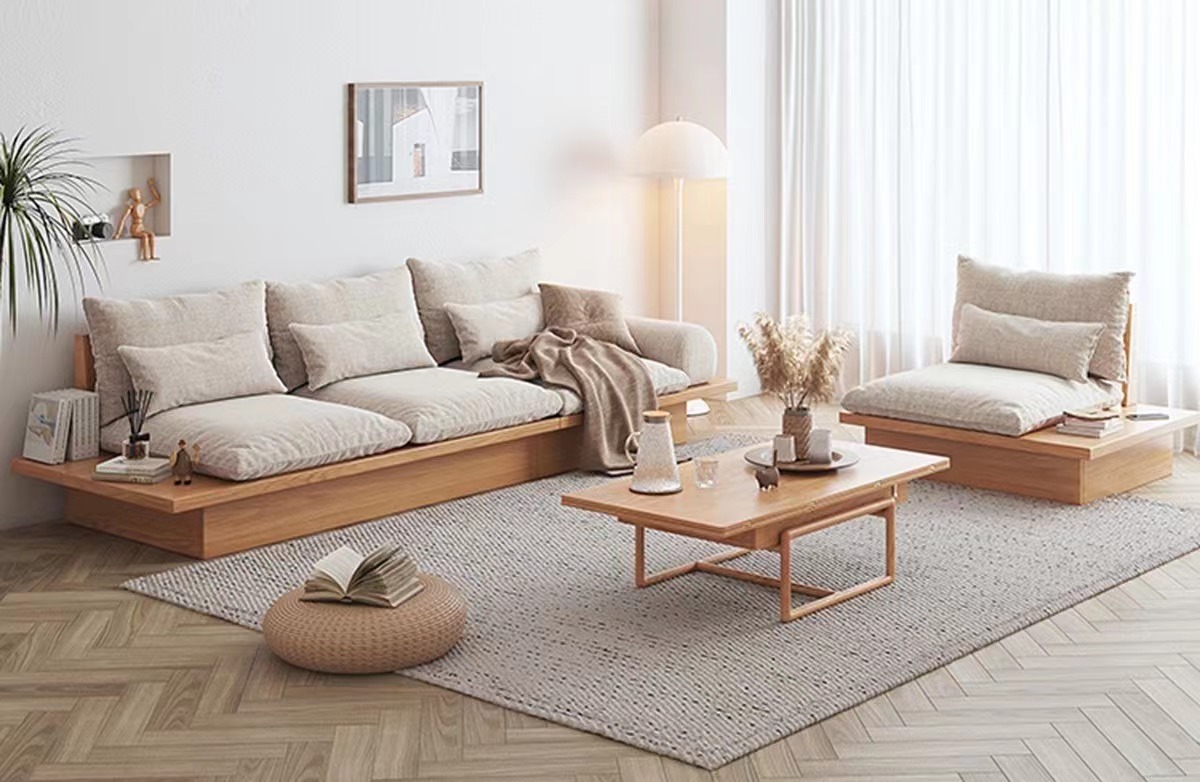
Japandi Coffee Table Styling: 10 Elegant Looks with Smart-Living Pieces
Oct 19,2025 | Smart-Living
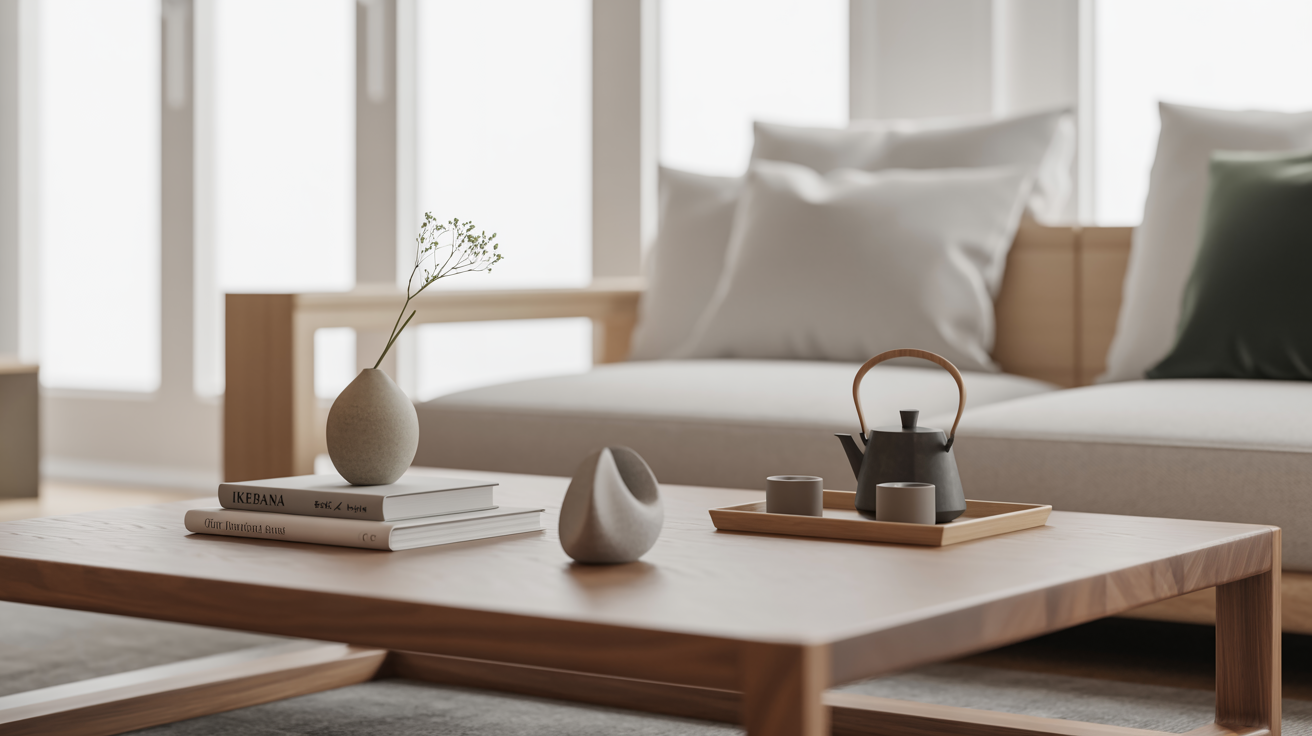
Table Of Contents
- Introduction to Japandi Style
- Why Coffee Tables Are Central to Japandi Design
- 10 Japandi Coffee Table Styling Ideas
- Choosing the Perfect Smart Living Coffee Table
- Maintenance Tips for Your Japandi Coffee Table
- Conclusion
Japandi Coffee Table Styling: 10 Elegant Looks with Smart-Living Pieces
The Japandi design movement represents the perfect marriage of Japanese minimalism and Scandinavian functionality—creating spaces that are both serene and practical. At the heart of any well-designed Japandi living space is the coffee table, serving as both a functional centerpiece and an opportunity to express the core principles of this harmonious style. But achieving this balanced aesthetic doesn't require breaking the bank.
Smart Living's curated collection of premium coffee tables and accessories offers the perfect foundation for creating stunning Japandi vignettes at transparent, competitive prices. By eliminating traditional retail markups, we provide the quality materials and thoughtful design that define Japandi style, without the premium price tag typically associated with high-end furnishings.
In this guide, we'll explore ten distinct approaches to Japandi coffee table styling using Smart Living pieces, demonstrating how intentional selection and arrangement can transform your living space. Whether you're committed to a complete Japandi home makeover or simply looking to bring elements of this calming aesthetic into your existing décor, these styling ideas will provide practical inspiration for creating a space that balances beauty with purpose.
Introduction to Japandi Style
Japandi style emerged as designers recognized the natural harmony between Japanese wabi-sabi philosophy and Scandinavian hygge sensibility. Both traditions value simplicity, natural elements, and craftsmanship—though they express these values through slightly different lenses. Japanese design embraces imperfection and asymmetry, while Scandinavian design favors functionality and comfort. Together, they create a style that feels both timeless and contemporary.
Key characteristics of Japandi design include:
- Clean lines and minimalist silhouettes
- Natural materials like wood, stone, and plant fibers
- Neutral color palettes with occasional muted accent colors
- Emphasis on craftsmanship and quality
- Thoughtful negative space (the Japanese concept of "ma")
- Functional beauty where every element serves a purpose
This design approach creates living spaces that feel both calm and inviting—the perfect antidote to our often chaotic modern lives. And importantly, Japandi style doesn't demand perfection; it embraces authenticity and mindful selection over excess and ostentation.
Why Coffee Tables Are Central to Japandi Design
In Japandi interiors, the coffee table often serves as the visual anchor for the living space. Its central position makes it an ideal canvas for expressing the core principles of the style through both form and function. The coffee table in Japandi design is never merely decorative—it serves as a practical surface for daily life while embodying the aesthetic values of the space.
Smart Living's coffee tables are particularly well-suited to Japandi styling because they emphasize quality materials and thoughtful design at accessible price points. By working directly with original design manufacturers, Smart Living delivers coffee tables with the clean lines, natural materials, and functional features that define Japandi style, without the markup traditionally associated with premium furniture.
Whether you prefer the warm tones of natural wood or the subtle contrast of mixed materials, your coffee table serves as both a functional element and a statement piece that sets the tone for your entire living area.
10 Japandi Coffee Table Styling Ideas
1. Minimalist Zen
The essence of Japandi style lies in intentional simplicity. For a minimalist zen approach, select a Smart Living coffee table with clean lines and a natural wood finish. Style it with just three carefully chosen elements: a low ceramic vessel, a small stack of art books with neutral covers, and a single architectural plant like a snake plant or small bonsai.
The key is restraint—each item should have room to breathe, creating a sense of calm through negative space. This arrangement honors the Japanese concept of "ma" (the meaningful space between objects) while maintaining the Scandinavian emphasis on functionality. The result is a coffee table that serves its purpose without visual clutter.
This look pairs particularly well with Smart Living's solid oak coffee tables, where the natural grain of the wood becomes part of the aesthetic statement. Complete the arrangement by placing a neutral-toned floor cushion nearby to encourage comfortable, grounded seating that reflects Japanese interior traditions.
2. Natural Materials Mix
Japandi style celebrates the beauty of natural materials in conversation with each other. Create visual interest by combining different organic textures on your coffee table. Start with a handwoven rattan or bamboo tray to define the styling area. Within this, place a stoneware vase with dried pampas grass or a single branch, a wooden bowl, and a small stack of linen coasters.
The cohesion in this arrangement comes from the shared natural origin of the materials, while the different textures create subtle visual contrast. Aim for materials in similar tonal families—warm neutrals like beige, tan, and light brown create a harmonious palette that feels both Japanese in its naturalism and Scandinavian in its warmth.
Smart Living's coffee tables with mixed material elements, like those combining wood with subtle metal accents, provide the perfect foundation for this styling approach. The table itself becomes part of the material conversation rather than just a backdrop for arranged items.
3. Functional Beauty
True to both Japanese and Scandinavian design philosophies, Japandi styling emphasizes items that are as useful as they are beautiful. For this approach, curate a collection of everyday objects elevated through thoughtful design. A handcrafted ceramic tea set, a wooden tray for serving, and a small container for tea accessories create a functional vignette that invites daily ritual.
Consider how Smart Living's coffee tables with storage features can enhance this functional beauty approach. Tables with drawers or shelving allow you to keep additional items close at hand but out of sight, maintaining the clean aesthetic while maximizing practicality.
This styling concept works especially well for those who regularly entertain guests or practice mindful tea rituals. The arrangement transforms everyday acts into aesthetic experiences—a core principle of both Japanese and Scandinavian design traditions.
4. Asymmetrical Balance
Japanese design often embraces controlled asymmetry, finding harmony in arrangements that aren't perfectly centered or matched. Create an asymmetrical coffee table display by positioning a larger item (like a substantial ceramic piece) slightly off-center, then balancing it with smaller items grouped on the opposite side.
The key to successful asymmetry is maintaining visual weight balance—the arrangement should feel intentional rather than haphazard. Consider not just the objects themselves but the negative space they create and how the eye moves between them. This approach embodies the Japanese aesthetic principle of fukinsei (imbalance) while maintaining the Scandinavian sense of intentional design.
Smart Living's rectangular or irregular-shaped coffee tables provide an excellent canvas for asymmetrical styling. The shape of the table itself can become part of the balanced-yet-uneven composition, particularly when paired with a thoughtfully placed bookshelf nearby to extend the visual narrative.
5. Layered Neutrals
Japandi interiors excel in the nuanced use of neutral colors, creating depth through subtle variations in tone rather than bold color contrasts. Apply this principle to your coffee table by selecting items in a coordinated neutral palette but with different tonal values.
Start with a light-toned wooden tray or placemat. Add objects in progressively deeper neutrals—perhaps a medium-toned ceramic container, a darker wooden object, and finally, a small black accent piece. This creates a visual journey from light to dark while maintaining the serene, cohesive feeling essential to Japandi spaces.
Natural materials like unfinished wood, stone, linen, and clay are perfect for this approach, as they bring inherent tonal variation. Smart Living's coffee tables in natural finishes provide the perfect neutral foundation for this styling approach, allowing the subtle color progression to stand out without competition.
6. Sustainable Simplicity
Sustainability is a core value in both Japanese and Scandinavian design traditions, making eco-conscious styling a natural fit for Japandi coffee tables. Create a display centered around sustainable materials and practices—a reclaimed wood bowl, a vase of seasonal foraged branches or grasses, and beeswax candles in simple ceramic holders.
The beauty of this approach is in its honesty—materials that show their natural character and items made to last through generations. This styling concept pairs perfectly with Smart Living's commitment to quality craftsmanship that stands the test of time, offering an alternative to disposable fast furniture.
Consider incorporating an element that changes naturally over time, like a small indoor plant or a wooden item that will develop a patina. This embraces the Japanese concept of wabi-sabi—finding beauty in imperfection and natural aging processes.
7. Contrast and Harmony
While Japandi style generally favors subtlety, thoughtful contrast creates visual interest and energy. Create a balanced coffee table display that juxtaposes opposites while maintaining overall harmony. Pair rough textures with smooth ones, organic shapes with geometric forms, or light elements with dark accents.
For example, place a roughly textured ceramic vessel next to a smoothly polished wooden object, or contrast a geometric metal tray with an organically shaped stone. The key is to ensure that despite these contrasts, the overall arrangement feels intentional and cohesive through shared qualities like scale, material quality, or color family.
This approach works particularly well with Smart Living's coffee tables that incorporate contrasting elements, such as wood and metal combinations or mixed material designs. The table itself becomes part of this conversation between different elements united in purposeful design.
8. Negative Space Utilization
The Japanese concept of "ma" (negative space) is central to Japandi design. Rather than viewing empty space as something to be filled, this styling approach treats negative space as a deliberate design element that provides visual breathing room. Create an arrangement that intentionally leaves substantial open surface on your coffee table—perhaps using just one side or corner for a carefully composed vignette.
This might include a single sculptural branch in a low vase, a stack of three books with minimal covers, and one small object of interest. The rest of the table remains intentionally clear, allowing the eye to rest and the few selected items to have greater impact.
Smart Living's larger coffee tables are perfect for this approach, as they provide ample surface area to play with the balance between occupied and empty space. This styling concept is particularly effective in smaller living spaces, where visual lightness creates a sense of spaciousness.
9. Seasonal Adaptability
Both Japanese and Scandinavian design traditions honor the changing seasons through subtle interior adjustments. Create a coffee table styling system that can be easily modified to reflect seasonal shifts while maintaining Japandi principles.
Establish a foundation of neutral, timeless pieces that remain year-round—perhaps a wooden tray and a ceramic container. Then, rotate seasonal elements: spring branches, summer grasses, autumn leaves, or winter evergreens. This brings nature's rhythms into your living space while maintaining the clean, intentional aesthetic of Japandi design.
Smart Living's versatile coffee tables provide the perfect backdrop for this evolving display. Consider how other Smart Living pieces like a nearby bunk bed or sofa bed might also receive subtle seasonal updates to create a cohesive experience throughout the room.
10. Multifunctional Approach
Scandinavian design particularly values multifunctionality, and this principle can be beautifully applied to Japandi coffee table styling. Create an arrangement that serves multiple purposes without appearing cluttered or utilitarian.
Consider a central tray that can be easily moved to create space for different activities, stacked books that double as display platforms, or nesting containers that provide both visual interest and practical storage. The challenge is to ensure each item earns its place through both beauty and utility.
This approach pairs especially well with Smart Living's multifunctional coffee tables, like those with adjustable heights, expandable surfaces, or integrated storage. The table itself embodies the Japandi principle of functional beauty, complemented by equally purposeful styling elements.
This concept extends naturally to other Smart Living pieces like foldable dining tables and Murphy beds, creating a cohesive approach to multifunctionality throughout the home.
Choosing the Perfect Smart Living Coffee Table
Before styling your Japandi coffee table, it's essential to select the right foundation piece. Smart Living offers several coffee table options that align perfectly with Japandi design principles while delivering exceptional value through direct-to-consumer pricing.
When selecting your coffee table, consider:
- Material authenticity: Look for tables crafted from genuine wood or featuring natural materials that will develop character over time
- Clean silhouettes: Choose designs with simple, purposeful lines rather than ornate details
- Functional features: Consider tables with thoughtful storage solutions that maintain visual simplicity
- Scale: Select a size proportional to your seating arrangement, allowing for comfortable use while maintaining open space
Smart Living's direct relationship with original design manufacturers ensures you receive premium quality construction without the traditional retail markup. This aligns perfectly with the Japandi emphasis on investing in fewer, better pieces rather than disposable furnishings.
Consider how your coffee table will interact with other Smart Living pieces, such as a TV console or bookshelf, to create a cohesive Japandi aesthetic throughout your living space. The thoughtful integration of these elements creates a harmonious environment that feels both curated and livable.
Maintenance Tips for Your Japandi Coffee Table
The Japandi aesthetic embraces materials that age gracefully, developing character over time. To maintain the beauty of your Smart Living coffee table and styling elements:
- Dust regularly with a soft cloth to prevent buildup that can dull natural finishes
- Apply appropriate wood oil or conditioner every few months to nourish natural wood surfaces
- Clean spills promptly, especially on unfinished or lightly finished wood
- Rotate styling elements periodically to prevent sun fading in specific areas
- Use coasters and placemats to protect surfaces while adding textural interest
Remember that in the Japandi tradition, signs of use and aging aren't flaws—they're evidence of a well-loved piece developing its unique character. Small imperfections tell the story of your life with the piece, embodying the wabi-sabi appreciation for natural impermanence and authenticity.
By selecting quality pieces from Smart Living and maintaining them properly, your Japandi coffee table will remain both beautiful and functional for years to come, avoiding the disposable furniture cycle and creating a more sustainable home environment.
Conclusion
Japandi coffee table styling offers a compelling approach to creating living spaces that feel both serene and practical. By blending Japanese minimalism with Scandinavian functionality, you can transform your coffee table into a centerpiece that embodies intentional design without excessive cost.
Smart Living's transparent pricing model makes premium quality pieces accessible, allowing you to invest in coffee tables and accessories that will develop character and remain relevant far longer than trendy, disposable alternatives. This approach aligns perfectly with the Japandi philosophy of thoughtful consumption and appreciation for quality craftsmanship.
Whether you prefer the minimalist zen approach, a celebration of natural materials, or multifunctional styling, the key is intentionality. Each item should earn its place through both beauty and purpose, creating a coffee table arrangement that feels both curated and livable.
As you implement these Japandi styling ideas with your Smart Living pieces, remember that the ultimate goal isn't perfection but harmony—a balanced expression of form and function that creates a calm, inviting space for daily life.