Sideboard vs Buffet: Understanding Key Differences in Storage & Styling
Oct 31,2025 | Smart-Living
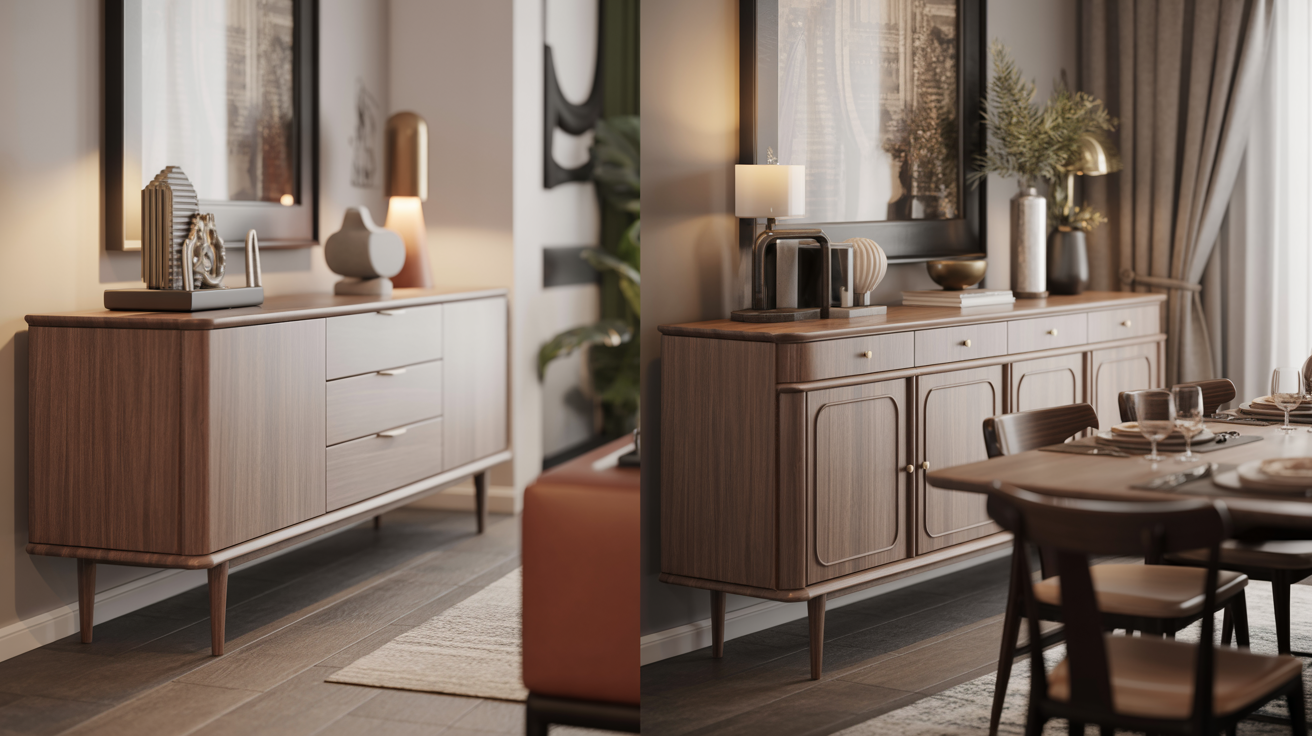
Table Of Contents
- What Is a Sideboard? Defining Characteristics
- What Is a Buffet? Key Features
- Key Differences Between Sideboards and Buffets
- Storage Functionality Comparison
- Styling Approaches for Both Pieces
- Ideal Placement Ideas in Modern Homes
- How to Choose the Right One for Your Home
- Final Thoughts: Making the Best Choice
When furnishing your home, the terminology around different storage pieces can sometimes be confusing. Two commonly misunderstood furniture items are sideboards and buffets. While they may appear similar at first glance, these versatile pieces serve different purposes and have distinct characteristics that make them suitable for specific spaces and needs.
Understanding the nuances between a sideboard and a buffet can help you make a more informed decision about which piece will best complement your home's functionality and aesthetic. Both offer elegant storage solutions, but knowing their differences will ensure you select the furniture that perfectly suits your specific requirements.
In this comprehensive guide, we'll explore the defining features of sideboards and buffets, examine their storage capabilities, discuss styling approaches for each, and provide practical advice to help you determine which piece will work best in your living space.
What Is a Sideboard? Defining Characteristics
A sideboard is a versatile piece of furniture traditionally designed for the dining room but now commonly found throughout the modern home. Its primary purpose is to provide storage while offering a display surface for decorative items.
Physical Attributes of Sideboards
Sideboards typically feature a long, low profile with a flat top surface perfect for displaying items. They generally stand between 30-36 inches high, making them slightly shorter than standard counter height. The length varies but usually ranges from 60-83 inches, providing substantial horizontal space.
One of the most distinguishing features of a sideboard is its storage configuration. Most sideboards have a combination of drawers and cabinet spaces with doors. The drawers are typically positioned at the top of the unit, providing convenient storage for smaller items like table linens, flatware, and serving utensils. The lower cabinets offer more substantial storage for larger items.
Design Evolution
Modern sideboards have evolved from their traditional roots to embrace contemporary design elements. While traditional sideboards often feature ornate details and rich wood finishes, today's designs might incorporate sleek lines, mixed materials, and innovative storage solutions.
The versatility of sideboards makes them excellent pieces for various rooms beyond the dining area. They work beautifully in entryways as console tables, in living rooms as media units, or even in home offices for additional storage. Some homeowners even use compact sideboards as alternatives to TV consoles in smaller spaces.
What Is a Buffet? Key Features
Buffets share many similarities with sideboards but have specific characteristics that define their traditional use and placement in the home. Originally designed specifically for dining rooms, buffets are furniture pieces intended to hold serving dishes during meals and store dining essentials.
Physical Characteristics
Buffets typically stand taller than sideboards, usually measuring 36-42 inches in height—roughly the same height as a standard kitchen counter. This elevated height makes buffets particularly functional for serving food, as guests can comfortably help themselves without needing to bend down significantly.
In terms of length, buffets are often slightly shorter than sideboards, generally measuring between 48-72 inches. This more compact footprint makes them suitable for dining rooms where space might be at a premium while still providing ample storage and serving area.
Storage Configuration
The storage layout in buffets prioritizes accommodating dining essentials. Typically, buffets feature more cabinet space than drawers, with shelving designed to hold larger items like serving platters, fine china, and bulky serving pieces. When drawers are present, they're usually sized to accommodate table linens and silverware.
Many traditional buffets also feature specific design elements like plate racks, wine storage sections, or specialized compartments for serving utensils, highlighting their dining-focused functionality.
Key Differences Between Sideboards and Buffets
While sideboards and buffets share some commonalities, several key differences help distinguish these furniture pieces from one another:
Height and Proportions
The most noticeable difference between these pieces lies in their height. Buffets stand taller (36-42 inches) compared to sideboards (30-36 inches). This height difference reflects their original purposes—buffets were designed for comfortable food service, while sideboards were created for more general storage and display.
In terms of width, sideboards tend to be longer and often slimmer in depth than buffets. This elongated profile makes sideboards particularly suitable for narrow spaces like hallways or behind sofas, while buffets with their more substantial depth work well against dining room walls.
Traditional Placement
Historically, buffets were exclusively dining room pieces, positioned against walls where food could be laid out for serving. Their height made them perfect for this purpose, allowing guests to serve themselves without stooping.
Sideboards, while also common in dining rooms, were designed with greater versatility in mind. Their lower profile made them suitable for multiple rooms and functions, from dining areas to living spaces and entryways.
Today, these traditional placements have become more fluid, with both pieces used throughout the home based on personal preference and spatial needs rather than strict adherence to convention.
Storage Functionality Comparison
The storage capabilities of sideboards and buffets reflect their design intentions and can help you determine which piece might better serve your needs.
Sideboard Storage Benefits
Sideboards typically offer a more diverse storage configuration with a balanced combination of drawers and cabinets. This varied storage makes them exceptionally versatile for different items:
The drawers are perfect for organizing smaller items like cutlery, table linens, candles, and other accessories that benefit from compartmentalized storage. Meanwhile, the cabinets accommodate larger items such as serving dishes, board games, photo albums, or even media equipment if the sideboard serves as an entertainment center.
This flexibility makes sideboards excellent multi-purpose storage solutions that can adapt as your needs change. If you're looking for furniture that can grow with your changing storage requirements, a sideboard offers remarkable adaptability similar to other versatile pieces like a Murphy bed or sofa bed.
Buffet Storage Advantages
Buffets excel at storing dining-specific items with their specialized storage design. The emphasis on cabinet space makes buffets ideal for housing:
Larger dining essentials like full dining sets, serving platters, punch bowls, and special occasion dishes can fit comfortably in buffet cabinets. Some buffets include adjustable shelving to accommodate items of various heights, while others might feature specific storage solutions like wine racks, plate display areas, or silverware drawers with custom dividers.
If your primary storage need revolves around dining essentials and entertaining supplies, a buffet's specialized storage design offers significant advantages. The additional height also creates more vertical storage space, which can be particularly useful in dining rooms where floor space is limited.
Styling Approaches for Both Pieces
Both sideboards and buffets provide excellent opportunities for styling and personalization. However, their different proportions and traditional placements influence optimal styling approaches.
Sideboard Styling Techniques
The longer, lower profile of sideboards creates an ideal canvas for balanced, horizontal displays. When styling a sideboard:
Consider creating a symmetrical arrangement with matching lamps or accessories at each end to anchor the display. The center space works well for artwork, mirrors, or a grouped vignette of decorative objects at varying heights. Layering is particularly effective on sideboards—place framed artwork against the wall, then arrange smaller objects in front to create depth and visual interest.
For functional styling, consider how the sideboard relates to other furniture in the room. In living areas, a sideboard styled with table lamps, books, and decorative objects can complement nearby seating like a sofa bed or lounge chairs. In dining spaces, keep the top partially clear for serving or pair with a wall-mounted mirror to expand the space visually.
Buffet Styling Approaches
The taller height of buffets requires a different styling perspective. Effective buffet styling often includes:
Taller decorative elements like substantial vases, candle holders, or significant artwork that can hold their own against the height of the piece. For dining room buffets, consider both decorative and functional styling—beautiful serving pieces that can transition from display to use during entertaining, or a designated drink station with decanters and glassware.
Since buffets traditionally serve as food service areas during gatherings, ensure that styling elements can be easily moved when needed. Using trays to group smaller items makes this transition smoother while maintaining a designed look when not in use for serving.
Ideal Placement Ideas in Modern Homes
Contemporary interior design has expanded the traditional roles of both sideboards and buffets, offering creative placement options throughout the home.
Versatile Sideboard Locations
The adaptable nature of sideboards makes them suitable for numerous placements:
In living rooms, sideboards work beautifully as media consoles, providing storage for electronics and media while offering display space above for a television. Their low profile makes them ideal height companions to seating areas without overwhelming the space.
Entryways benefit from sideboards as welcoming console tables that offer both storage and a surface for keys, mail, and decorative elements. In open-plan homes, sideboards can serve as room dividers, creating subtle boundaries between functional areas while maintaining an open feel.
Home offices or studies can utilize sideboards for document and supply storage, especially when wall space is limited for traditional bookshelves. The flat surface provides additional workspace when needed.
Modern Buffet Placements
While buffets maintain strong ties to dining spaces, contemporary homes utilize them in several innovative ways:
Beyond traditional dining rooms, buffets work well in breakfast nooks or kitchen eating areas, providing convenient storage and serving space for casual meals. The height of buffets makes them excellent partners for counter-height dining setups, especially with adjustable or foldable dining tables.
In living rooms, especially those with higher ceilings or substantial proportions, buffets can replace lower console tables, bringing a more substantial presence to the space. Their height creates a nice balance with taller elements like floor lamps or indoor plants.
Home bars are another perfect application for buffets—their counter-height surface is ideal for mixing drinks, while the storage accommodates glassware, bottles, and bar accessories.
How to Choose the Right One for Your Home
Selecting between a sideboard and a buffet ultimately depends on your specific needs, space considerations, and how you plan to use the piece.
Space Assessment
Begin by evaluating your available space and how the furniture will fit within it:
Measure both the wall space where you plan to place the piece and the traffic flow area in front of it. Sideboards, with their lower profile, work well in spaces with limited vertical room or where you don't want to block windows or wall art. Buffets require more vertical clearance but can make effective use of narrower wall spaces.
Consider the visual weight of each piece in relation to your other furniture. In rooms with substantial pieces like a bunk bed or large sectional, a buffet's height helps maintain balance, while in rooms with lower furniture profiles, a sideboard may integrate more harmoniously.
Functional Requirements
Think about how you'll primarily use the furniture:
If you frequently host dinner parties or buffet-style meals, the higher surface of a buffet creates a more comfortable serving height for guests. For primarily storage-focused needs, assess what items you'll be storing—drawers in sideboards offer better organization for smaller items, while buffets excel at accommodating larger dining pieces.
Consider accessibility needs as well. The lower height of a sideboard might be preferable for households with children who need to access items independently or for individuals with mobility limitations.
Design Cohesion
Ensure your choice complements your overall interior design scheme:
In contemporary spaces with clean lines and minimalist aesthetics, streamlined sideboards often integrate seamlessly. Traditional or formal dining areas usually benefit from the more substantial presence of a classic buffet.
Consider material and finish compatibility with your existing furniture. If your dining set has a specific wood tone or finish, choosing a complementary (though not necessarily matching) buffet or sideboard creates visual cohesion. For eclectic spaces, don't be afraid to mix materials—a metal sideboard can beautifully contrast with a wooden coffee table, for instance.
Final Thoughts: Making the Best Choice
The distinction between sideboards and buffets extends beyond simple terminology—each piece brings unique advantages to your home, from practical storage solutions to styling opportunities that enhance your interior design.
Sideboards offer versatile, multi-purpose functionality with their lower profile and balanced storage configuration. Their adaptability makes them excellent investments for evolving homes and changing needs. If flexibility, diverse storage options, and design versatility are your priorities, a sideboard likely represents the better choice.
Buffets excel in dining-focused environments where their height creates ideal serving surfaces and their specialized storage accommodates entertaining essentials. For frequent hosts or those with formal dining spaces, the traditional advantages of a buffet remain compelling.
Ultimately, the "right" choice depends on your specific needs, space considerations, and how you envision using the piece in your daily life. By understanding the key differences outlined in this guide, you can make an informed decision that enhances both the functionality and aesthetic of your home for years to come.
The distinction between sideboards and buffets goes beyond simple terminology—each piece offers specific benefits tailored to different needs and spaces. Sideboards, with their lower height and versatile storage configurations, provide exceptional adaptability for various rooms and functions. Their design makes them perfect for displaying decorative items while offering mixed storage for diverse items.
Buffets, with their taller profile and dining-focused design, excel in entertaining spaces where food service and specialized storage for dining essentials are priorities. Their counter-height surfaces and cabinet-centric storage perfectly complement traditional dining areas.
When making your selection, consider both your immediate functional needs and long-term versatility. The best choice will harmonize with your existing furniture while providing the specific storage and display capabilities that enhance your daily living. Whether you choose a sideboard or buffet, investing in quality construction ensures your piece will remain a cherished part of your home for years to come.
Ready to enhance your home with the perfect storage solution? Explore Smart Living's premium collection of quality furniture at transparent, competitive prices. Discover well-crafted sideboards, buffets, and more that combine style, functionality, and exceptional value.