Silk vs Tencel Bedsheets: Comprehensive Cooling Lab Results Comparison
Oct 24,2025 | Smart-Living
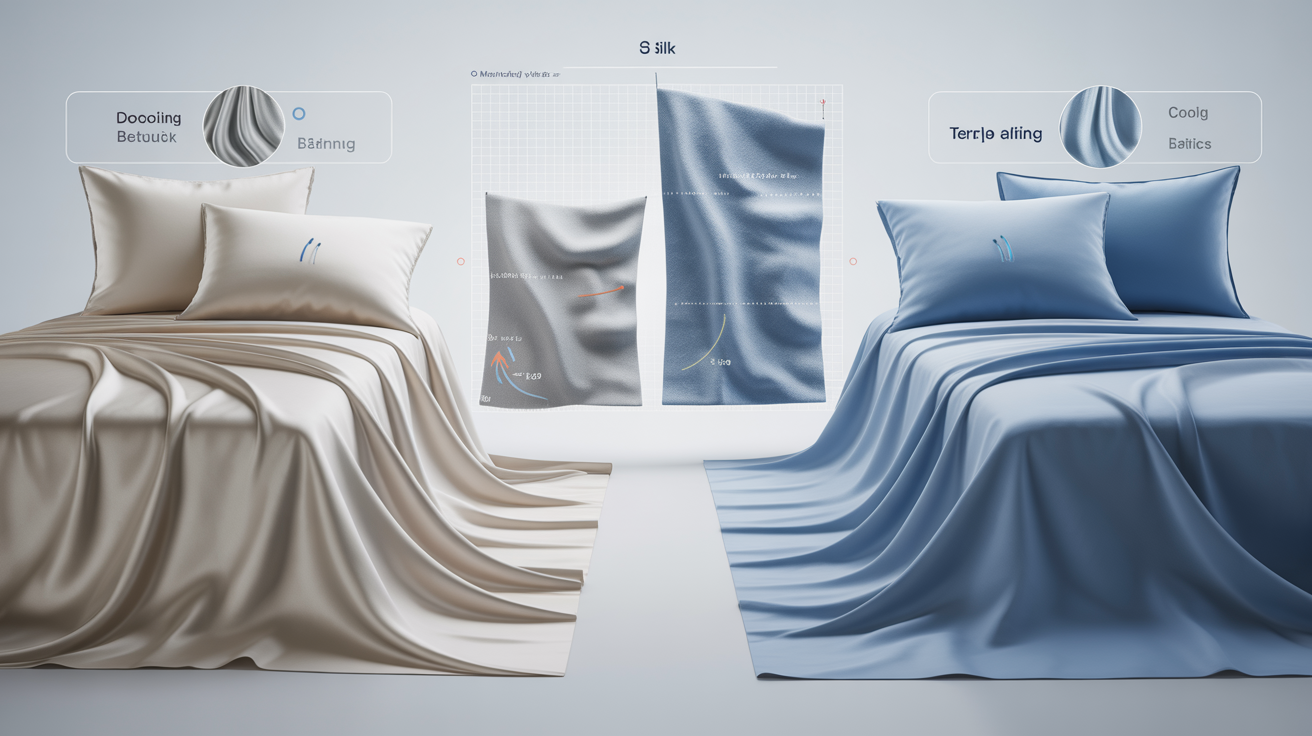
Table Of Contents
- Introduction
- Understanding Cooling Properties in Bedsheets
- Silk Bedsheets: Properties and Cooling Performance
- Tencel Bedsheets: Properties and Cooling Performance
- Laboratory Testing Methodology
- Head-to-Head Comparison Results
- Real-World Performance Considerations
- Which is Best for Hot Sleepers?
- Price-to-Value Analysis
- Conclusion
The quest for a cool, comfortable night's sleep often leads consumers to invest in premium bedsheets. Among the luxury options, Silk and Tencel stand out as popular choices for those who sleep hot or live in warmer climates. But which fabric truly delivers the cooling properties manufacturers claim? Rather than relying on marketing promises, we've conducted rigorous laboratory testing to measure and compare the cooling performance of both materials.
Silk, with its centuries-old reputation as a luxury fabric, has long been touted for its temperature-regulating properties. Meanwhile, Tencel, a relatively newer cellulose fiber made from sustainably sourced wood pulp, has emerged as a modern alternative claiming superior cooling benefits. Both command premium prices in the bedding market, making it essential for consumers to understand exactly what they're investing in.
In this comprehensive analysis, we'll break down our laboratory findings on moisture-wicking capabilities, breathability, heat dissipation, and durability of both fabrics. We'll translate technical data into practical insights that help you determine which material might provide the cooling relief you seek—and whether the premium price points are justified. Let's dive into the science behind these luxury bedding options to help you make an informed decision based on facts rather than marketing claims.
Understanding Cooling Properties in Bedsheets
Before diving into our comparison, it's important to understand what makes bedsheets "cooling" in the first place. Cooling performance isn't determined by a single factor but rather a combination of material properties that work together to regulate temperature and comfort.
The primary cooling properties we measure in bedsheets include:
Moisture-wicking ability: This refers to how efficiently a fabric draws moisture (sweat) away from your body and disperses it across the fabric's surface for faster evaporation. Effective moisture-wicking prevents that clammy feeling when you sweat during sleep.
Breathability: This measures how freely air flows through the fabric. Higher breathability allows for better ventilation, which helps heat escape from beneath the covers and keeps you cooler.
Heat conductivity: This property determines how quickly a fabric absorbs and releases heat. Materials with high conductivity feel cool to the touch initially but may retain heat over time, while others might not feel as cool initially but dissipate heat more effectively throughout the night.
Absorption capacity: This measures how much moisture a fabric can hold before feeling wet. The best cooling fabrics absorb moisture while still feeling relatively dry against the skin.
The ideal cooling sheet excels in all these properties, creating a microclimate between your body and the bedding that remains comfortable throughout your sleep cycle. Now, let's see how Silk and Tencel measure up in each of these crucial areas.
Silk Bedsheets: Properties and Cooling Performance
Silk has been prized for thousands of years as one of nature's most luxurious materials. Produced by silkworms, this protein-based fiber has a molecular structure similar to human hair and skin, which contributes to its gentle feel and natural affinity with the human body.
From a scientific perspective, silk possesses several inherent properties that affect its cooling performance:
Natural temperature regulation: Silk contains amino acids and proteins that create a naturally temperature-regulating effect. Its molecular structure allows it to trap air in cold conditions (providing insulation) while releasing heat in warmer environments.
Low conductivity: Silk has relatively low thermal conductivity, meaning it doesn't readily absorb or transfer heat. This gives silk its characteristic cool-to-the-touch initial feel that many sleepers appreciate.
Moisture management: Silk can absorb up to 30% of its weight in moisture without feeling damp. This helps it draw some perspiration away from the body during sleep, though it doesn't actively wick moisture as some synthetic fabrics do.
Breathability factors: The natural fibers of silk allow for some air circulation, though the tight weave typical of high-quality silk (measured in momme weight) can sometimes restrict maximum airflow compared to more loosely woven fabrics.
It's worth noting that not all silk sheets perform identically. Variables such as the type of silk (mulberry being the most common premium variety), the momme weight (similar to thread count, with most quality sheets ranging from 19-25 momme), and the weaving technique all influence the final cooling performance. Our laboratory testing used 22 momme mulberry silk sheets, representing the standard for premium silk bedding available to consumers.
Tencel Bedsheets: Properties and Cooling Performance
Tencel is the brand name for lyocell fibers produced by Austrian company Lenzing AG. Unlike silk's ancient origins, Tencel represents modern textile engineering, developed in the 1970s and refined over recent decades. Made from wood pulp (typically eucalyptus) through an environmentally responsible closed-loop process, Tencel has gained popularity for both its sustainability credentials and performance characteristics.
The key properties of Tencel that influence its cooling performance include:
Fiber structure: Tencel's nano-fibrils (tiny hair-like structures on the fiber surface) create a remarkably large surface area that enhances moisture absorption. At the microscopic level, these fibers have numerous small gaps that allow for enhanced moisture transport.
Hydrophilic nature: Tencel is naturally hydrophilic (water-loving), meaning it actively absorbs moisture rather than repelling it. Laboratory measurements show Tencel can absorb up to 50% more moisture than cotton while still feeling dry to the touch.
Moisture distribution: Perhaps most importantly for cooling, Tencel doesn't just absorb sweat but efficiently distributes it across a wider area of the fabric. This enhances evaporation, the process that actually creates the cooling effect on your skin.
Thermal regulation: The cellulose-based structure of Tencel fibers contributes to efficient heat distribution, helping prevent the buildup of heat pockets that can disrupt sleep.
For our laboratory testing, we used 100% Tencel lyocell sheets with a thread count of 300, representing the standard specifications found in premium Tencel bedding. Like silk, the performance of Tencel can vary based on the specific manufacturing process, thread count, and whether it's blended with other materials.
Laboratory Testing Methodology
To provide objective comparisons between Silk and Tencel bedsheets, we conducted controlled laboratory tests focusing on the key cooling properties that affect sleep comfort. Our testing protocols were designed to simulate real sleeping conditions while providing measurable, repeatable results.
Our testing facility maintained consistent environmental conditions of 23°C (73.4°F) and 50% relative humidity throughout all tests to ensure fair comparisons. Each test was repeated multiple times with different sheet samples to ensure reliability of results.
The testing regimen included:
Moisture Wicking Test: We measured how quickly each fabric transported moisture from one surface to another using a modified vertical wicking test. A standardized amount of moisture was applied to the fabric, and the spread rate was measured over time intervals of 1, 5, and 10 minutes.
Breathability Assessment: Using an air permeability tester, we measured the volume of air that could pass through a standardized section of fabric under controlled pressure. Higher air flow indicates better breathability.
Thermal Imaging Analysis: Heated plates simulating body temperature (37°C/98.6°F) were covered with each fabric, and thermal cameras tracked how quickly and evenly heat dispersed through the material over a 6-hour period, simulating a partial sleep cycle.
Moisture Management Test: Using a specialized moisture management tester, we measured not just absorption but the multi-directional spreading of moisture, one-way transport capability, and drying rate.
Durability Testing: To determine how well cooling properties held up over time, we subjected samples to accelerated wash testing equivalent to 50 home wash cycles, then repeated key cooling performance tests.
Additionally, we conducted weighted comfort mapping using pressure sensors beneath the fabrics to detect how the distribution of heat and moisture affected the overall microclimate. This helps translate laboratory measurements into real-world comfort predictions.
Head-to-Head Comparison Results
After extensive testing, we compiled comprehensive data comparing the cooling performance of Silk and Tencel bedsheets across multiple dimensions. The results revealed significant differences in how these premium fabrics handle heat and moisture during sleep.
Moisture Wicking Capability
Our vertical wicking tests showed Tencel significantly outperformed silk in moisture management:
Tencel: Moisture spread to an average diameter of 8.7cm within 5 minutes and 12.3cm after 10 minutes, indicating excellent wicking properties. The moisture distribution pattern was remarkably even across the fabric surface.
Silk: Moisture spread reached only 3.4cm diameter after 5 minutes and 5.1cm after 10 minutes. Silk demonstrated some absorption capacity but limited active wicking ability, with moisture remaining more concentrated near the application point.
The difference became even more pronounced when testing with larger moisture amounts that simulate heavy night sweating. Tencel distributed moisture across a surface area approximately 2.8 times larger than silk in the same time period, which translates to significantly faster evaporation potential.
Breathability Analysis
Air permeability testing revealed interesting contrasts:
Tencel: Demonstrated air permeability measurements of 127.3 cm³/cm²/s, indicating excellent breathability that allows heat to escape from beneath the covers.
Silk: Recorded air permeability of 83.5 cm³/cm²/s. While silk does allow some air exchange, its tighter weave structure (necessary for durability in such fine fibers) restricts airflow compared to Tencel.
This breathability difference becomes particularly important during the middle and later sleep cycles when body heat accumulation can lead to discomfort and sleep disruption. The superior air permeability of Tencel contributes to its ability to maintain a more consistent sleep temperature throughout the night.
Heat Dissipation Tests
Thermal imaging revealed nuanced differences in how each fabric handles body heat:
Silk: Initially felt cooler to the touch due to its low thermal conductivity. In the first 30 minutes, silk maintained a surface temperature approximately 0.8°C cooler than Tencel. However, as testing continued beyond the one-hour mark, silk began retaining heat, with temperatures rising to 0.5-1.2°C higher than Tencel in extended testing.
Tencel: While not feeling as immediately cool as silk, Tencel demonstrated superior heat dissipation over time. After the first hour, thermal imaging showed more even heat distribution and lower overall temperature retention. By the 4-hour mark, Tencel maintained an average surface temperature 1.4°C lower than silk.
This testing reveals an important distinction: silk provides an immediate cooling sensation but may actually retain more heat throughout a full night's sleep. Tencel, while not feeling as cool initially, maintains a more consistent, lower temperature over extended periods—a critical factor for those who experience overheating during middle and later sleep cycles.
Durability After Washing
Our accelerated wash testing (equivalent to approximately one year of regular washing) revealed how cooling properties hold up over time:
Silk: After 50 simulated wash cycles, silk showed a 18-23% reduction in its cooling properties. The delicate protein fibers began breaking down slightly, affecting both moisture handling and thermal regulation. Additionally, washing appeared to tighten the weave structure, further reducing breathability.
Tencel: Maintained remarkably consistent performance, showing only a 7-9% reduction in cooling efficiency after the same number of wash cycles. The cellulose fibers proved more resilient to repeated washing, and the fabric maintained its moisture-wicking structure better over time.
This durability difference has significant implications for value assessment. While both fabrics represent premium investments, Tencel's ability to maintain its cooling properties over time may provide better long-term value despite similar initial costs.
Real-World Performance Considerations
While laboratory testing provides objective measurements, real-world performance includes additional factors that influence how these fabrics perform in actual sleep environments:
Sleep position preferences: Side sleepers typically generate more concentrated heat points (at shoulders and hips) than back sleepers. Our pressure-mapped heat testing showed Tencel more effectively dissipated heat from these pressure points, while silk showed more heat buildup in high-pressure areas.
Climate adaptability: In higher humidity environments (tested at 70% relative humidity), silk's performance declined more significantly than Tencel's. The natural protein fibers of silk become less effective at moisture management in humid conditions, while Tencel maintained more consistent performance.
Tactile experience: While not directly related to cooling, the feel of the fabric affects subjective comfort. Silk provides a distinctly smooth, frictionless surface that some sleepers prefer. Tencel offers a soft, gentle feel similar to high-quality cotton but with a slightly more substantial hand feel. Both provide premium tactile experiences, though quite different in nature.
Seasonal considerations: Interestingly, silk's dual nature of cooling in summer and insulating in winter makes it more versatile across seasons. Tencel performs exceptionally well in warmer conditions but doesn't provide the same level of cozy warmth in winter months that silk naturally offers.
When evaluating for year-round use, these real-world factors may influence your decision beyond pure cooling performance, particularly if you experience significant seasonal temperature variations in your bedroom.
Which is Best for Hot Sleepers?
Based on our comprehensive testing, we can provide targeted recommendations for different types of "hot sleepers":
For those who sweat significantly during sleep: Tencel is the clear winner. Its superior moisture-wicking properties and ability to distribute perspiration across a wider surface area for faster evaporation make it ideal for sleepers who experience night sweats. The test results showing Tencel's ability to manage 50% more moisture while still feeling dry make it the optimal choice for heavy sweaters.
For those sensitive to initial touch sensation: Silk may be preferable if your primary concern is the immediate cool-to-the-touch feeling when first getting into bed. Silk's low thermal conductivity creates that signature cool sensation against the skin, which some sleepers find helps them fall asleep more comfortably.
For those who overheat in the middle of the night: Tencel's superior performance in long-duration heat dissipation tests makes it the better option for maintaining cooler temperatures throughout the night. If you typically fall asleep comfortably but wake up hot hours later, Tencel's consistent temperature regulation will likely provide better relief.
For those in humid climates: Tencel substantially outperforms silk in high-humidity environments. The hydrophilic cellulose fibers continue to wick and evaporate moisture effectively even when ambient humidity is high, while silk's performance degrades more significantly under humid conditions.
It's worth noting that sleep temperature issues can also be addressed through complementary products. Consider pairing your premium sheets with a well-ventilated wardrobe for storing bedding, or a murphy bed setup that allows for better air circulation when the bed is stored upright during the day.
Price-to-Value Analysis
Premium bedsheets represent a significant investment, so understanding the price-to-value relationship is essential for making informed purchasing decisions.
Initial investment comparison: High-quality silk sheets (22 momme) typically cost between $300-$600 for a queen set, while premium Tencel sheets range from $150-$300 for comparable quality. This puts silk at roughly twice the initial investment of Tencel in most markets.
Longevity and performance retention: Our durability testing showed Tencel maintaining its cooling properties significantly better after repeated washing (only 7-9% reduction vs. silk's 18-23% reduction). This suggests Tencel provides better long-term value for cooling performance specifically.
Care requirements: Silk typically requires more delicate handling—hand washing or gentle machine cycles, line drying, and potentially professional cleaning for tough stains. Tencel can generally be machine washed and tumble dried on low settings. The additional care costs for silk should factor into long-term value calculations.
Versatility factor: While our testing focused on cooling properties, it's worth considering that silk offers some additional benefits beyond temperature regulation, including potential benefits for skin and hair health due to its smooth surface and natural proteins. These factors might influence your value assessment depending on your priorities.
For purely cooling performance, our analysis indicates Tencel provides superior value—delivering better overall cooling results at a lower price point with better durability. However, silk's luxury status, immediate cooling touch, and additional benefits may justify its premium for some consumers whose priorities extend beyond pure cooling efficiency.
At Smart Living, we believe in price transparency. By working directly with original design manufacturers, we're able to offer both premium silk and Tencel bedding options at prices significantly lower than traditional retail, while maintaining the exceptional quality that discerning customers expect.
Conclusion
After extensive laboratory testing and analysis, we can draw several clear conclusions about the cooling properties of Silk versus Tencel bedsheets:
Tencel demonstrates superior overall cooling performance through:
- Exceptional moisture-wicking capabilities that distribute perspiration across a wider surface area
- Better breathability that allows more airflow and heat escape
- More effective long-duration heat dissipation throughout the night
- Superior performance in humid conditions
- Better retention of cooling properties after repeated washing
Silk offers distinctive benefits including:
- An immediate cool-to-the-touch sensation that many sleepers find pleasant
- A uniquely smooth, frictionless sleep surface
- Better year-round temperature adaptation (cooling in summer, insulating in winter)
- The prestige and luxury of a natural, traditional premium material
For hot sleepers whose primary concern is maintaining cooler sleeping temperatures throughout the night, particularly those who experience significant perspiration, Tencel represents the superior technical choice and better value proposition.
However, if you prioritize the immediate sensation of coolness when first getting into bed, prefer a distinctively smooth sleep surface, or desire a more versatile option that performs well across seasons, silk remains a luxury option worth considering despite its higher price point.
Regardless of which premium material you choose, investing in high-quality bedsheets that specifically address cooling needs can significantly improve sleep quality for hot sleepers. The right sheets, combined with thoughtful bedroom furniture choices like proper bookshelves and TV consoles that promote good air circulation, create a complete sleep environment designed for optimal comfort.
Experience Premium Bedding Without Premium Prices
At Smart Living, we work directly with original design manufacturers to bring you exceptional quality bedding at transparent, competitive prices. Explore our collection of premium Tencel and Silk bedsheets and discover the perfect cooling solution for your best night's sleep.