15 Stylish Walk-In Wardrobe Ideas for 4-Room HDB Flats
Oct 04,2025 | Smart-Living
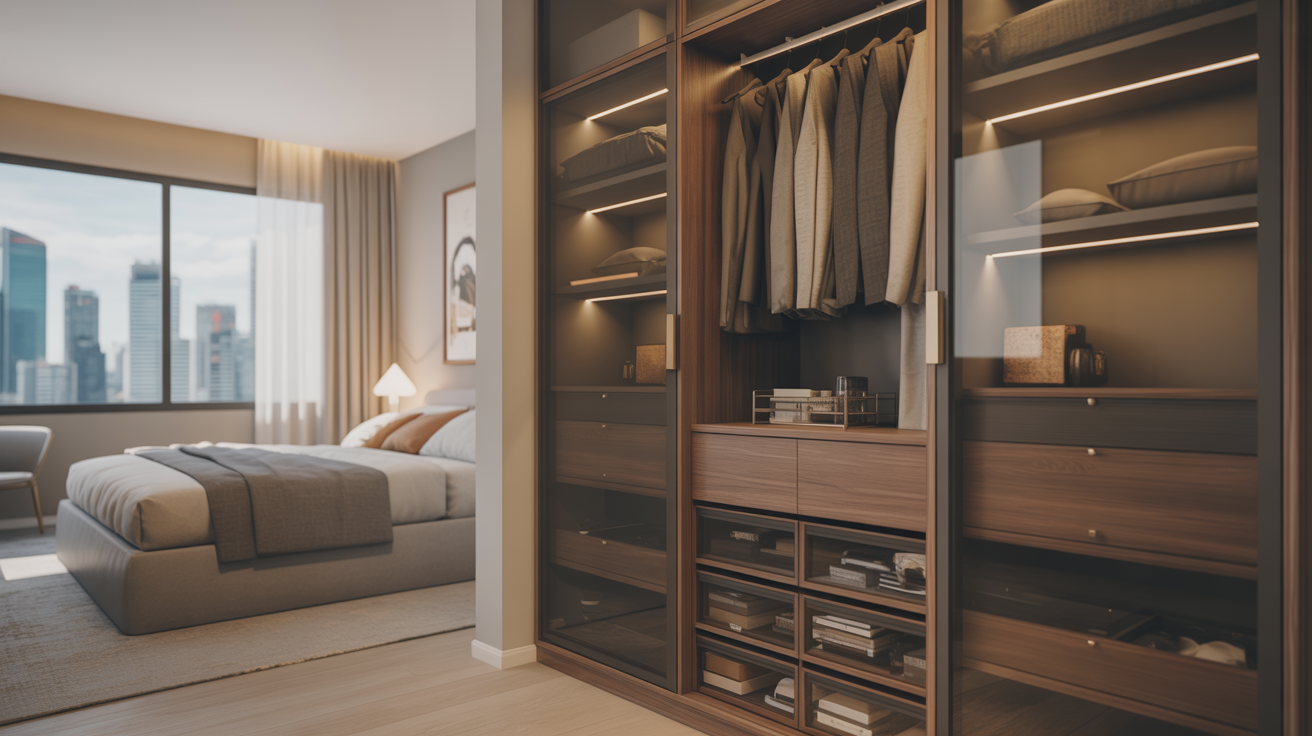
Table Of Contents
Walk-in wardrobes were once considered a luxury reserved for expansive homes, but with clever design and strategic planning, even 4-room HDB flats can accommodate these practical and stylish storage spaces. The challenge lies in creating functional elegance within the spatial constraints of Singapore's standard public housing.
In an HDB setting, every square meter counts. A well-designed walk-in wardrobe not only provides organized storage for your clothing and accessories but also adds significant value to your home while elevating your daily routine. This comprehensive guide explores innovative walk-in wardrobe solutions specifically tailored for 4-room HDB flats, helping you transform limited space into an organized, accessible, and aesthetically pleasing wardrobe experience.
Whether you're planning a full renovation or looking to optimize an existing layout, these ideas will help you maximize storage capacity without sacrificing style or breaking the bank. Let's explore how to bring this touch of luxury into your HDB home with smart design choices and efficient space planning.
Understanding HDB Space Constraints
Before diving into design ideas, it's crucial to understand the spatial realities of 4-room HDB flats. These units typically range from 90 to 100 square meters, with bedrooms averaging between 9 to 12 square meters. The master bedroom, usually the largest, measures about 13 to 15 square meters, which leaves limited space for a dedicated wardrobe area.
The standard ceiling height in HDB flats is 2.6 meters, providing valuable vertical space that can be maximized. Additionally, HDB regulations prohibit major structural changes to walls that contain plumbing or electrical wiring, which affects where you can position your walk-in wardrobe.
Working with these constraints requires creativity and precision in planning. The most successful HDB walk-in wardrobes consider these limitations from the start and incorporate them into the design rather than fighting against them.
Planning Your Walk-In Wardrobe
Planning is the foundation of any successful walk-in wardrobe installation in a 4-room HDB flat. Before proceeding with any designs or purchases, consider these essential planning steps:
Assess Your Clothing Inventory
Begin by taking inventory of your clothing, shoes, accessories, and other items that will be stored in the wardrobe. This inventory helps determine exactly how much hanging space, folding space, and specialty storage you'll need. Different wardrobes have different requirements – someone with numerous formal outfits will need more hanging space than someone with mostly casual wear.
Knowing the specific dimensions of your items will ensure your storage solutions accommodate everything properly. For instance, long dresses require taller hanging spaces, while folded sweaters need deeper shelves to prevent toppling.
Consider Sacrificing Space
In most 4-room HDB flats, creating a walk-in wardrobe means sacrificing space from somewhere else. Common approaches include:
Converting a small bedroom entirely into a walk-in wardrobe is the most spacious option, providing approximately 9 square meters of dedicated storage. Alternatively, partitioning a section of the master bedroom can create a smaller but still functional walk-in space of 3-5 square meters, preserving bedroom functionality while adding wardrobe convenience.
Some homeowners opt to remove existing built-in wardrobes to open up floor space for a new walk-in design. This approach works particularly well when the original wardrobes are outdated or inefficiently designed. Remember that any space sacrifice should be carefully considered in terms of your overall living needs and future resale value.
Measure Precisely
Accurate measurements are non-negotiable when planning an HDB walk-in wardrobe. Measure your space multiple times to confirm dimensions, accounting for door swings, windows, air conditioning units, and any fixed features that cannot be moved. Even a few centimeters of miscalculation can result in storage units that don't fit properly.
When measuring, also consider clearance space – you'll need enough room to comfortably open drawers and cabinets, plus space to move around and access your items. A minimum pathway width of 80cm is recommended for comfort, though 70cm can work in tighter spaces.
Layout Options for HDB Flats
The L-Shaped Layout
The L-shaped layout maximizes corner spaces and works exceptionally well in converted bedrooms or sectioned-off areas of larger rooms. By installing storage along two perpendicular walls, this configuration creates a natural pathway while maximizing storage capacity.
This layout typically provides 5-7 linear meters of storage space, enough to accommodate a comprehensive wardrobe system including hanging areas, shelving, and drawers. The corner junction creates an opportunity for specialized storage solutions like angled shelves or rotating carousel systems that make use of otherwise difficult-to-access space.
The U-Shaped Layout
For those fortunate enough to have a full room dedicated to wardrobe space, the U-shaped layout offers maximum storage capacity by utilizing three walls. This configuration creates a boutique-like experience with approximately 7-9 linear meters of storage space.
The U-shaped design allows for clear categorization of different clothing types and creates a central dressing area. However, this layout requires a minimum room size of 2.5m x 3m to provide adequate clearance in the center. When well-executed, it creates the most luxurious walk-in wardrobe experience possible in an HDB setting.
The Galley Layout
The galley layout features parallel storage units along opposite walls, creating a corridor-like wardrobe space. This configuration works well in rectangular spaces like partitioned sections of master bedrooms, providing 4-6 linear meters of storage while maintaining a clear pathway through the center.
This layout is particularly effective for couples sharing wardrobe space, as it naturally creates two separate zones. The pathway between storage units should be at least 80cm wide for comfortable movement, though 70cm can work in very tight spaces.
The Walk-Through Layout
The walk-through wardrobe creates a transitional space between rooms, typically connecting a bedroom to a bathroom. This innovative layout utilizes what would otherwise be corridor space, essentially turning a passageway into functional storage.
This configuration requires careful planning of door positions and may offer slightly less storage than other layouts (typically 3-5 linear meters), but it maximizes overall space efficiency in the home. Walk-through wardrobes are particularly popular in master bedroom suites where they create a natural flow between spaces.
Storage Solutions for Maximizing Space
The key to a successful HDB walk-in wardrobe lies in selecting the right storage components that maximize every available centimeter. Here are the most effective storage solutions for compact spaces:
Floor-to-Ceiling Cabinets
Floor-to-ceiling cabinets make the most of vertical space, a precious commodity in HDB flats. These full-height units can increase storage capacity by 25-30% compared to standard-height cabinets. The topmost sections are perfect for storing seasonal items or rarely used possessions.
For accessibility, consider incorporating a small folding step stool that can be tucked away when not in use. Some sophisticated designs include pull-down rods that bring higher items within reach. With Smart Living's smart home solutions, you can even integrate motorized systems for accessing high storage compartments.
Multi-Functional Islands
If space permits (typically in converted bedroom walk-ins), a small central island creates a focal point while adding valuable storage. Islands as compact as 80cm x 100cm can house multiple drawers for accessories, lingerie, or folded items, while the surface provides a staging area for outfit planning.
For extremely space-conscious designs, consider a rolling island that can be moved aside when not in use, or a pull-out surface that extends from a wall unit when needed. These flexible solutions provide the functionality of an island without permanently occupying floor space.
Customized Drawer Systems
Well-designed drawer systems with dividers, trays, and specialized compartments can dramatically increase storage efficiency. Opt for full-extension drawers that allow complete visibility of contents and soft-close mechanisms to prevent damage from slamming.
Consider drawer depths carefully – shallow drawers (10-15cm) work well for accessories and undergarments, while medium drawers (15-25cm) accommodate folded clothes. Deeper drawers (25cm+) are suitable for bulkier items but become less efficient for smaller items as things tend to get buried.
Smart organizing systems from Smart Living's collection can further enhance drawer functionality with modular dividers and specialized compartments for different item types.
Double-Hanging Rods
Double-hanging rods effectively double your hanging capacity by stacking two rows of shorter clothing items like shirts, blouses, and folded pants. The standard heights for double-hanging are approximately 105cm for the upper rod and 50cm for the lower rod, measured from the floor.
Reserve single-hanging sections (at about 160cm height) only for longer items like dresses and coats. By carefully planning which items need full-length hanging and which can be accommodated on double-rods, you can significantly increase your wardrobe's capacity without requiring additional floor space.
Pull-Out Accessories
Specialized pull-out accessories make accessing items easier while maximizing space efficiency. Consider incorporating:
Pull-out tie and belt racks keep these accessories neatly arranged and easily accessible. Pull-out mirror panels can be tucked away when not needed, saving precious wall space. Sliding shoe racks provide high-density storage while keeping footwear visible and accessible.
Fold-down ironing boards integrated into cabinetry save space and keep laundry tools close at hand. Many of these specialized accessories can be found among Smart Living's organizational products, designed specifically for space-constrained environments.
Lighting Considerations
Proper lighting transforms a functional wardrobe into a luxurious dressing experience. In HDB walk-in wardrobes, strategic lighting is particularly important due to the typically limited natural light.
LED Strip Lighting
LED strip lights installed underneath shelves or along cabinet edges provide even, shadow-free illumination of your clothing and accessories. These energy-efficient lights generate minimal heat, making them safe for use near fabrics and in enclosed spaces.
Consider installing motion-activated LED strips that illuminate automatically when you open drawers or cabinets. This feature not only adds convenience but also helps save energy. Smart appliance solutions can integrate these lighting systems with your home automation setup for seamless control.
Recessed Ceiling Lights
Small recessed ceiling lights provide general illumination without consuming headroom. Opt for adjustable recessed spotlights that can be directed toward specific areas like the dressing space or shoe display.
For energy efficiency and flexibility, choose dimmable LED recessed lights with color temperature options – warmer light (2700-3000K) creates a cozy ambiance, while cooler light (4000-5000K) provides better color accuracy when selecting outfits.
Mirror Lighting
Proper mirror lighting eliminates unflattering shadows when checking outfits. Vertical light bars on either side of a mirror provide the most flattering and functional illumination, minimizing shadows and accurately representing colors.
If space is extremely limited, consider a mirror with integrated LED lighting around its perimeter or backlit mirrors that provide diffused illumination while maintaining a streamlined appearance. These space-saving solutions deliver functionality without requiring additional wall space for separate light fixtures.
Design Styles for HDB Walk-In Wardrobes
The aesthetic of your walk-in wardrobe should complement your overall home design while maximizing functionality. Here are popular design styles that work particularly well in HDB settings:
Minimalist Scandinavian
The Scandinavian aesthetic emphasizes clean lines, light colors, and natural materials – perfect for making small spaces feel larger and more open. White or light wood cabinetry with simple hardware creates an airy, uncluttered look that maximizes the perception of space.
This style typically features open shelving components mixed with closed storage, providing both display opportunities and hidden organization. The simplicity of Scandinavian design lends itself well to modular systems that can be reconfigured as needs change, offering flexibility in limited spaces.
Modern Luxury
For a more upscale feel, consider dark wood tones or high-gloss finishes paired with brass or gold hardware. Glass-fronted cabinets with integrated lighting create showcase areas for designer accessories or special collections.
Textured elements like fluted glass panels or ribbed wood details add sophistication without overwhelming compact spaces. This style often incorporates premium materials strategically placed at eye level, with more budget-friendly materials in less visible areas – a smart approach that aligns with Smart Living's philosophy of offering premium quality at transparent prices.
Japanese-Inspired
Drawing inspiration from Japanese design principles creates serene, highly functional wardrobes perfect for small spaces. This style favors natural materials, neutral colors, and thoughtfully designed storage that conceals contents behind clean façades.
Sliding doors inspired by shoji screens save space compared to swing-out doors while adding an architectural element. The Japanese approach to organization – giving everything a dedicated place and keeping only what you truly need – naturally complements smaller HDB wardrobes where space efficiency is paramount.
Industrial Chic
The industrial aesthetic combines raw materials like metal and concrete with warmer elements like wood and fabric. Open pipe clothing racks, mesh cabinet fronts, and concrete-look laminates create a distinctive urban feel while maintaining functionality.
This style often incorporates visible organizational systems rather than hiding everything behind cabinet doors – think open shelving with fabric bins, visible hanging systems, and drawer units on wheels. The inherent flexibility of industrial-inspired components allows for easy reconfiguration as storage needs change.
Door Options for Walk-In Wardrobes
The entrance to your walk-in wardrobe affects both aesthetics and space efficiency. Choose from these options based on your specific constraints:
Sliding Doors
Sliding doors are the most space-efficient option, requiring no clearance space for door swing. This makes them ideal for tight HDB layouts where every centimeter counts. Modern sliding systems operate smoothly and quietly on concealed tracks, with soft-close mechanisms preventing slamming.
For a luxurious touch, consider mirrored sliding doors that serve dual functions – providing full-length reflection while concealing the wardrobe. Frosted or fluted glass options allow light to penetrate while maintaining privacy and hiding any potential clutter.
Pocket Doors
Pocket doors disappear completely into wall cavities when open, providing unrestricted access without consuming any space in either the bedroom or wardrobe area. This clean, architectural solution creates an elegant transition between spaces.
While pocket doors require specific wall construction to accommodate the door when retracted, the space-saving benefits often outweigh the additional construction complexity. For maximum impact, consider double pocket doors that create a wide, dramatic entrance when opened fully.
Curtain Dividers
Fabric curtains provide a soft, flexible boundary that adds textural interest while maintaining an open feeling. This budget-friendly option allows for easy installation without complex door hardware or structural modifications.
Choose curtains in fabrics that complement your bedroom decor – sheer materials create an airy feel while heavier fabrics provide more visual privacy. Ceiling-mounted tracks allow the curtains to be completely drawn back when you want an open-concept feel or full access to the wardrobe contents.
Barn Doors
Sliding barn doors make a dramatic design statement while requiring only minimal clearance space along the mounting wall. Their substantial presence creates a focal point that can elevate the entire bedroom design.
Modern interpretations of barn doors range from rustic wood planks to sleek glass panels in metal frames, offering options for any design style. While they don't save as much space as in-wall pocket doors, they're much easier to install and can be added to existing spaces without major construction.
Budgeting for Your Walk-In Wardrobe
Creating a walk-in wardrobe in an HDB flat requires careful financial planning. Understanding the cost factors helps you make informed decisions that balance quality, aesthetics, and budget:
Cost Considerations
Custom-built wardrobes typically range from $250-$450 per linear foot, depending on materials and features. Modular systems offer a more budget-friendly alternative at approximately $150-$300 per linear foot, with the flexibility to expand over time as budget allows.
Premium features like soft-close mechanisms, specialized organizers, and integrated lighting add functionality but increase costs. Consider which upgrades provide the most value for your specific needs rather than automatically selecting all available options.
Material choices significantly impact both aesthetics and price – laminate provides a cost-effective and durable solution, while solid wood or high-gloss finishes command premium prices. Remember that Smart Living's direct-to-consumer model helps you access premium materials at more transparent, competitive prices by eliminating traditional retail markups.
Value-Adding Investments
Certain wardrobe features provide exceptional value by increasing functionality and longevity. High-quality drawer slides and hinges, for instance, may cost more initially but prevent frustrating failures and costly replacements down the road.
Adjustable shelving systems accommodate changing storage needs over time, extending the useful life of your wardrobe. Similarly, modular designs allow for reconfiguration without complete replacement as your needs evolve.
Lighting is another area where investment yields significant returns in both functionality and atmosphere. Well-planned LED lighting enhances usability while creating an upscale ambiance that elevates the entire wardrobe experience.
Maintenance Tips
Proper maintenance ensures your walk-in wardrobe remains functional and beautiful for years to come. These practices are particularly important in Singapore's humid climate:
Humidity Control
Singapore's high humidity levels can damage clothing and cabinetry over time. Install small dehumidifiers within the wardrobe space to maintain optimal humidity levels between 45-55%. Silica gel packets placed in corners and shelves provide additional moisture absorption for sensitive items.
Ensure adequate ventilation with small gaps between cabinetry and walls, allowing air circulation that prevents mold and mildew growth. For walk-in wardrobes without windows, consider a small extraction fan that activates with the lights to improve air circulation.
Regular Cleaning Routine
Develop a consistent cleaning schedule to prevent dust accumulation and maintain optimal conditions for your clothing. Vacuum floor spaces weekly and wipe down shelving surfaces monthly with appropriate cleaners for your specific materials.
Periodically empty drawers and cabinets completely to clean interior surfaces and check for any signs of pests or mildew. This practice also provides an opportunity to reassess and reorganize your clothing collection, keeping only what you truly need and use.
Integrated cleaning tools like a small handheld vacuum stored within the wardrobe make maintenance more convenient, increasing the likelihood of regular cleaning. Smart appliances such as compact cordless vacuums are perfect for this purpose.
Conclusion
Creating a walk-in wardrobe in a 4-room HDB flat is entirely possible with thoughtful planning, strategic design, and careful material selection. The key lies in maximizing every available centimeter while creating a space that feels open and accessible rather than cramped and cluttered.
Whether you opt for converting a spare room, partitioning your master bedroom, or creating a walk-through solution, your walk-in wardrobe should reflect both your practical needs and personal aesthetic. With Singapore's space limitations, the most successful designs balance functionality with visual simplicity, avoiding overwhelming the limited space with too many elements.
Remember that a well-designed walk-in wardrobe is both a practical storage solution and a daily luxury – a personal space that makes getting dressed a pleasure rather than a chore. By applying these ideas and principles to your specific HDB constraints, you can create a wardrobe that organizes your possessions beautifully while adding significant value to your home.
Ready to transform your HDB flat with smart storage solutions? Visit Smart Living to discover our premium quality organizational products at transparent, competitive prices. From intelligent wardrobe systems to space-saving home accessories, we work directly with manufacturers to bring you exceptional essentials without the retail markup. Create your dream walk-in wardrobe without the premium price tag – shop Smart Living today!
发表评论