Complete Guide to Installing LED Strip Lighting in Wardrobes
Oct 27,2025 | Smart-Living
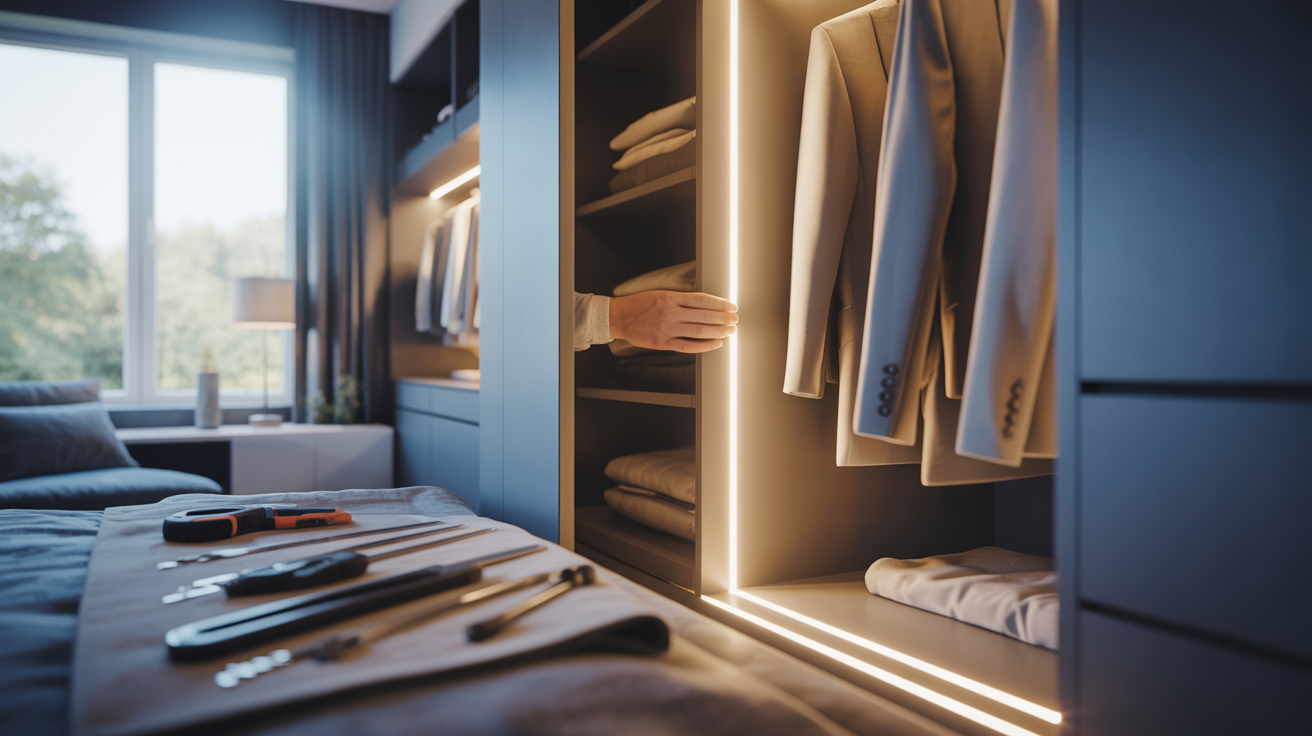
Table Of Contents
Ever reached into your wardrobe only to strain your eyes searching for that specific shirt or pair of shoes? Well-designed wardrobe lighting isn't just a luxury feature—it's a practical solution that transforms how you interact with your storage space daily. LED strip lighting has revolutionized interior illumination with its versatility, energy efficiency, and ease of installation.
At Smart Living, we believe premium features shouldn't come with premium price tags. That's why we've created this comprehensive guide to installing LED strip lighting in your wardrobe. Whether you're enhancing a brand new wardrobe or upgrading an existing one, this DIY project delivers professional results at a fraction of retail costs. No middlemen, no markups—just quality lighting solutions you can implement yourself.
This guide walks you through everything from selecting the right LED strips to completing the final connections, with practical tips to achieve that showroom-quality illumination in your own home. Let's transform your wardrobe from a dark storage space into a well-lit, functional feature of your bedroom.
LED Wardrobe Lighting Guide
Transform your wardrobe with professional-quality LED lighting that enhances visibility, organization, and aesthetics—without the premium price tag.
✓Key Benefits
Enhanced Visibility
No more searching in shadows for matching clothes
Space Optimization
Makes your wardrobe feel larger and better organized
Energy Efficiency
80% less energy use with 25× longer lifespan
★5-Step Installation Process
Plan & Measure
Map light placement and take precise measurements of your wardrobe interior
Prepare Surfaces
Clear and clean installation areas with alcohol wipes to ensure proper adhesion
Cut & Mount
Cut LED strips at designated points and mount using built-in adhesive backing
Connect Power
Install power adapter and connect LED strips using appropriate connectors
Add Controls
Install motion sensors or switches for automatic or manual operation
📐Strategic Placement Options
Overhead Lighting
Best for: General illumination of entire wardrobe space
Vertical Installations
Best for: Even illumination of hanging clothes and shelves
Under-Shelf Lighting
Best for: Eliminating shadows on lower shelves and drawers
Layered Approach
Best for: Complete illumination with no shadows or dark spots
Transform your wardrobe from a dark storage space to a well-lit, functional feature with this DIY lighting solution—achieving professional results at a fraction of retail costs.
Benefits of LED Wardrobe Lighting
Before diving into installation, let's understand why LED strip lighting has become the preferred choice for wardrobes and storage spaces:
Enhanced Visibility: The most obvious benefit is improved visibility. No more rummaging through dark corners or using your phone flashlight to find matching socks. Proper lighting ensures you can easily see all your belongings at a glance.
Space Optimization: Good lighting makes your wardrobe feel larger and more organized. When you can clearly see all available space, you naturally use it more efficiently—a crucial advantage for urban homes where every square inch counts.
Energy Efficiency: Modern LED strips use up to 80% less energy than traditional bulbs while lasting 25 times longer. This translates to significant savings on your utility bills over time, particularly for lighting that might be frequently activated.
Low Heat Generation: Unlike incandescent bulbs, LEDs produce minimal heat, making them ideal for enclosed spaces containing fabrics and other potentially flammable materials. This safety feature is particularly important in wardrobes housing delicate clothing items.
Slim Profile: LED strips have an ultra-thin design that makes them perfect for discreet installation in tight spaces, creating illumination without bulky fixtures that take up precious storage room.
Aesthetic Appeal: Beyond functionality, well-placed LED lighting adds a touch of luxury and sophistication to your bedroom furniture, elevating even modest wardrobes to statement pieces.
Planning Your Wardrobe Lighting Project
Successful installation begins with thoughtful planning. Before purchasing any materials, consider these key factors:
Mapping Light Placement
The first step is determining where lighting will provide maximum benefit. Common placement options include:
Overhead Lighting: Installing strips along the top interior of the wardrobe creates general illumination for the entire space. This works well for tall wardrobes or those with high shelving.
Vertical Installations: Placing strips along the front vertical edges of the wardrobe interior illuminates clothes hanging on rails and items on shelves more evenly than overhead lighting alone.
Under-Shelf Lighting: For wardrobes with multiple shelves, installing strips under each shelf directs light downward onto items below, creating layered illumination that eliminates shadows.
Drawer Lighting: Consider adding short strips inside drawers that activate when opened—especially useful for accessory drawers where small items might be difficult to locate.
Measuring Your Space
Accurate measurements are crucial for purchasing the correct length of LED strips and planning your installation approach:
Take precise measurements of all areas where you plan to install lighting. Include the length of shelves, interior height, width, and any other surfaces that will receive lighting. Add about 10% extra length to account for corners and connections.
For wardrobes with unusual shapes or built-in features like a dressing table, create a simple diagram noting dimensions and potential light placement. This visual reference will be invaluable when purchasing materials and during installation.
Power Source Considerations
LED strips require electricity, so you'll need to plan how to power them:
Outlet Access: Identify the nearest electrical outlet to your wardrobe. If it's not conveniently located, you may need to consider battery-powered options or extension solutions.
Wiring Route: Determine how you'll route wires from the power source to the LED strips while keeping them discreet and organized. This might involve drilling small holes for cables or using adhesive cable management solutions.
Activation Method: Decide how you want to control your lights—manual switches, motion sensors, door-activated switches, or smart controllers all offer different benefits depending on your usage patterns and preferences.
Materials and Tools Needed
Gathering the right supplies before you begin will streamline the installation process. Here's what you'll need:
Essential Materials
LED Strip Lights: Choose strip lights specifically designed for indoor use. Opt for "cuttable" strips that can be trimmed to your exact measurements.
Power Adapter: Select an adapter with sufficient wattage to power your entire LED installation. As a rule of thumb, calculate the total length of your LED strips in meters and multiply by the per-meter wattage rating.
Connectors: If your installation spans multiple areas or requires turns and corners, you'll need appropriate connectors (straight, L-shape, T-shape, etc.).
Switch or Sensor: Options include simple on/off switches, PIR motion sensors, door jamb switches, or wireless remote controls.
Mounting Clips: While most LED strips have adhesive backing, additional mounting clips provide extra security for long-term installations.
Cable Management Solutions: Cable channels, clips, or ties to keep wiring neat and discreet.
Wire Extensions: May be necessary to bridge gaps between different lighting zones or to reach power sources.
Required Tools
Measuring Tape: For precise measurements of installation areas.
Scissors or Utility Knife: To cut LED strips at designated cutting points.
Screwdriver Set: For installing mounting hardware and switches.
Wire Cutters/Strippers: If you need to customize wire lengths or make connections.
Drill with Small Bits: May be needed for creating wire pass-through holes or mounting certain components.
Pencil: For marking installation points and wire routes.
Alcohol Wipes: To clean surfaces before applying adhesive LED strips, ensuring proper bonding.
Types of LED Strips for Wardrobes
Not all LED strips are created equal. For wardrobe applications, certain features deserve special consideration:
Light Color Temperature
The color temperature you select significantly impacts both functionality and aesthetics:
Warm White (2700K-3000K): Creates a cozy, inviting atmosphere but may not provide the clearest visibility for distinguishing between similar colors.
Neutral White (3500K-4000K): Offers the best balance between comfort and color accuracy—ideal for most wardrobe applications where you need to distinguish between similar shades.
Cool White (5000K-6500K): Provides the sharpest visibility and most accurate color rendering but can feel clinical or harsh in bedroom environments.
For wardrobes containing primarily clothing, neutral to cool white options typically work best for accurate color identification. However, if your wardrobe is integrated into a bedroom with warm lighting, matching that temperature creates a more harmonious look when the doors are open.
Brightness Levels
LED brightness is measured in lumens or, more commonly for strips, in lumens per meter:
Low Brightness (200-400 lumens/meter): Suitable for accent lighting or small wardrobes where subtle illumination is preferred.
Medium Brightness (400-700 lumens/meter): The most versatile option, providing sufficient light for most wardrobe applications without being overwhelming.
High Brightness (700+ lumens/meter): Best for large wardrobes, walk-in closets, or areas without any natural light source.
When in doubt, choosing a dimmable option gives you flexibility to adjust the brightness based on your specific needs and preferences.
Special Features
Modern LED strips offer various features that may enhance your wardrobe lighting experience:
Motion Sensors: Strips with integrated motion detection automatically illuminate when you open the wardrobe door or reach inside, then turn off after a preset period of inactivity.
Dimmable Options: Allow you to adjust brightness based on time of day or specific needs. This is particularly useful in bedrooms where bright light might be disruptive in evening hours.
Battery-Powered: These eliminate the need for wiring but require regular battery replacement or recharging. Best for renters or situations where drilling or wiring isn't feasible.
Color-Changing RGB: While primarily decorative, RGB strips can be practical for wardrobes shared by multiple family members, allowing color-coding of different sections.
Step-by-Step Installation Guide
Now that you've planned your project and gathered materials, let's walk through the installation process:
Preparation
Step 1: Clear the Space
Remove all items from your wardrobe to provide clear access to installation areas. This is also an excellent opportunity to declutter and reorganize as you'll be reinstalling everything once the lighting is complete.
Step 2: Clean Surfaces
Thoroughly clean all surfaces where LED strips will be mounted using alcohol wipes. This removes dust, oils, and residues that could prevent proper adhesion. Allow surfaces to dry completely before proceeding.
Step 3: Test Your Equipment
Before permanent installation, temporarily connect your LED strips to the power source and test functionality. This confirms all components work properly and gives you a preview of the lighting effect.
Installation Process
Step 4: Measure and Cut
Measure each installation location precisely, then cut your LED strips at the designated cutting points (marked on most strips). Remember that you can only cut at specific points indicated by scissor icons or copper connecting pads on the strip itself.
Step 5: Mount Strips
Remove the backing from the adhesive strip gradually as you press the LED strip into place, rather than removing it all at once. Start at one end and work your way across, pressing firmly to ensure proper adhesion. For corners, either use connector pieces or carefully bend the strip (if it's designed to be flexible).
Step 6: Install Supporting Hardware
Mount any switches, sensors, or control units in their planned locations. For motion sensors, position them where they'll easily detect movement when you reach into the wardrobe. If using door-activated switches, install them at the appropriate contact points on the door frame.
Step 7: Route and Conceal Wiring
Run connection wires along the least visible paths. Use cable channels, clips, or other management solutions to secure wiring. If drilling is necessary to pass wires through wardrobe panels, make holes as small as possible and position them discreetly.
For wardrobes sitting alongside other furniture like a coffee table or TV console, consider how wiring might be routed to maintain a clean look across your entire room setup.
Power Supply Options and Connections
The power supply is a critical component of your lighting system that affects both performance and safety:
Selecting the Right Power Adapter
Using an appropriately rated power adapter is essential for both functionality and safety:
Power Calculation: Determine the total power requirement by multiplying the wattage per meter of your LED strips by the total length in meters. For example, if your strips use 4.5W per meter and you're installing 3 meters total, you'll need a power supply rated for at least 13.5W.
Voltage Matching: Ensure the adapter output voltage matches your LED strip requirements (typically 12V or 24V for household applications).
Quality Considerations: Invest in a quality power adapter with safety certifications. Cheap, uncertified adapters can pose fire risks or damage your LED installation.
Connection Methods
There are several ways to connect your LED strips to power sources and controllers:
Direct Connection: The simplest method involves connecting LED strips directly to the power adapter using the connectors that came with your kit.
Using Connectors: For installations requiring multiple strips or turns, various connectors allow you to create a continuous lighting system without soldering:
• Straight connectors join two strips in a line
• L-connectors create 90-degree turns
• T-connectors split the line in three directions
• X-connectors create four-way splits
Splitter Cables: Allow one power source to supply multiple separate LED strips, useful for large wardrobes with distinct lighting zones.
Control Options
How you control your lights affects both convenience and energy efficiency:
Manual Switches: Basic on/off switches offer simplicity but require manual operation each time you use the wardrobe.
PIR Motion Sensors: Automatically activate lights when movement is detected near or inside the wardrobe, then turn off after a preset time of inactivity (typically adjustable from 30 seconds to several minutes).
Door Contact Switches: Trigger lights to turn on when the wardrobe door opens and off when it closes—ideal for ensuring lights never remain on unnecessarily.
Wireless Remote Controls: Allow adjustment of brightness, color (for RGB strips), and on/off functions from a distance. Some systems include wall-mountable remote holders that function like traditional light switches.
Smart Lighting Integration
For those looking to embrace modern home technology, integrating your wardrobe lighting into a smart home system offers advanced functionality:
Smart Control Options
WiFi Controllers: Connect your LED strips to your home network, enabling control through smartphone apps from anywhere with internet access.
Voice Control: Integration with voice assistants like Amazon Alexa, Google Assistant, or Apple HomeKit allows hands-free operation—particularly useful when your hands are full of clothing or accessories.
Automation Routines: Program your wardrobe lights to follow specific schedules or trigger based on other events. For example, they could automatically brighten during morning hours when getting dressed for work, then switch to softer illumination in the evening.
Integration Benefits
Smart lighting offers several advantages for wardrobe applications:
Energy Efficiency: Automated controls ensure lights are never accidentally left on, reducing energy consumption.
Personalization: Create custom lighting scenes for different needs—brighter illumination when selecting outfits, softer lighting when retrieving items at night.
Coordination: Synchronize wardrobe lighting with other bedroom lights for a cohesive ambiance throughout the space.
Usage Analysis: Some smart systems track usage patterns, providing insights into your habits and potentially identifying energy-saving opportunities.
Maintenance and Troubleshooting
While LED lighting is generally low-maintenance, knowing how to address common issues will ensure your wardrobe lighting continues performing optimally:
Regular Maintenance
Dusting: Periodically dust LED strips with a soft, dry cloth to maintain maximum brightness. Accumulated dust can reduce light output over time.
Connection Check: Occasionally check all connections to ensure they remain secure. Vibration from opening and closing doors can gradually loosen connections.
Adhesive Reinforcement: If strips begin to sag or detach, reinforce them with additional mounting clips rather than relying solely on the adhesive backing.
Common Issues and Solutions
Partial Lighting: If only a section of your LED strip works, check for damage at the point where illumination stops. LED strips can usually be cut and reconnected at these points using appropriate connectors.
Flickering: Often indicates a poor connection or inadequate power supply. Ensure all connections are secure and that your power adapter provides sufficient wattage for your total LED strip length.
Dimming Over Time: Gradual dimming may indicate LED degradation, power adapter issues, or dust accumulation. Clean the strips and check all connections before considering replacement.
Sensor Malfunction: If automatic activation becomes unreliable, try adjusting the sensor position or sensitivity settings. Sometimes repositioning the sensor to better detect movement resolves intermittent operation issues.
Design Inspiration and Creative Applications
Beyond basic illumination, consider these creative approaches to enhance your wardrobe's functionality and aesthetic appeal:
Layered Lighting Concepts
Zone Lighting: Create distinct lighting zones for different wardrobe sections—brighter illumination for frequently accessed areas and softer lighting for display or rarely used spaces.
Color Coordination: For wardrobes with dedicated sections (work clothes, casual wear, formal attire), consider using slightly different color temperatures to visually distinguish between areas.
Light Gradients: Install brighter lighting at eye level where most selection decisions are made, with softer illumination for upper and lower areas.
Integration with Other Furniture
Extend your lighting concept to create a cohesive bedroom lighting scheme:
Coordinated Furniture Lighting: Apply similar lighting principles to complementary bedroom furniture like your dressing table, bookshelf, or shoe cabinet.
Under-Bed Illumination: For rooms with storage bunk beds or murphy beds, coordinate wardrobe lighting with under-bed lighting for a floating effect.
Nighttime Pathways: Program motion-activated strips to provide subtle nighttime illumination that guides you from bed to wardrobe without disturbing sleep partners.
Small Space Solutions
For apartments or compact bedrooms with space limitations:
Multi-functional Furniture Lighting: If your wardrobe doubles as room divider or incorporates a foldable dining table or sofa bed, design lighting that serves both functions effectively.
Visual Expansion: Strategically placed lighting can make small wardrobes appear larger. Illuminating the full height of the interior creates a sense of expanded space.
Mirror Integration: If your wardrobe includes mirrored doors, position LED strips to enhance reflection without creating glare, effectively doubling the perceived light while maintaining a soft ambiance.
Conclusion
Installing LED strip lighting in your wardrobe represents one of the most impactful yet accessible home improvement projects you can undertake. With relatively modest investment and basic DIY skills, you can transform an ordinary storage space into a functional, visually striking feature that enhances your daily routine.
The beauty of this project lies in its scalability—you can start with a simple installation focusing on the most essential areas, then expand or enhance your lighting system over time as budget allows or needs change. This approach aligns perfectly with Smart Living's philosophy of making premium quality accessible without premium pricing.
Remember that thoughtful planning is the foundation of successful installation. Take time to consider your specific needs, measure accurately, and select appropriate components. The result will be a wardrobe lighting system that not only looks professional but functions flawlessly for years to come.
Whether you're illuminating a compact wardrobe in a studio apartment or designing lighting for an extensive storage system in a master bedroom, the principles remain the same: focus on functionality first, then enhance with aesthetic elements that complement your overall interior design.
With your newly illuminated wardrobe, you'll enjoy greater organization, easier morning routines, and the satisfaction of having created a custom lighting solution that perfectly suits your needs—all while achieving professional results at a fraction of retail installation costs.
Ready to Transform Your Wardrobe?
Shop Smart Living's collection of premium-quality wardrobes designed for modern living spaces. Our direct-to-consumer model eliminates retail markups, delivering exceptional quality at transparent prices.
发表评论