DIY Retrofit: Adding UV Sterilisation to Your Laundry Rack for Cleaner, Fresher Clothes
Oct 09,2025 | Smart-Living
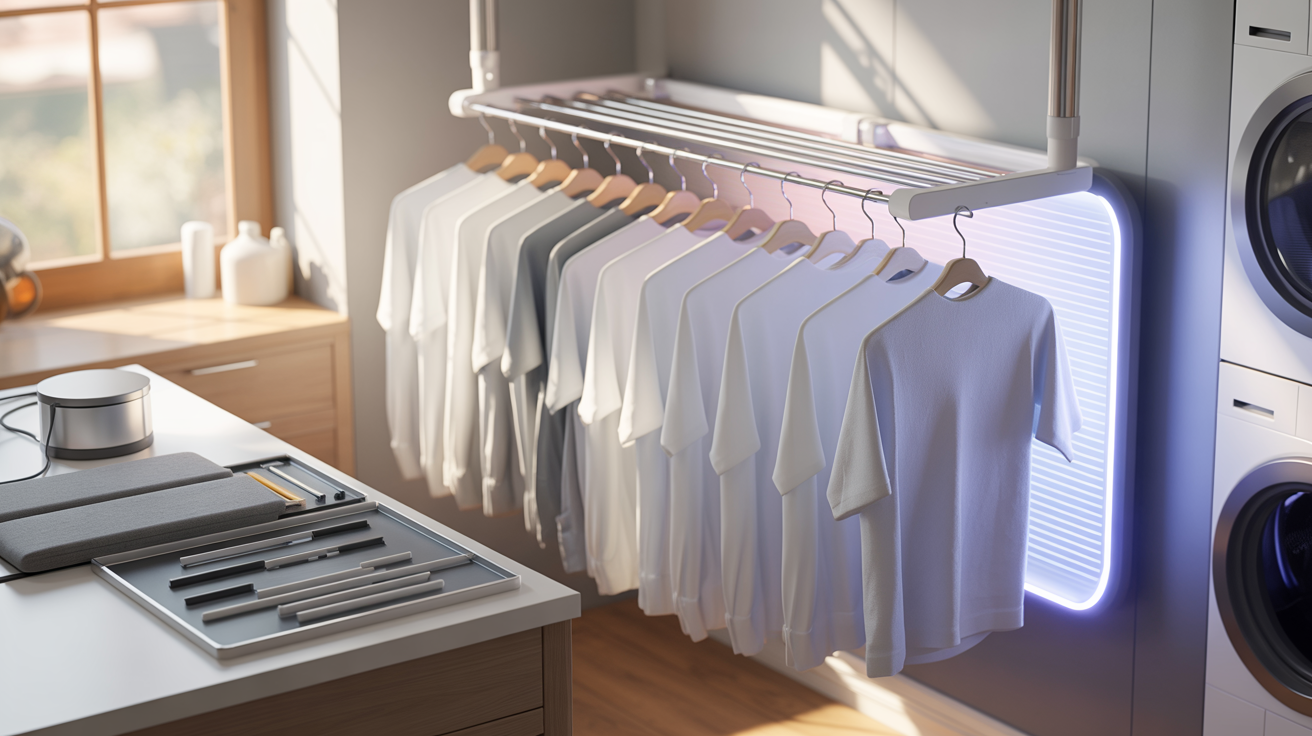
Table Of Contents
- Introduction
- Benefits of UV Sterilisation for Laundry
- What You'll Need: Materials and Tools
- Choosing the Right UV Components
- Step-by-Step Installation Guide
- Safety Considerations When Working with UV Light
- Troubleshooting Common Issues
- Maintenance and Longevity Tips
- Conclusion
In today's health-conscious world, ensuring your laundry is not just visually clean but also hygienically fresh has become increasingly important. While traditional laundry methods remove visible dirt, they often fall short in eliminating microscopic threats like bacteria, mold, and dust mites that can cause odors and potential health issues. UV sterilisation technology, long used in medical and professional settings, offers a powerful solution that's now accessible for home use.
This comprehensive guide will walk you through transforming your ordinary laundry rack into a bacteria-fighting station through a simple DIY retrofit. By adding UV sterilisation capabilities to your existing laundry setup, you'll enjoy cleaner, fresher clothes while protecting your family from hidden germs—all without breaking the bank on expensive commercial systems.
Whether you're a seasoned DIY enthusiast or a first-time tinkerer, our step-by-step instructions will help you successfully complete this practical home upgrade. Let's dive into how you can bring professional-grade sterilisation technology into your laundry routine with minimal investment and maximum results.
Benefits of UV Sterilisation for Laundry
Before diving into the technical aspects of this DIY project, it's worth understanding why UV sterilisation makes such a valuable addition to your laundry process:
Eliminates Microscopic Threats
UV-C light, the specific wavelength used in sterilisation, destroys the DNA structure of microorganisms including bacteria, viruses, mold spores, and dust mites. This makes it particularly effective for eliminating threats that regular washing might miss, especially in clothes washed at lower temperatures or delicate items that can't withstand hot water cycles.
Reduces Allergens
For allergy sufferers, UV sterilisation provides significant relief by neutralizing common allergens that can remain in fabrics even after washing. This is particularly beneficial for bedding, children's clothing, and items belonging to individuals with respiratory sensitivities or compromised immune systems.
Eliminates Persistent Odors
Athletic wear, work uniforms, and other garments that frequently encounter sweat and bacteria can develop persistent odors that regular washing fails to eliminate. UV light tackles these odors at their source by killing the bacteria that cause them, leaving your clothes genuinely fresh rather than simply masked with fragrance.
Chemical-Free Solution
Unlike additional detergents or fabric treatments, UV sterilisation adds no chemicals to your laundry process. This makes it ideal for sensitive skin and environmentally-conscious households looking to minimize their chemical footprint while maintaining high hygiene standards.
What You'll Need: Materials and Tools
Creating your UV-enhanced laundry rack requires specific components that balance effectiveness, safety, and practicality. Here's a comprehensive list of everything you'll need:
Essential Components
1. UV-C LED strips or bulbs: Look for products specifically designed for sterilisation (wavelength between 250-280nm)
2. Power supply: Appropriate for your chosen UV lights (typically 12V DC for LED strips)
3. Motion sensor or timer switch: To ensure UV lights operate only when needed and automatically turn off for safety
4. Aluminum reflector strips: To maximize UV coverage and efficiency
5. Wire connectors and electrical tape: For safe connections
6. Mounting brackets or adhesive strips: To secure components to your laundry rack
7. Clear UV-resistant plastic shields: To protect users from direct UV exposure
Tools Required
1. Screwdriver set: For mounting components and making adjustments
2. Wire cutters/strippers: For preparing electrical connections
3. Measuring tape: To ensure proper positioning of UV elements
4. Drill and bits: May be needed depending on your laundry rack material
5. Safety glasses and gloves: Essential protection when working with UV components
Before purchasing materials, measure your laundry rack thoroughly to determine the optimal quantity of UV elements needed for comprehensive coverage. Most home laundry racks will require 1-2 meters of UV LED strips or 2-3 UV bulbs strategically positioned. You can find quality components at electronics suppliers or through Smart Living's smart home collection, which offers reliable components at transparent pricing.
Choosing the Right UV Components
The effectiveness of your DIY UV sterilisation system depends significantly on selecting appropriate components. Here's what to consider when making your selections:
UV Light Source Options
There are two main options for your UV light source:
UV-C LED Strips: These are typically easier to install, more energy-efficient, and offer flexible positioning options. Look for strips with verified germicidal wavelengths (250-280nm) rather than decorative UV lights (which often produce UV-A that doesn't sterilize effectively). Quality LED strips will specify their exact wavelength and sterilisation capabilities in their specifications.
UV-C Bulbs: Traditional UV bulbs provide powerful, widespread sterilisation but require more careful handling and specific fixtures. They're often more affordable upfront but may consume more electricity and have shorter lifespans than LED options. If choosing bulbs, select those specifically designed for germicidal applications.
Power and Control Systems
Your UV system requires appropriate power delivery and safety controls:
Power Supply: Most UV-C LED strips operate on 12V DC power, requiring a converter from standard household AC power. Ensure your power supply has sufficient wattage capacity for your total LED strip length (typically 2-3 watts per foot of LED strip).
Timer or Motion Sensor: A timer allows you to set specific durations for UV operation, typically 15-30 minutes per sterilisation cycle. Alternatively, a motion sensor can automatically disable the system when someone approaches, providing an additional safety feature. Smart Living's appliance collection offers programmable timers that integrate perfectly with DIY projects like this one.
Safety Features
Safety should never be compromised when working with UV technology:
UV Shields: Clear plastic shields that block UV-C while allowing visible light to pass through are essential for preventing accidental exposure. These should be positioned to shield users from direct UV light while allowing maximum exposure to your laundry.
Automatic Shutoff: Consider incorporating a pressure switch or door sensor that automatically deactivates the UV system if the protective enclosure is opened or if someone enters the vicinity during operation.
When sourcing components, avoid the temptation of ultra-cheap generic products that may not provide effective sterilisation wavelengths or could pose safety risks. The difference between proper germicidal UV-C (254nm) and ineffective near-UV light can't be detected by the naked eye but makes all the difference in sterilisation effectiveness.
Step-by-Step Installation Guide
With all components gathered, you're ready to transform your regular laundry rack into a sterilisation station. Follow these detailed steps for a successful installation:
1. Plan Your Layout
Before making any physical modifications:
• Examine your laundry rack and identify optimal positions for UV components that will provide maximum coverage to hanging garments
• Sketch a simple diagram showing where each component will be placed
• Consider power source proximity and how wiring will be routed discreetly
• Plan the positioning of safety shields to protect users while allowing UV light to reach clothes
2. Prepare Your Laundry Rack
• Clean the rack thoroughly to ensure good adhesion for mounting components
• If working with a metal rack, check for sharp edges and file them down if necessary
• For wooden racks, determine whether pre-drilling will be needed for mounting hardware
• Create pathways for wiring that keep cables neat and protected from moisture
3. Mount the UV Light Sources
For LED Strips:
• Measure and cut strips to appropriate lengths for your rack (following manufacturer guidelines)
• Apply aluminum reflector strips to surfaces behind where LEDs will be mounted to increase efficiency
• Remove adhesive backing from LED strips and carefully apply to designated areas
• Secure with additional mounting clips if the adhesive alone seems insufficient
For UV Bulbs:
• Install bulb sockets according to manufacturer instructions
• Secure wiring with clips to prevent strain on connections
• Do not install actual bulbs until all wiring is complete
4. Install Control System
• Mount your timer or motion sensor in an accessible location
• Connect the control system to your power supply following the wiring diagram provided with your components
• For smart control options, install according to the specific requirements of your smart home system
• Test the control system's functionality before connecting to UV components
5. Complete Electrical Connections
• Connect UV light sources to your power supply through the timer/motion control
• Use wire connectors for all junctions, never leaving bare wires exposed
• Secure all wiring with electrical tape and cable management solutions
• Double-check all connections against your wiring diagram
6. Install Safety Shields
• Mount UV-resistant plastic shields to block direct exposure to UV light
• Position shields to allow maximum UV coverage of clothing while protecting users
• Secure all shield edges to prevent accidental exposure
• Apply safety warning labels to remind users about UV operation
7. Test the System
• Clear the area and ensure no one will be exposed during testing
• Activate the system for a short duration (30 seconds)
• Check that all UV elements illuminate properly
• Verify that timer/motion controls function as expected
• Test automatic shutoff features if installed
Safety Considerations When Working with UV Light
UV sterilisation is highly effective precisely because it's powerful enough to damage living cells. This makes safety protocols non-negotiable:
Understanding UV Exposure Risks
UV-C light can cause serious damage to eyes and skin with even brief exposure. Unlike sunburn from UV-A/B, UV-C damage may not be immediately apparent but can be more severe. Never look directly at operating UV lights or expose skin to direct UV-C light.
Essential Safety Measures
• Always disconnect power before maintaining or modifying your system
• Install clear signage indicating when the UV system is in operation
• Create physical barriers preventing accidental exposure
• Consider installing red indicator lights that illuminate when UV sterilisation is active
• If your system will be used in a household with children, install childproof switches or keep the control system out of reach
Operational Safety
Establish clear protocols for using your UV-enhanced laundry rack:
• Set timers for sterilisation to occur when the area is unoccupied
• Create a simple checklist for safe operation
• Train all household members on proper use and safety precautions
• Never override safety features like automatic shutoffs
With proper safety measures in place, your UV sterilisation system will provide hygienic benefits without risks. Smart office solutions from Smart Living include sensors and automated controls that can be adapted to enhance the safety of your DIY sterilisation system.
Troubleshooting Common Issues
Even with careful installation, you might encounter a few challenges with your DIY UV sterilisation system. Here's how to address the most common issues:
UV Lights Not Functioning
If your UV lights fail to illuminate:
• Check power connections at all junction points
• Verify that your power supply is operational and providing the correct voltage
• Inspect for any damaged wires or loose connections
• Test individual UV elements if possible to identify whether the issue is with specific components
• Check fuses or circuit breakers that may have tripped during installation
Uneven Sterilisation Coverage
If you notice some garments aren't receiving adequate UV exposure:
• Reposition UV elements to provide more comprehensive coverage
• Add additional reflective surfaces to redirect UV light to shadowed areas
• Consider adding more UV elements to improve coverage
• Adjust clothing placement instructions for users to ensure maximum exposure
Timer or Sensor Malfunctions
If your control system isn't operating correctly:
• Reset the timer or sensor according to manufacturer instructions
• Check for interference with motion sensors from nearby movement or light sources
• Verify that control system settings match your intended operation parameters
• Consider replacing with a higher-quality control component from Smart Living's collection if problems persist
Maintenance and Longevity Tips
To keep your DIY UV sterilisation system functioning effectively for years to come:
Regular Inspection Schedule
Establish a monthly maintenance routine:
• Check all UV elements for proper functioning
• Inspect wiring for any signs of wear or damage
• Test safety features to ensure they remain operational
• Clean dust from UV elements and reflective surfaces (with power disconnected)
Maximizing UV Element Lifespan
UV elements, particularly bulbs, have finite lifespans:
• Track usage hours to anticipate replacement needs
• Avoid unnecessary on/off cycling that can reduce component life
• Replace UV elements proactively according to manufacturer recommendations
• Keep spare elements on hand to avoid interruptions in sterilisation capabilities
System Upgrades
Consider these enhancements as you become more comfortable with your system:
• Add automation features like humidity sensors that activate sterilisation when moisture is detected
• Integrate with smart home systems for remote monitoring and control
• Install UV intensity indicators to monitor sterilisation effectiveness over time
• Explore energy efficiency improvements for more sustainable operation
With proper maintenance, your DIY UV sterilisation system should provide effective germ elimination for 3-5 years before major components require replacement. The investment in occasional maintenance will ensure continuous protection against harmful microorganisms in your laundry.
Conclusion
Adding UV sterilisation capabilities to your existing laundry rack represents a perfect blend of practical DIY ingenuity and modern hygiene technology. By following this comprehensive guide, you've transformed a simple drying rack into a powerful tool for eliminating harmful microorganisms from your family's clothing and linens.
The benefits extend beyond just cleaner laundry—you've created a system that helps protect vulnerable family members from pathogens, reduces allergens in your home, and eliminates persistent odors that traditional washing might miss. All this while avoiding the significant expense of commercial UV sterilisation systems that often cost hundreds or even thousands of dollars.
Remember that safety remains paramount when operating your DIY UV system. The protective measures outlined in this guide aren't optional—they're essential components that make this technology safe for household use. By respecting the power of UV-C light and implementing proper safeguards, you'll enjoy its benefits without risks.
As you use your enhanced laundry rack, you may discover additional modifications or improvements that work for your specific needs. The beauty of DIY projects lies in this customization potential—feel free to adapt and refine your system as you gain experience with it.
For those who appreciate the value of this DIY retrofit, Smart Living offers a range of other innovative household products designed with the same philosophy of premium quality at transparent prices. By eliminating traditional retail markups, their collection provides exceptional value for quality-conscious consumers.
Ready to explore more smart living solutions for your home? Visit Smart Living to discover our full range of premium everyday essentials at transparent, competitive prices. From innovative home solutions to practical office enhancements, we deliver exceptional quality without the retail markup.
发表评论