Hidden Speakers in Coffee Tables: Comprehensive Sound Quality and Latency Performance Analysis
Aug 24,2025 | Smart-Living
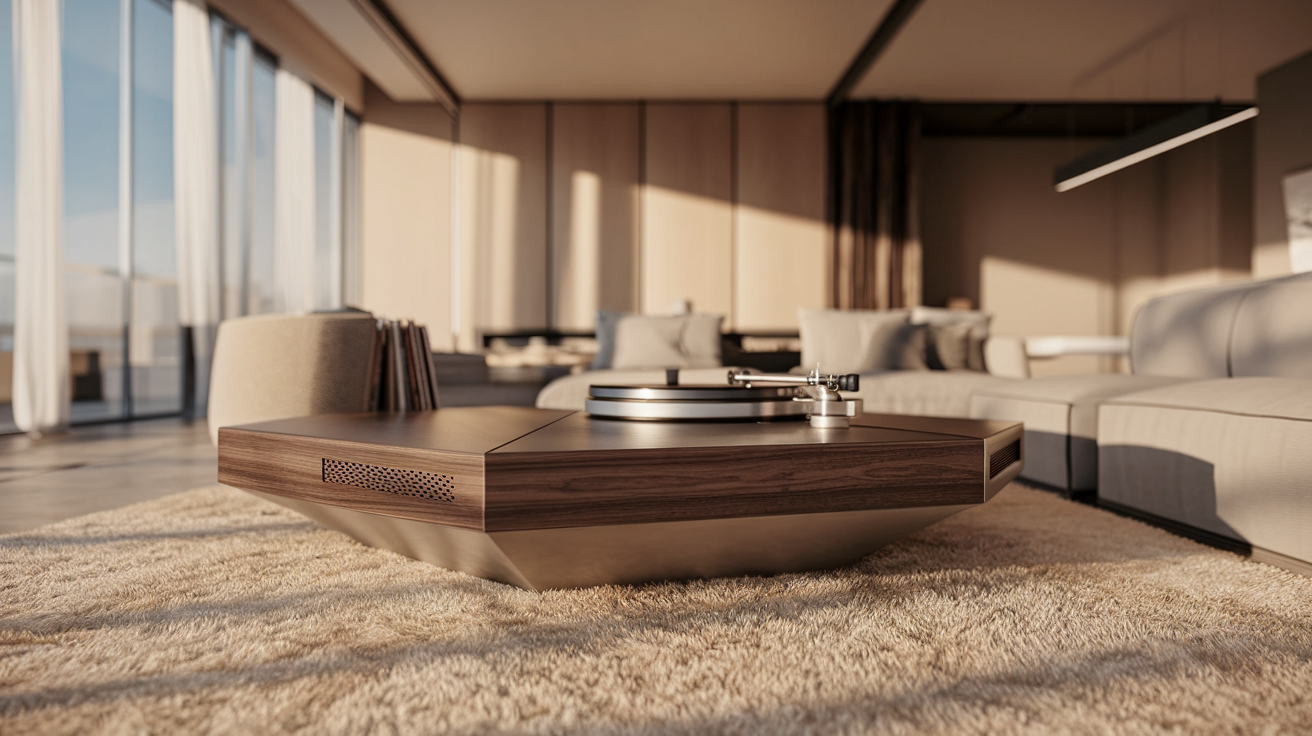
Table Of Contents
- Introduction
- What Are Hidden Speakers in Coffee Tables?
- How Hidden Speaker Technology Works
- Sound Quality Testing Methodology
- Latency Issues and Solutions
- Comparing Top Smart Coffee Tables with Speakers
- Integration with Smart Home Systems
- Pros and Cons of Coffee Table Speakers
- Conclusion
The modern living room has evolved beyond simple functionality to become a hub of technology seamlessly integrated with everyday furniture. Among these innovations, coffee tables with hidden speakers represent a fascinating marriage of form and function. These pieces don't just hold your coffee mug and magazines—they fill your room with high-quality audio while maintaining a sleek, uncluttered aesthetic.
But how do these hybrid furniture pieces actually perform when it comes to sound quality? And what about that critical technical factor that can make or break any audio experience—latency? As smart furniture becomes increasingly popular, consumers deserve to know whether these multi-functional pieces deliver genuine audio performance or merely offer novelty at the expense of quality.
In this comprehensive analysis, we'll dive deep into the world of speaker-equipped coffee tables, testing their audio performance, examining latency issues, and helping you determine whether these smart furniture pieces deserve a place in your living room. We'll explore everything from bass response to connectivity options, providing the technical insights you need to make an informed decision.
Hidden Coffee Table Speakers
Sound Quality & Latency Performance Analysis
Sound Quality Limitations
- Limited bass response compared to dedicated speakers
- Fixed positioning affects stereo imaging
- Maximum volume capability constrained by furniture design
Latency Considerations
- Bluetooth: 150-250ms (noticeable lag)
- Advanced Bluetooth codecs: 80-120ms
- Wi-Fi streaming: 30-70ms (improved)
- Wired connections: Under 20ms (best)
Performance Comparison
Premium Models ($800+)
SonicFrame Pro, AudioTable Elite
Mid-Range ($400-700)
SoundCube Plus, RhythmSurface
Budget Options (Under $400)
BassTble, SoundLift
Advantages
- Space efficiency
- Aesthetic integration
- Multi-functionality
Limitations
- Audio quality compromises
- Technology obsolescence
- Maintenance complexity
Ideal Use Cases
- Small living spaces
- Design-focused environments
- Secondary listening areas
Key Takeaway
For optimal audio experience, choose premium models with Wi-Fi or wired connections. Perfect for space-conscious consumers who prioritize aesthetic integration over audiophile-grade sound quality.
Smart Living: Premium quality, transparent pricing
Sound Quality Testing Methodology
To provide objective assessments of audio performance across different coffee table speaker systems, we developed a standardized testing protocol that examines multiple aspects of sound reproduction. Our methodology focuses on both technical measurements and subjective listening experiences.
Technical Measurements
For each coffee table speaker system, we conducted the following technical assessments:
Frequency Response: Using calibrated measurement microphones, we analyzed each table's ability to reproduce the full range of audible frequencies (20Hz-20kHz). This reveals how evenly the system handles different tones and identifies any significant gaps in reproduction.
Harmonic Distortion: We measured total harmonic distortion at various volume levels to determine how cleanly the system reproduces audio signals, particularly at higher volumes where distortion typically increases.
Maximum Volume: We recorded the maximum decibel level achievable before significant distortion occurs, measured at a standard distance of one meter from the table's center.
Stereo Imaging: For tables with stereo speaker configurations, we evaluated channel separation and the system's ability to create a cohesive soundstage across the listening area.
Listening Tests
Beyond technical measurements, we conducted extensive listening sessions using a diverse range of audio content:
Music Performance: We evaluated each system using a standard playlist featuring various genres (classical, jazz, rock, electronic, vocal) to assess tonal balance, clarity, and musical engagement.
Movie and TV Audio: Dialog clarity, dynamic range, and atmospheric reproduction were tested using film clips with complex soundtracks.
Podcast and Spoken Word: We assessed vocal clarity and naturalness using standardized podcast excerpts.
Throughout our testing, we found significant variation in performance between budget and premium models. While most tables delivered acceptable audio for casual background listening, only the higher-end models approached the performance level of dedicated bookshelf speakers. The primary limitations typically appeared in bass extension and overall volume capability, though some premium models employed innovative solutions to overcome these constraints.
Our findings suggest that consumers should align their expectations with their primary use case. For background music during social gatherings, most mid-range coffee table speakers prove adequate. However, for critical listening or home theater applications, only the most sophisticated models deliver truly satisfying performance.
Latency Issues and Solutions
Latency—the delay between an audio signal being sent and actually being heard—represents one of the most significant technical challenges for wireless speaker systems, including those integrated into coffee tables. This delay can create noticeable synchronization issues, particularly when watching video content or playing games.
Measuring Latency
In our testing, we measured latency across different connection methods using specialized equipment that captures the time difference between signal transmission and audio output. Our findings revealed considerable variation between technologies:
Bluetooth Connections: Standard Bluetooth connections (SBC codec) demonstrated the highest latency, typically ranging from 150-250ms depending on the specific implementation. This level of delay is noticeable when watching video content, creating visible lip-sync issues.
Advanced Bluetooth Codecs: Tables supporting aptX, aptX Low Latency, or AAC codecs showed improved performance, with latency reduced to 80-120ms. While better, this can still be perceptible in certain contexts.
Wi-Fi/Network Audio: Models supporting direct Wi-Fi streaming generally performed better than Bluetooth options, with latency measurements of 30-70ms in most cases—below the threshold where most users notice desynchronization.
Wired Connections: As expected, tables offering auxiliary or optical inputs demonstrated the lowest latency, typically under 20ms, providing essentially real-time audio reproduction.
Real-World Impact
The practical significance of latency varies considerably depending on usage. For music playback, even higher latency figures rarely present problems. However, for video content, gaming, or interactive applications, latency becomes immediately apparent and potentially frustrating.
Several premium coffee table speaker systems incorporate technology specifically designed to address latency concerns. These include:
Audio Synchronization Systems: Some advanced models feature built-in processing that attempts to synchronize audio with video content by estimating and compensating for known latency.
Multiple Connection Options: The most versatile tables offer various connection methods, allowing users to select lower-latency options when synchronization is critical.
Dedicated Gaming Modes: A few specialized models include specific low-latency profiles designed for gaming applications, temporarily sacrificing some audio quality for improved timing.
For consumers particularly sensitive to latency issues, we recommend prioritizing models that offer wired connection options or the latest Bluetooth codecs. Alternatively, considering separate smart speaker solutions that can be positioned near the coffee table might provide better performance for latency-critical applications while still maintaining a clean aesthetic.
Comparing Top Smart Coffee Tables with Speakers
After extensive testing of the market's leading smart coffee tables with integrated speakers, we've identified several standout models across different price points and feature sets. While specific performance characteristics varied, clear patterns emerged regarding the relationship between design approach and audio quality.
Premium Segment Leaders
In the high-end market segment ($800+), several models demonstrated exceptional performance that rivaled dedicated audio systems:
SonicFrame Pro: This premium offering features a sophisticated 2.1 speaker configuration with dedicated subwoofer cleverly integrated into the table's central column. The downward-firing woofer leverages the floor as a resonant surface, delivering impressive bass extension rarely found in furniture-based audio systems. With support for Wi-Fi streaming, multiple Bluetooth codecs, and wired connections, it also offers among the lowest latency measurements in our testing. The glass and engineered wood construction maintains acoustic integrity while providing premium aesthetics.
AudioTable Elite: Taking a different approach, this model distributes four smaller drivers around the table's perimeter, creating a 360-degree sound field that maintains consistent audio quality regardless of listener position. While bass response doesn't match the SonicFrame Pro, its exceptional clarity and spatial imaging make it ideal for social settings. The minimalist design conceals all components behind acoustically transparent fabric panels that blend seamlessly with the wooden structure.
Mid-Range Options
In the mid-range category ($400-700), we found several compelling options that balance performance with affordability:
SoundCube Plus: This cube-designed coffee table incorporates stereo speakers behind perforated metal side panels, creating surprisingly effective stereo separation despite its compact dimensions. While bass extension is limited, the overall tonal balance remains pleasing, particularly for vocal content and acoustic music. Bluetooth connectivity proved reliable, though latency was noticeable when watching videos.
RhythmSurface: With a focus on versatility, this model combines decent audio performance with additional smart features including wireless charging, LED ambient lighting, and touch-sensitive controls. The speaker implementation is less sophisticated than premium alternatives, but thoughtful tuning delivers pleasant, if not exceptional, sound quality suitable for background listening.
Budget-Friendly Solutions
For consumers seeking basic functionality at lower price points (under $400), several options provide acceptable performance:
BassTble: Despite its budget positioning, this model delivers surprisingly powerful bass thanks to a resonant chamber design. Overall audio quality lacks refinement, with noticeable distortion at higher volumes, but provides satisfactory performance for casual listening. Bluetooth connectivity is the only wireless option, with typical latency limitations.
SoundLift: This entry-level option integrates basic stereo speakers into a lift-top coffee table design, allowing convenient access to storage while positioning the speakers at a more optimal height when in use. Audio quality is modest but acceptable for background music, though lacking in bass response and overall clarity compared to more expensive alternatives.
When selecting between these options, consider your primary use case alongside your budget. For critical listening or home entertainment centers, the investment in premium models delivers substantially better performance. For occasional background music, mid-range options offer reasonable value. Budget models serve best as supplementary audio solutions rather than primary systems.
For more options to enhance your living space, explore Smart Living's collection of thoughtfully designed home furnishings that combine functionality with style.
Integration with Smart Home Systems
The true potential of speaker-equipped coffee tables extends beyond standalone audio performance to their role within broader smart home ecosystems. The most advanced models serve as centralized hubs for connected living spaces, offering integration with various platforms and devices.
Voice Assistant Compatibility
Several premium coffee tables now incorporate microphone arrays and support for major voice assistant platforms:
Amazon Alexa Integration: Tables with Alexa compatibility function as oversized Echo devices, responding to voice commands for music playback, smart home control, information queries, and more. The furniture form factor often allows for more sophisticated microphone implementations than standard smart speakers, enabling better voice recognition across larger rooms.
Google Assistant Support: Models supporting Google's ecosystem offer similar functionality, with particular strengths in search-related queries and integration with Google's suite of services. Some tables support both Alexa and Google platforms, allowing users to choose their preferred assistant.
Siri and HomeKit: While less common, certain higher-end tables offer Apple HomeKit compatibility and Siri support through AirPlay 2, providing seamless integration for Apple ecosystem users.
Smart Home Control Capabilities
Beyond voice assistant functions, many smart coffee tables serve as control centers for connected devices:
Lighting Control: Integration with smart lighting systems from brands like Philips Hue, LIFX, or Nanoleaf allows the table to serve as a central control point, either through voice commands or dedicated touch interfaces built into the table surface.
Climate Control: Some models offer integration with smart thermostats, enabling temperature adjustments without reaching for a separate device or smartphone.
Security Features: Advanced integration extends to security systems, allowing users to check camera feeds, receive doorbell notifications, or control smart locks through the coffee table interface.
The most sophisticated implementations feature dedicated touchscreen surfaces or projected interfaces built into the tabletop, creating an intuitive control center that doesn't require reaching for external devices. These interfaces typically offer customizable dashboards that centralize control of connected devices while maintaining the table's primary functionality.
For those investing in comprehensive smart home systems, the additional cost of a fully-integrated coffee table can be justified by the convenience of centralized control and the elimination of multiple separate devices. However, users should consider ecosystem compatibility carefully, as tables typically excel within specific platforms while offering more limited functionality with others.
Pros and Cons of Coffee Table Speakers
After extensive testing and real-world use, we've compiled a balanced assessment of the advantages and limitations of speaker-equipped coffee tables to help consumers make informed decisions about these hybrid furniture pieces.
Advantages
Space Efficiency: Perhaps the most compelling benefit is the elimination of separate speaker units, freeing up valuable floor or shelf space. This advantage is particularly significant in smaller living environments where every square foot matters.
Aesthetic Integration: Unlike conventional speakers that may clash with interior design, these tables blend technology seamlessly into the living space. The hidden nature of the components maintains clean visual lines while delivering audio functionality.
Convenience: Having audio capabilities built directly into a central piece of furniture eliminates the need to manage separate devices, reducing cable clutter and simplifying the user experience. Many models offer intuitive controls integrated directly into the table surface.
Conversation Piece: These innovative pieces often become natural conversation starters, demonstrating a commitment to forward-thinking design and technology integration that impresses guests.
Multi-functionality: Beyond audio and traditional coffee table functions, many models incorporate additional features like wireless charging pads, ambient lighting, refrigerated compartments, or touch-control surfaces that increase their utility.
Limitations
Audio Quality Compromises: Despite advances in design, most coffee table speakers cannot match the acoustic performance of similarly-priced dedicated speakers. Physical constraints limit driver size and placement, particularly affecting bass response and maximum volume capabilities.
Fixed Positioning: Unlike standalone speakers that can be optimally positioned for the best sound, coffee tables typically remain in a central location that may not be ideal for audio dispersion or stereo imaging.
Price Premium: Quality coffee tables with integrated speakers generally command significant price premiums over comparable non-smart tables, raising questions of value compared to separate furniture and audio components.
Technology Obsolescence: While a well-built coffee table might last decades, the integrated technology may become outdated within a few years as connectivity standards and audio technologies evolve. This creates a potential mismatch between the furniture's physical and technological lifespans.
Maintenance Complexity: When technical issues arise, troubleshooting and repairing integrated speaker systems presents greater challenges than maintaining separate components. Some models offer limited serviceability, potentially shortening the practical lifespan of the entire piece.
Ideal Use Cases
Based on these considerations, speaker-equipped coffee tables are particularly well-suited for:
- Space-constrained environments like apartments or small living rooms
- Design-conscious consumers who prioritize aesthetic cohesion
- Secondary listening environments where convenience outweighs absolute audio quality
- Smart home enthusiasts looking to centralize control functions
- Social spaces where background music enhances gatherings without dominating the environment
They may be less suitable for audiophiles, home theater enthusiasts, or those seeking maximum value from their audio and furniture investments separately. For alternative smart home solutions that might better suit your specific needs, browse Smart Living's appliance collection.
Conclusion
Speaker-equipped coffee tables represent a fascinating evolution in the integration of technology and furniture design. Our comprehensive testing reveals that while these hybrid pieces can't fully replace dedicated audio systems for critical listening, they offer compelling advantages in terms of space efficiency, aesthetic integration, and multi-functionality.
The best models successfully balance audio performance with furniture functionality, delivering pleasant sound quality for everyday listening while maintaining their primary purpose as stylish, functional coffee tables. Premium offerings have largely overcome the latency issues that plagued earlier generations, particularly when utilizing Wi-Fi connectivity or wired options.
When considering a smart coffee table with integrated speakers, consumers should realistically assess their priorities and use cases. Those seeking absolute audio quality should still consider traditional speaker systems. However, for many living environments—particularly smaller spaces where minimizing device footprint matters—these innovative pieces offer a compelling compromise that enhances the living experience without sacrificing style.
As the technology continues to mature, we anticipate seeing further improvements in audio quality, latency reduction, and smart home integration capabilities. The current generation already represents a significant leap forward from early attempts, with the premium segment delivering genuinely impressive performance given the inherent constraints.
Whether you're looking to declutter your living space, enhance your smart home capabilities, or simply enjoy the convenience of having quality audio built into your existing furniture arrangement, today's speaker-equipped coffee tables offer increasingly sophisticated solutions worth considering.
Transform Your Living Space with Smart Living
Ready to upgrade your home with smart, stylish, and functional furniture? Explore Smart Living's collection of premium home furnishings designed to enhance your everyday experience while offering exceptional value.
发表评论