How to Measure for a Sliding Door Wardrobe: Complete Guide & Free Template
Oct 06,2025 | Smart-Living
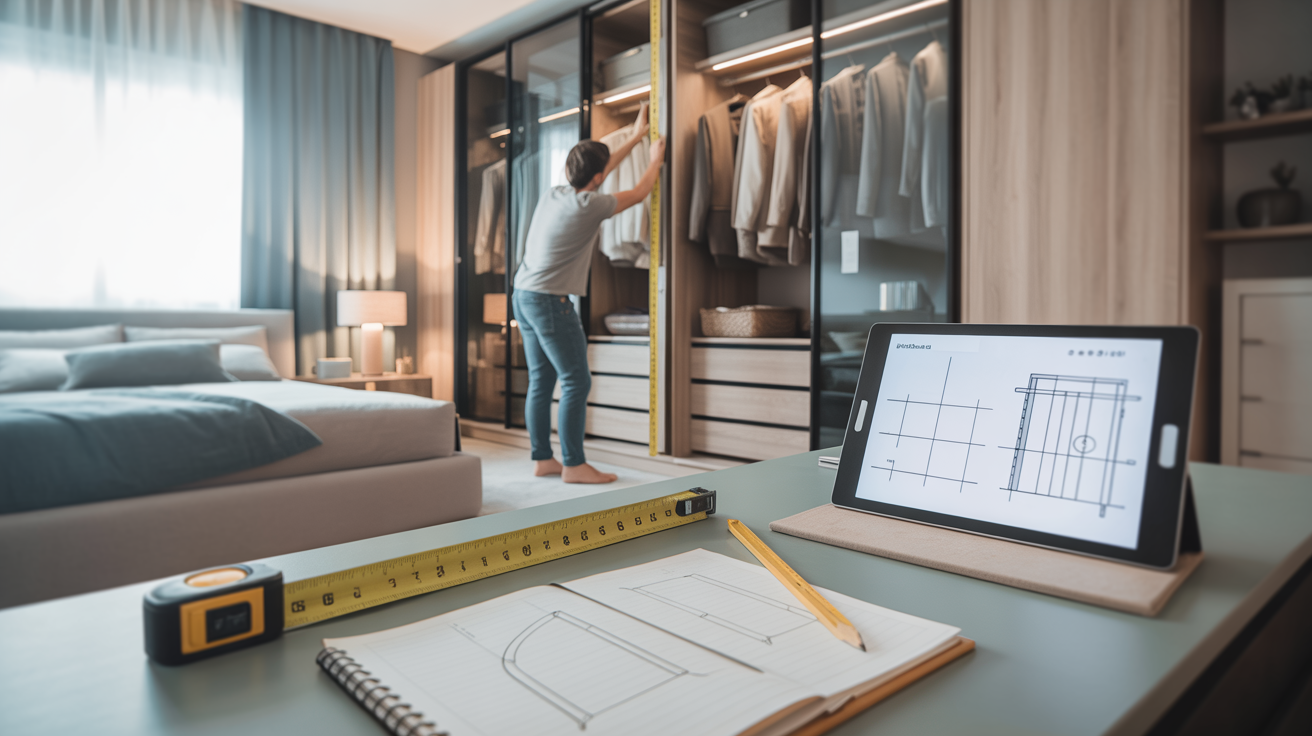
Table Of Contents
- Introduction
- Why Accurate Measurements Matter
- Tools You'll Need
- Step-by-Step Measurement Guide
- Handling Obstacles and Irregularities
- Free Measurement Template
- Common Measurement Mistakes to Avoid
- Conclusion
Planning to install a sliding door wardrobe in your home? Whether you're ordering a custom-built wardrobe or installing a ready-made system, accurate measurements are the foundation of a successful project. Nothing is more frustrating than receiving your beautiful new sliding door wardrobe only to discover it doesn't fit your space correctly.
At Smart Living, we understand the importance of precision when it comes to home furnishings. That's why we've created this comprehensive guide to help you measure correctly for your sliding door wardrobe. With our step-by-step instructions and free downloadable template, you'll have all the tools you need to ensure a perfect fit for your new storage solution.
Taking accurate measurements might seem straightforward, but even small errors can lead to significant problems with your wardrobe installation. Let's ensure you get it right the first time, saving you time, money, and potential headaches down the line.
Why Accurate Measurements Matter
Before we dive into the measuring process, let's understand why precision is so crucial when planning for a sliding door wardrobe:
Perfect Fit and Functionality: Sliding door wardrobes work best when they're perfectly sized for your space. Even a few centimeters off can affect how smoothly the doors operate or how well the unit fits against your walls.
Maximized Storage Space: Accurate measurements help you make the most of your available space, especially in bedrooms where every centimeter counts. A properly sized wardrobe maximizes your storage potential without wasting valuable floor area.
Cost Efficiency: Custom wardrobes are built to your specifications, and modifications after production can be costly or sometimes impossible. Getting the measurements right the first time avoids expensive alterations or replacements.
Aesthetic Appeal: A wardrobe that's proportional to your room creates visual harmony. Too large, and it overwhelms the space; too small, and it looks out of place. Precise measurements ensure your wardrobe complements your room's dimensions and style.
Tools You'll Need
Gathering the right tools before you start will make the measuring process much smoother. Here's what you'll need:
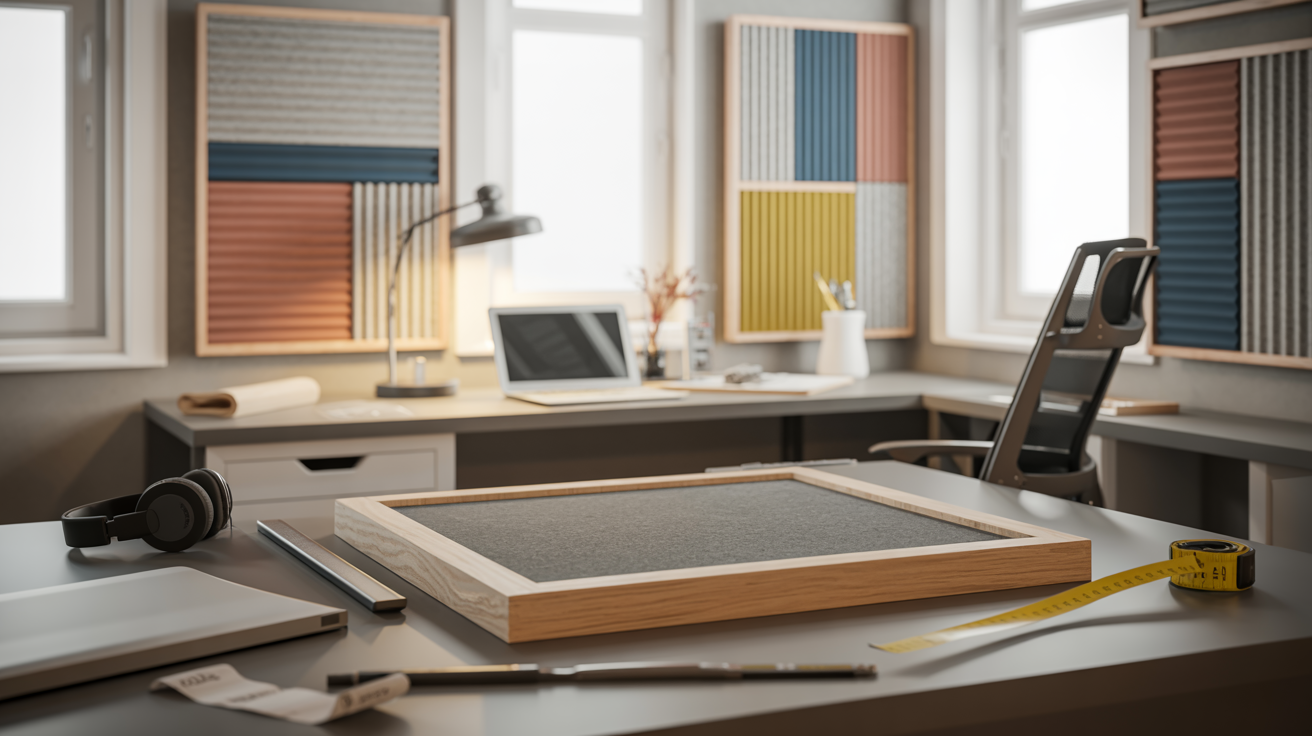
Tape Measure: A good quality, metal tape measure that extends at least 3 meters is essential. Fabric or flexible tape measures can stretch and provide inaccurate readings.
Spirit Level: This helps ensure your measurements are perfectly horizontal and vertical, which is crucial when your floors or walls aren't perfectly level (as is common in many homes).
Pencil and Paper: For noting down measurements as you go. Alternatively, you can use our free downloadable template to record everything systematically.
Helper (Optional): While not essential, having someone assist you can make measuring larger spaces easier and more accurate, especially when extending a tape measure across long distances.
Laser Measure (Optional): If you have access to one, a laser measure can provide highly accurate readings, especially for hard-to-reach areas.
Step-by-Step Measurement Guide
Now that you understand the importance of accurate measurements and have the necessary tools, let's walk through the process of measuring for your sliding door wardrobe:
Measuring the Width
The width measurement is perhaps the most critical dimension for your sliding door wardrobe. Here's how to get it right:
Step 1: Identify exactly where you want your wardrobe to be positioned. If it's going into an alcove or specific wall section, measure the width at three different heights: near the floor, at the middle, and near the ceiling.
Step 2: Record the smallest measurement from these three readings. This accounts for any inconsistencies in your wall structure and ensures your wardrobe will fit even at the narrowest point.
Step 3: If your wardrobe will stand against a flat wall rather than in an alcove, simply decide how wide you want it to be based on your available space and storage needs.
Important Note: Allow for a small gap (approximately 5-10mm) on each side of the wardrobe to account for wall irregularities and to ensure the unit can be properly leveled during installation.
Measuring the Height
Getting the height right is essential, especially when dealing with ceiling constraints or architraves:
Step 1: Measure from the floor to the ceiling at the leftmost and rightmost points where your wardrobe will stand. If you don't want the wardrobe to extend all the way to the ceiling, measure to your desired height.
Step 2: Record the lowest measurement to ensure your wardrobe will fit beneath any unevenness in the ceiling.
Step 3: Check for any obstacles like light switches, power outlets, radiators, or air vents that might interfere with the wardrobe placement.
Ceiling Considerations: If your ceiling is very high, you may want to leave a gap between the top of the wardrobe and the ceiling. Typically, standard wardrobe heights range from 2000mm to 2400mm, but custom options can be created for unique spaces.
Measuring the Depth
The depth of your wardrobe determines how much it will project into the room:
Step 1: Decide how far you want your wardrobe to extend into the room. Standard depths typically range from 600mm to 650mm for wardrobes with hanging space, but can be as shallow as 500mm if you're tight on space.
Step 2: Ensure there's sufficient clearance for the sliding doors to operate properly. Unlike hinged doors, sliding doors don't require space to swing open, but you'll still need room to stand in front of the wardrobe comfortably.
Step 3: Consider what you'll be storing in the wardrobe. If you plan to hang long items like coats or dresses, ensure your depth is adequate to accommodate them without crushing.
Door Clearance Note: Remember that sliding doors overlap, so not all of the wardrobe interior will be accessible at once. Factor this into your organization plans.
Handling Obstacles and Irregularities
Most spaces present some challenges when installing furniture. Here's how to address common issues:
Skirting Boards: If you're installing against a wall with skirting boards, you have two options: remove the skirting where the wardrobe will stand, or measure from the protruding face of the skirting rather than the wall itself. This may mean your wardrobe stands slightly proud of the wall above the skirting.
Sloped Ceilings: For loft rooms or spaces with angled ceilings, measure the height at the highest and lowest points where the wardrobe will stand. You may need a custom-designed wardrobe that follows the ceiling's contour.
Wall Irregularities: Old homes often have walls that aren't perfectly straight. If you notice significant bowing or irregularity, measure at multiple points and note the variations. You may need to account for these during installation or choose a freestanding unit rather than a built-in option.
Coving/Crown Molding: If your room has decorative coving where the wall meets the ceiling, decide whether you want to remove it where the wardrobe will stand or stop the wardrobe below it. Measure accordingly based on your decision.
Free Measurement Template
To make the process even easier, we've created a free downloadable measurement template that guides you through each step and provides a structured way to record your measurements.
Our template includes:
Detailed Diagrams: Visual references showing exactly where to take each measurement
Multiple Measurement Points: Space to record measurements at various positions to account for irregularities
Checklist: A comprehensive list of factors to consider, from obstacles to lighting
Notes Section: Space to record any special considerations or unique features of your space
Using this template ensures you won't overlook any crucial measurements and provides a clean, organized record that you can refer to when ordering or designing your sliding door wardrobe.
Download our free sliding door wardrobe measurement template here
Common Measurement Mistakes to Avoid
Even with careful attention, certain measurement errors occur frequently. Being aware of these can help you avoid them:
Measuring Only Once: Always measure each dimension at least twice to confirm your readings. The old carpenter's adage "measure twice, cut once" applies perfectly here.
Forgetting About Doors and Windows: Ensure your wardrobe placement doesn't block the full opening of nearby doors or windows. Consider the swing arc of doors and any window opening mechanisms.
Not Accounting for Baseboards or Moldings: These can affect how flush your wardrobe sits against the wall. Either plan to remove them or factor them into your measurements.
Ignoring Floor Unevenness: Floors that slope or have significant irregularities can affect how level your wardrobe sits and how well the doors operate. Use a spirit level to check floor evenness across the entire footprint where the wardrobe will stand.
Failing to Consider Lighting: Think about how the wardrobe might block natural light or existing lighting fixtures, and plan accordingly. You might want to incorporate LED lighting into your wardrobe design if it will be positioned in a way that reduces room illumination.
By avoiding these common pitfalls, you'll set yourself up for a much smoother wardrobe installation process with results that meet your expectations perfectly.
Looking for inspiration for your new wardrobe? Explore our collections to see how a well-designed storage solution can transform your space:
Smart Living Collection | Smart Home Solutions | Smart Office Organization | Smart Appliances
Conclusion
Taking accurate measurements for your sliding door wardrobe is a crucial step that sets the foundation for a successful installation. With the detailed guide we've provided and our free measurement template, you now have all the tools you need to approach this task with confidence.
Remember that precision at this stage saves significant headaches later. A few extra minutes spent double-checking your measurements can prevent costly mistakes and ensure your new wardrobe fits perfectly in your space.
At Smart Living, we believe quality furnishings shouldn't come with premium price tags. Our direct-to-consumer model allows us to offer exceptional sliding door wardrobes and other home essentials at transparent, competitive prices. When you're ready to move forward with your wardrobe project, we're here to help you find the perfect solution for your needs and space.
Whether you're planning a complete bedroom overhaul or simply updating your storage options, a well-measured, perfectly fitted sliding door wardrobe will enhance both the functionality and aesthetics of your home for years to come.
Ready to transform your storage space with a perfectly fitted sliding door wardrobe?
Browse our collection of premium quality wardrobes at transparent, competitive prices.
Explore Smart Living Wardrobes发表评论