How to Spot High-Density Foam in Sofas: Expert Video Scanning Guide
Jul 26,2025 | Smart-Living
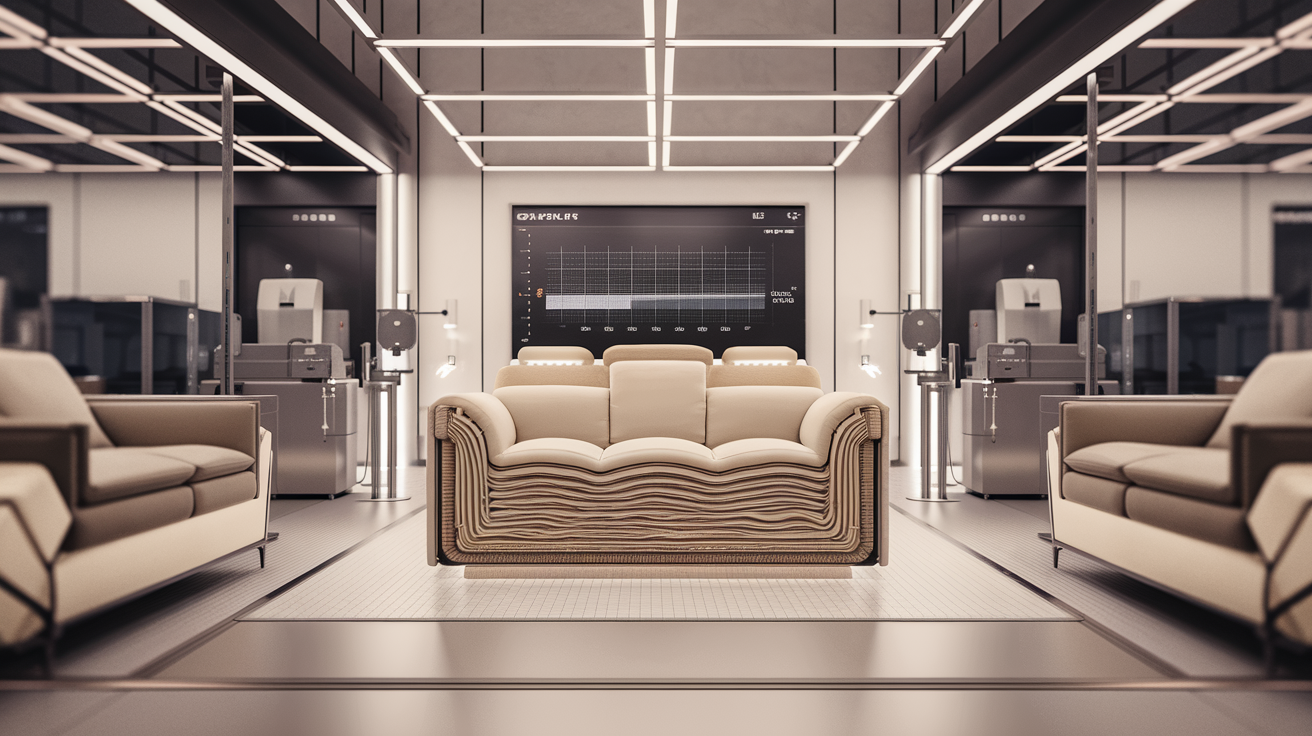
Table Of Contents
Investing in a new sofa is a significant decision that affects both your comfort and your living space's aesthetics for years to come. While many factors influence this purchase—style, size, and color among them—the quality of the foam used in cushioning arguably has the most direct impact on your daily comfort and the furniture's longevity. Unfortunately, it's also one of the hardest quality factors to assess, especially when shopping online or viewing display models.
Enter video scanning—a methodical approach to documenting and analyzing the foam quality of sofas before purchase. This technique allows you to capture detailed evidence of a sofa's construction and performance under pressure, revealing the true nature of its foam density when marketing claims might be misleading.
In this comprehensive guide, we'll walk you through exactly how to use video scanning to identify high-density foam in sofas, from the equipment you'll need to the specific tests that reveal foam quality. Whether you're shopping in a showroom or assessing a secondhand piece, these techniques will help ensure you're investing in furniture that delivers genuine value and lasting comfort.
Why High-Density Foam Matters
Before diving into detection methods, it's essential to understand why high-density foam deserves your attention. High-density foam isn't just a premium feature—it's a fundamental component that determines how your sofa will perform over time.
Higher density foam contains more material and less air per cubic foot, creating a firmer, more supportive seat that maintains its shape. When you sit on high-density foam, it compresses evenly without bottoming out, providing consistent support that aligns your posture properly. This structural integrity translates directly to longevity—while low-density foam might start sagging within months, quality high-density foam can maintain its resilience for 10+ years.
The density of foam also affects comfort in ways that aren't immediately obvious. Higher density doesn't necessarily mean harder—in fact, well-crafted high-density foam can offer the perfect balance of softness and support. The initial feel might be firmer than low-quality alternatives, but this firmness translates to better weight distribution and reduced pressure points over extended sitting periods.
From a financial perspective, sofas with high-density foam typically command higher prices upfront, but this initial investment typically results in significant long-term savings. When you consider the cost over the lifespan of the furniture, high-density foam provides substantially better value—precisely the kind of quality-for-price proposition that aligns with Smart Living's approach to home furnishings.
Understanding Foam Density Ratings
Foam density is typically measured in pounds per cubic foot (PCF), indicating how much one cubic foot of the foam weighs. This measurement provides a standardized way to evaluate and compare foam quality across different manufacturers.
For residential sofas, foam density typically ranges from 1.5 PCF to 2.5+ PCF. Here's a general breakdown of what these numbers mean for your furniture:
Low-density foam (1.5-1.8 PCF): Usually found in budget furniture, this foam compresses easily and will lose its shape relatively quickly, typically within 1-3 years of regular use. It may feel soft and comfortable initially but lacks long-term resilience.
Medium-density foam (1.8-2.2 PCF): This represents a middle ground in quality and is commonly used in mid-range furniture. With proper care, medium-density foam can maintain its shape for 3-6 years before showing significant wear.
High-density foam (2.2+ PCF): Premium furniture features this level of foam density. At 2.5 PCF and above, you're looking at commercial-grade foam that can maintain its structure and comfort for 7-10+ years, even with daily use.
It's worth noting that many manufacturers use a combination of foam densities in different parts of the sofa. The seat cushions might contain higher density foam, while armrests and backs might use medium or lower density options. This strategic approach balances comfort, support, and cost—but requires a discerning eye to evaluate properly.
Video Scanning Techniques
Video scanning allows you to document and later analyze a sofa's foam quality with precision. Unlike still photos or relying on memory, video captures dynamic interactions with the furniture, revealing how the foam responds to pressure—a key indicator of its density and quality.
Equipment Needed
To properly conduct a video scan of sofa foam, you'll need:
Smartphone with a decent camera: Most modern smartphones offer sufficient video quality for this purpose. Ensure your phone has adequate storage space and battery life before beginning.
Small flashlight: A pocket-sized LED flashlight can help illuminate the interior construction of the sofa when examining exposed areas.
Measuring tape: For documenting cushion dimensions before and after compression tests.
A helper (optional but recommended): Having someone assist can make the process more efficient—one person can handle the recording while the other performs the tests.
For more advanced assessment, consider adding a small kitchen scale (to weigh cushions if removable) and a stopwatch app for timing recovery tests precisely.
Preparation Steps
Before you begin recording, take these preparatory steps to ensure an effective video scan:
First, ensure good lighting in the area where you're examining the sofa. Natural daylight is ideal, but consistent, bright indoor lighting works well too. Position yourself to avoid casting shadows over the areas you're testing.
Next, prepare a systematic approach to your examination. Plan to scan the sofa from left to right, testing each seat cushion individually and then moving to back cushions and armrests.
If possible, remove any cushion covers or unzip them partially to examine the foam directly. This step isn't always feasible in showrooms but can be very revealing when possible. Make note of any resistance from sales staff when asking to examine cushion construction—reluctance often signals concerns about quality.
Finally, before recording, verbally note the manufacturer, model, and price point of the sofa on video. This information provides important context for later analysis, especially if you're comparing multiple options.
The Compression Test
The compression test is the centerpiece of your foam density evaluation. Here's how to perform and record it effectively:
Begin recording video and state the specific cushion you're testing (e.g., "left seat cushion, front edge"). Position your camera to capture both the cushion's surface and its side profile simultaneously if possible.
Apply firm, even pressure with your hand to the cushion, pushing down with moderate force. High-density foam will offer significant resistance and compress less than lower-density alternatives. Notice how quickly the foam gives way under pressure and how much total compression occurs.
For seat cushions, perform the compression test in three positions: front edge, middle, and back of the cushion. Many manufacturers use firmer foam at the front edge (where most sitting weight is distributed) and softer foam elsewhere—this test will reveal such construction differences.
For a more standardized test, try the "knuckle test" while recording: press your knuckle into the foam with moderate pressure. In high-density foam, your knuckle should make only a shallow indentation that quickly disappears when pressure is removed.
The Recovery Test
How quickly foam recovers from compression is as important as its initial resistance. The recovery test measures this crucial quality indicator:
While still recording, apply firm pressure to the cushion for approximately 30 seconds. Use your full hand with even pressure to create a significant depression in the foam.
Quickly remove your hand and continue recording as the foam recovers. High-density foam will spring back almost immediately, while lower-density foam will recover more slowly, sometimes taking several seconds to return to its original shape.
For even more revealing results, sit on the sofa cushion for 2-3 minutes, then stand up while recording the cushion's recovery. This simulates actual use conditions and provides a more accurate picture of the foam's performance.
Pay particular attention to any creasing or surface deformation that remains after pressure is removed. Quality high-density foam should return to a smooth, even surface with minimal visible compression marks.
Visual Clues to Spot Quality Foam
Beyond compression testing, your video scan should capture visual indicators of foam quality that might not be immediately apparent:
Examine cushion edges for consistent firmness. Lower-quality sofas often have softer edges that compress more easily than the center. Run your hand along the perimeter of each cushion while recording to document edge support quality.
Look for quilting or tufting patterns on cushions. While aesthetically pleasing, excessive tufting can sometimes mask lower-density foam by creating an impression of structure where little exists. Record close-ups of these features and test compression around them.
If possible, examine the foam directly by looking under cushions or through zippers. High-density foam typically has a more uniform cell structure with smaller air pockets, appearing more solid and less porous than lower-density alternatives. Capture this texture on video for later analysis.
Pay attention to cushion weight if you can lift them. Heavier cushions generally indicate higher density foam (although down-wrapped cushions can also be heavy for different reasons). When removing cushions, note and record their weight and how they hold their shape when handled.
These visual assessments complement the compression tests and provide additional verification of foam quality that might not be captured through pressure testing alone.
Common Deceptions to Watch For
As you conduct your video scan, be vigilant for common techniques used to disguise lower-quality foam:
Some manufacturers place a thin layer of high-density foam on top of lower-density foam in the cushions. This creates an initially firm feel that quickly degrades with use. To detect this, press deeply into cushions while recording, noting if you feel a significant change in resistance as you push deeper.
Watch for overstuffed cushion covers, which can create an impression of firmness that comes from tight upholstery rather than foam density. Look for excessive wrinkling when pressing on cushions—high-density foam will compress without causing significant surface wrinkling of the fabric.
Be wary of display models that feel unusually firm. Some showroom pieces receive special treatment or contain different materials than what will be delivered to customers. Ask specifically if the floor model represents the exact construction of purchase models.
Check for "comfort layer" marketing language without specific density information. Terms like "plush comfort layer" or "cloud cushioning" without accompanying density specifications often indicate lower-quality foam hidden beneath strategic marketing.
Your video documentation of these elements provides valuable evidence that can be reviewed later when making your purchase decision, away from sales pressure or showroom lighting that might mask these issues.
Analyzing Your Video Results
After collecting your video footage, take time to analyze it methodically:
Review your videos in a quiet environment where you can focus on the details. Watch each compression and recovery test multiple times, comparing different sections of the sofa against each other and against other models you've recorded.
Create a simple scoring system for each tested area, rating compression resistance and recovery time on a scale of 1-5. This provides a standardized way to compare different sofas or different sections of the same sofa.
Pay particular attention to inconsistencies across the sofa. High-quality pieces will show relatively uniform compression and recovery across all cushions, while lower-quality options might have noticeable variations.
Consider the context of your findings relative to the sofa's price point and manufacturer claims. A moderately-priced sofa with consistent medium-density foam throughout might represent better value than an expensive option with high-density foam only in select areas.
Remember that your smart home environment deserves furniture that maintains its quality and appearance over time. The insights gained from your video analysis can help you make a purchase decision aligned with long-term value rather than immediate impression.
For additional examination, you might want to consider how your selected furniture will integrate with your smart office setup or how it complements your other smart appliances in creating a cohesive living space that balances quality with value.
Conclusion
Video scanning provides an invaluable tool for assessing sofa foam quality beyond what manufacturers might claim in their specifications. By thoroughly documenting compression resistance, recovery time, and visual indicators, you create objective evidence that can guide your purchase decision long after the showroom visit has ended.
High-density foam represents one of the most significant factors in sofa longevity and comfort, yet it's also one of the easiest elements for manufacturers to compromise on without immediate detection. The techniques outlined in this guide empower you to see past marketing claims and evaluate true quality.
Remember that even the most attractive sofa will become a disappointment if its cushions begin to sag within months of purchase. By investing a small amount of time in proper foam assessment through video scanning, you're protecting a significant furniture investment and ensuring your living space remains comfortable for years to come.
Quality furniture that maintains its structure and comfort aligns perfectly with the Smart Living philosophy—obtaining premium products at fair prices by understanding what truly matters in construction and materials. When you know how to identify high-density foam, you can make confident decisions that balance immediate cost with long-term value.
Ready to find furniture that offers genuine quality and value? Visit Smart Living today to explore our curated collection of premium home essentials at transparent prices. Our direct-to-consumer model eliminates middlemen markups, ensuring you get exceptional quality without the premium price tag.
发表评论