Is Expensive Furniture Worth It? Analyzing the 5-Year Cost of Ownership
Aug 27,2025 | Smart-Living
Table Of Contents
- Introduction
- Initial Investment: Premium vs Budget Furniture
- Factors Affecting Furniture Lifespan
- The Hidden Costs of Ownership
- Calculating the 5-Year Cost of Ownership
- The Smart Living Approach: Value Without Compromise
- Making the Right Investment: Key Considerations
- Conclusion
When furnishing your home, you'll inevitably face the dilemma: should you invest in that stunning premium sofa that costs three times more than the budget alternative? Is that handcrafted dining table really worth the price tag when a similar-looking option is available for much less?
These questions go beyond simple price comparisons. To truly understand whether expensive furniture is worth it, we need to analyze the complete cost of ownership over time—not just the upfront price you pay at checkout.
In this comprehensive guide, we'll examine the true 5-year cost of owning furniture at different price points. We'll break down how materials, construction quality, maintenance requirements, and other factors affect the long-term value of your furniture investment. By the end, you'll have the knowledge to make informed decisions about where to invest and where you might be better off saving when furnishing your home.
Is Expensive Furniture Worth It?
The True 5-Year Cost of Ownership Analysis
When deciding between premium and budget furniture, the initial price tag doesn't tell the whole story. This analysis reveals the true cost of ownership over time.
Budget Sofa
$800
Lifespan: 3-5 years
Materials: Particleboard, bonded leather, standard foam
Repairs: Often not economical to repair
Resale Value: Minimal to none
5-Year Cost Breakdown:
Premium Sofa
$2,500
Lifespan: 15+ years
Materials: Solid hardwood, full-grain leather, high-resilience foam
Repairs: Designed to be repairable and reupholstered
Resale Value: 20-30% after 10 years
5-Year Cost Breakdown:
Key Insights: Looking Beyond the Price Tag
Hidden Costs
Budget furniture often requires more frequent replacement, adding delivery fees, disposal costs, and shopping time.
Quality Indicators
Look for hardwood frames, high-resilience foam, quality joinery (dovetail, mortise-and-tenon), and eight-way hand-tied springs.
Smart Investment
Invest more in high-use "backbone" pieces like sofas, beds, and dining tables. Save on accent pieces and occasional furniture.
15-Year Cost Projection
Over 15 years, the cost difference narrows substantially while premium furniture provides better comfort, aesthetics, and sustainability.
The Smart Living Advantage
Get premium quality without premium pricing. Smart Living works directly with original design manufacturers to eliminate retail markups.
Initial Investment: Premium vs Budget Furniture
The most obvious difference between premium and budget furniture is the initial price tag. High-end sofas can range from $2,000 to $10,000+, while budget options might cost between $300 and $1,000. Similarly, premium dining tables might start at $1,500, while budget versions begin around $200.
This substantial price gap raises legitimate questions about value. What exactly are you paying for with premium furniture? The initial investment typically covers several key differentiators:
- Superior materials - Hardwoods vs. engineered wood, full-grain leather vs. bonded leather, high-resilience foam vs. standard foam
- Craftsmanship - Hand-tied springs, dovetail joints, eight-way hand-tied construction
- Design expertise - Original designs by recognized designers vs. mass-produced copies
- Brand premium - You often pay extra for established luxury brand names
But the critical question isn't just what you're paying for—it's whether these upgrades translate to better value over time. To answer that, we need to examine how these differences affect furniture longevity and performance.
Factors Affecting Furniture Lifespan
The lifespan of furniture varies dramatically based on several key factors. Understanding these helps explain why some pieces might cost more upfront but potentially save money over time.
Material Quality
Material quality significantly impacts durability and aging characteristics. For example, solid hardwood furniture typically lasts 10-30 years, while particleboard pieces might show significant wear after just 3-5 years. In upholstered furniture, fabric and cushion quality determine how quickly pieces show wear:
Full-grain leather develops a desirable patina and can last 15+ years with proper care, while bonded leather often peels and cracks within 2-5 years. High-resilience foam cushions maintain their shape for 10+ years, while standard foam may compress and lose comfort within 1-3 years.
This difference in longevity directly impacts the true cost of ownership. If you replace a $500 sofa every 3 years, you'll spend $1,500 over 9 years—potentially more than a single, higher-quality $2,000 sofa that lasts the entire period.
Construction Methods
How furniture is assembled matters as much as what it's made from. Premium construction techniques like mortise-and-tenon or dovetail joints create furniture that can withstand decades of use. In contrast, furniture assembled with staples, glue, and cam locks typically begins failing much sooner.
For upholstered furniture, frame construction is critical. Kiln-dried hardwood frames with reinforced corners and eight-way hand-tied springs create sofas that maintain their structure and comfort for decades. Less expensive sofas often use stapled frames that can warp or break within a few years of regular use.
When evaluating furniture, looking beyond surface aesthetics to examine construction quality helps predict how long the piece will remain functional and attractive.
Design Versatility
An often overlooked factor in furniture value is design longevity. Trendy, of-the-moment pieces may quickly look dated, while classic designs remain relevant for decades. Higher-end furniture typically features more timeless designs that won't need replacement simply because they've fallen out of style.
Additionally, premium furniture often offers greater versatility. A well-designed piece can transition between different home styles and settings, extending its useful life even as your tastes or living situation change. This adaptability adds significant value over the ownership period.
The Hidden Costs of Ownership
Beyond the initial purchase price, furniture ownership involves ongoing expenses that vary significantly between budget and premium options. These costs often go unconsidered during the buying decision but can substantially impact the total cost of ownership.
Maintenance Requirements
Different furniture qualities demand different levels of maintenance. Premium leather requires conditioning 2-4 times yearly ($20-40 annually), while high-quality wood furniture needs occasional polishing and refinishing every 5-10 years ($100-300 per refinishing).
Budget furniture often requires less specialized care but may need more frequent cleaning to maintain appearance. The real difference comes in how materials respond to maintenance—premium materials typically improve with proper care, while budget materials often continue to degrade despite maintenance efforts.
Consider this when evaluating furniture options at Smart Living's furniture collection, where each piece is designed with maintenance requirements in mind.
Repair Expenses
When furniture does need repair, costs vary dramatically based on construction quality. Premium furniture is typically designed to be repairable—cushions can be restuffed, upholstery replaced, and wooden components fixed or refinished.
For example, reupholstering a quality sofa costs $800-2,000 but extends its life by 7-15 years. Meanwhile, budget furniture often cannot be economically repaired—when a $500 sofa develops structural issues, repair costs frequently exceed replacement costs.
This repairability factor creates significant long-term value for premium pieces. A $2,500 sofa that can be refreshed for $1,000 after 10 years is often more economical than buying three $1,000 sofas over the same period.
Replacement Frequency
Perhaps the most significant hidden cost is the frequency of replacement. Budget furniture typically requires replacement every 3-7 years, while premium pieces often last 15-30 years or longer. Each replacement involves not just the cost of new furniture but also:
Time spent researching and shopping for replacements, delivery and setup fees (often $100-300 per delivery), disposal costs for old furniture (potentially $100+ for large items), and the disruption to your home during the transition period.
These cumulative costs make frequent replacement significantly more expensive than the sticker price suggests.
Calculating the 5-Year Cost of Ownership
To illustrate the true cost difference, let's compare the 5-year ownership costs for premium versus budget furniture using a living room sofa as an example:
Budget Sofa ($800)
- Initial purchase: $800
- Delivery/setup: $100
- Cleaning supplies (5 years): $100
- Minor repairs (average): $150
- Replacement likely needed after 5 years
- 5-year total: $1,150
Premium Sofa ($2,500)
- Initial purchase: $2,500
- Delivery/setup: $150
- Leather conditioning/care (5 years): $150
- No repairs typically needed in first 5 years
- Expected to last 15+ years
- 5-year total: $2,800
At first glance, the budget option appears less expensive over 5 years. However, the calculation changes dramatically when we extend to 15 years:
The budget sofa will likely require two replacements (total: $3,450 over 15 years), while the premium sofa might need reupholstering once ($1,200) for a 15-year total of $4,000. The cost difference narrows substantially, and the premium piece provides better comfort, aesthetics, and environmental sustainability through reduced waste.
This analysis doesn't even factor in the improved daily experience, reduced shopping time, and potential resale value of premium furniture. Quality pieces often retain 20-30% of their value after 10 years, while budget furniture typically has zero resale value.
The Smart Living Approach: Value Without Compromise
What if you could get premium quality without paying traditional premium prices? This is where Smart Living's approach creates exceptional value for consumers.
By working directly with original design manufacturers and eliminating retail middlemen, Smart Living offers furniture constructed with premium materials and craftsmanship at significantly lower prices than traditional luxury retailers. This direct-to-consumer model provides several advantages in the context of furniture cost of ownership:
You get the durability and longevity of premium furniture without the inflated pricing, access to quality materials and construction techniques that extend furniture lifespan, and complete price transparency with no hidden markups.
Browse Smart Living's home collection to see how this approach delivers exceptional value in everyday essentials.
Making the Right Investment: Key Considerations
When deciding whether expensive furniture is worth it for your situation, consider these practical guidelines:
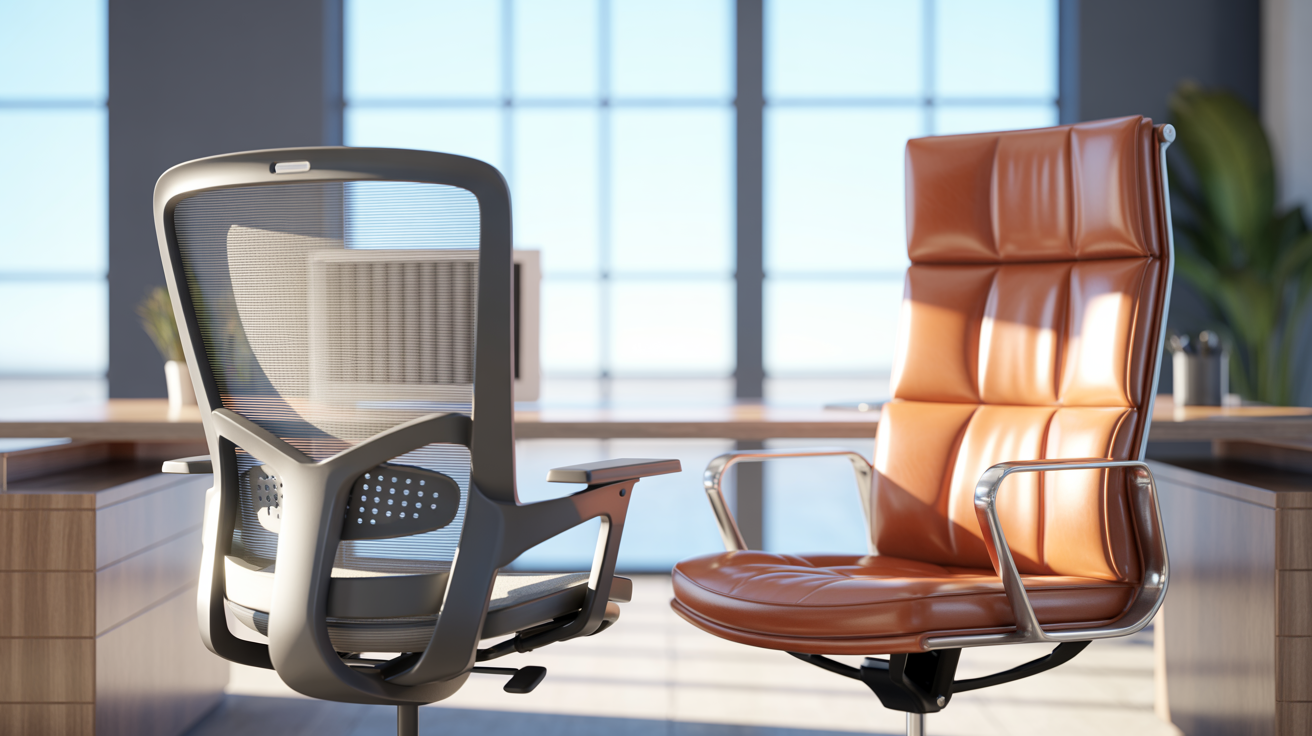
Invest in "backbone" pieces: Allocate more budget to foundational items you use daily—sofas, beds, dining tables, and office chairs from Smart Living's office collection. These high-use items benefit most from quality construction.
Consider your timeline: If you'll be in your current home for 5+ years, quality furniture makes more financial sense. For shorter periods, balance quality with your specific needs.
Evaluate usage patterns: Heavily used items justify higher investment. A sofa used 4+ hours daily benefits more from quality construction than occasionally used guest room furniture.
Look beyond price tags: Compare warranty terms, material specifications, and construction details rather than just prices. Sometimes modest price increases yield substantial quality improvements.
Consider hybrid approaches: Mix investment pieces with more affordable options. For example, invest in a quality sofa but save on easily replaceable accent tables.
Factor in your lifestyle: Households with children or pets may benefit from certain premium materials that resist stains and wear, like those found in Smart Living's home appliances that are designed for durability in busy households.
Remember that "expensive" doesn't always mean better quality, and "budget" doesn't necessarily mean poor quality. The key is identifying well-made furniture at fair prices—precisely what direct-to-consumer models like Smart Living provide.
Conclusion
So, is expensive furniture worth it? The answer depends on how you define "expensive" and what value you're receiving for the price.
Traditional retail markup structures often make truly premium furniture prohibitively expensive, forcing consumers to choose between quality and affordability. However, when examining the 5-year cost of ownership, it becomes clear that well-made furniture often represents better long-term value despite higher initial prices.
The ideal approach is finding the sweet spot: furniture constructed with quality materials and proper techniques at fair, transparent prices. This is precisely the gap that direct-to-consumer brands like Smart Living address—delivering premium quality without the inflated price tags typically associated with high-end furniture.
By understanding the factors that contribute to furniture longevity and calculating the true cost of ownership, you can make more informed decisions about where to invest and where to save when furnishing your home. Sometimes, spending more upfront truly does save money in the long run—but only when that additional expense goes toward genuine quality rather than retail markups.
The next time you're considering a furniture purchase, look beyond the price tag to evaluate what you're really getting for your money. Your future self (and wallet) will thank you for making decisions based on long-term value rather than just upfront cost.
Visit Smart Living today to discover premium quality furniture and home essentials at transparent prices that reflect true value, not inflated markups. Experience the difference that direct-to-consumer pricing makes in delivering exceptional quality without compromise.
发表评论