Renting vs Owning: How Furniture Sharing Is Reshaping Home Design in the Circular Economy
Jul 29,2025 | Smart-Living

Table Of Contents
The way we furnish our homes is undergoing a profound transformation. As sustainability concerns grow and living situations become more fluid, many consumers are questioning the traditional notion that quality furniture must be purchased outright and owned forever. Enter the circular economy of furniture sharing – a model that's challenging our relationship with home furnishings and potentially offering smarter, more sustainable ways to create beautiful living spaces.
Furniture represents a significant investment for most households, yet the traditional ownership model often leads to waste, with perfectly usable items ending up in landfills when lifestyles change or design preferences evolve. The emerging alternative – furniture rental and sharing platforms – promises to deliver premium quality pieces without the long-term commitment, substantial upfront costs, or environmental guilt.
This comprehensive guide explores the growing phenomenon of furniture sharing within the circular economy, comparing the benefits and considerations of renting versus owning, and helping you determine which approach might best suit your lifestyle, budget, and environmental values.
Renting vs Owning Furniture
The Circular Economy Revolution in Home Design
Furniture sharing is transforming how we design our living spaces—offering flexibility, sustainability, and access to premium pieces without long-term commitment.
Traditional Ownership
- High upfront investment required
- Builds equity in tangible assets
- Responsibility for maintenance & repairs
- Moving logistics can be costly & difficult
- Limited ability to update as trends change
Furniture Sharing
- Minimal upfront costs, monthly payments
- Flexibility to change with lifestyle needs
- Professional maintenance included
- No moving hassles or storage concerns
- Ability to refresh designs seasonally
The Circular Economy Impact
Reduced Waste
Extends furniture lifecycle, keeping items out of landfills
Resource Efficiency
One item serves multiple users over its lifetime
Quality Focus
Sharing platforms invest in durable, well-made pieces
Who Benefits Most From Furniture Sharing?
Urban Professionals
Frequent movers who prioritize flexibility
New Graduates
First apartments with limited budgets
Design Enthusiasts
Those who refresh their space regularly
Eco-Conscious
Consumers who prioritize sustainability
Making the Right Choice
Consider Renting When:
- Your living situation is temporary (1-3 years)
- You prefer minimal upfront costs
- Your style preferences evolve frequently
- You anticipate multiple relocations
Consider Buying When:
- You have stable, long-term housing (5+ years)
- You value building equity in quality pieces
- You have consistent style preferences
- You enjoy caring for and maintaining items
The Hybrid Approach
Many consumers find the optimal solution combines both models:
Understanding the Circular Economy
The circular economy represents a paradigm shift from our traditional "take-make-dispose" linear economic model. Instead of extracting resources, creating products, and eventually discarding them, the circular model aims to keep products and materials in use for as long as possible through sharing, reusing, repairing, refurbishing, and recycling.
In the context of furniture, this circular approach manifests in several ways. Rather than purchasing new items that might only serve your needs temporarily, circular solutions focus on extending the useful life of well-crafted pieces. This could mean buying high-quality furniture designed to last generations, purchasing restored vintage pieces, or participating in furniture rental or subscription services that ensure items remain in circulation rather than in landfills.
The potential environmental benefits are substantial. The furniture industry has a significant ecological footprint, with wood harvesting contributing to deforestation and manufacturing processes consuming vast resources and energy. By keeping furniture in use longer through sharing and circular models, we can dramatically reduce resource consumption and waste generation.
The Rise of Furniture Sharing
Furniture sharing represents one of the most promising applications of circular economy principles in our daily lives. The concept has gained significant traction over the past decade, paralleling similar shifts toward sharing economy models in transportation (ride-sharing) and accommodation (home-sharing).
Several factors are driving this trend. Millennials and Gen Z consumers demonstrate greater mobility and less attachment to ownership than previous generations. Urbanization has led to smaller living spaces where flexibility in furnishings becomes valuable. Meanwhile, growing environmental awareness has many consumers seeking more sustainable consumption patterns.
The furniture sharing market has responded with various models, from pure rental services to furniture-as-a-service subscriptions. These platforms typically offer curated selections of quality pieces that consumers can enjoy without the commitment of ownership. When needs change, items are returned to be professionally cleaned, refurbished if necessary, and made available to the next customer – creating a continuous cycle of use that epitomizes circular economy principles.
Comparing Renting vs Owning Furniture
The decision between renting and owning furniture involves numerous considerations spanning financial implications, lifestyle factors, and environmental impact. Let's explore each dimension to help you make an informed choice.
Financial Considerations
From a strictly financial perspective, the rent-versus-own equation depends heavily on your timeframe and the specific pieces involved.
Purchasing furniture requires significant upfront investment, especially for quality pieces that will stand the test of time. A well-crafted living room set might cost several thousand dollars initially, but if maintained properly, could serve you for decades, making the per-year cost relatively low over its lifetime.
Renting, by contrast, involves lower upfront costs but ongoing monthly payments. This can be advantageous for accessing premium furniture that might otherwise be beyond your immediate budget. For short-term needs (1-2 years), renting often works out less expensive than buying and reselling. However, for periods exceeding 3-5 years, the cumulative rental costs typically surpass the purchase price of comparable items.
There's also the question of asset building. Owned furniture represents a tangible asset that retains some value, albeit with significant depreciation for most mass-market items. Premium and designer pieces may even appreciate over time. Rented furniture, while providing the utility and aesthetics you desire, builds no long-term equity.
Flexibility and Lifestyle Alignment
For many consumers, lifestyle considerations outweigh purely financial calculations when deciding between furniture ownership and sharing.
Renting offers unparalleled flexibility for those whose lives involve frequent relocation or evolving space requirements. Instead of the hassle and expense of moving bulky furniture or storing items during transitions, furniture sharing allows you to adapt your furnishings to each new living situation. When your lease ends, you simply return the items rather than coordinating complex moving logistics.
This flexibility extends to aesthetic preferences as well. As design trends evolve or your personal taste changes, rental services allow you to refresh your space without the guilt of discarding perfectly functional items or the challenge of reselling them. Many services now offer options to swap pieces periodically, supporting your evolving style without waste.
Ownership, meanwhile, offers a sense of permanence and personalization that many still value. There's a psychological satisfaction in building a home with pieces you've chosen to invest in for the long term. For those with stable housing situations and established style preferences, the permanence of ownership may align better with life goals than the transience of rental.
Environmental Impact
From a sustainability perspective, the circular model of furniture sharing offers significant advantages over conventional consumption patterns.
The most environmentally detrimental scenario is the fast-furniture cycle – purchasing low-quality, inexpensive items that quickly deteriorate and must be replaced, generating continuous waste. High-quality furniture that remains in use for decades, whether through long-term ownership or circular sharing systems, dramatically reduces this impact.
Furniture sharing platforms typically invest in durable, quality pieces specifically designed to withstand multiple users over time. A single well-made sofa in a furniture sharing program might serve ten households over its lifetime instead of just one, maximizing the environmental return on the resources used in its production.
Additionally, professional maintenance included with most furniture sharing services extends product lifespans. When items eventually show wear, these services often have refurbishment programs that further extend utility before components are eventually recycled, completing the circular lifecycle.
Who Benefits Most From Furniture Sharing?
Furniture sharing offers particular advantages for specific consumer segments:
Urban professionals with frequent relocation patterns benefit enormously from the flexibility of furniture rental. For those who relocate every few years for career opportunities, the cost and logistical challenges of moving furniture can be prohibitive.
Temporary housing situations call for temporary furnishing solutions. Whether you're in a short-term rental while house hunting, temporarily relocated for a work assignment, or in transition between permanent homes, furniture sharing provides an elegant solution without commitment.
First-time independent living situations present a perfect opportunity for furniture sharing. Recent graduates or young professionals furnishing their first apartment may not have the capital to invest in quality pieces all at once, nor the certainty about future space requirements. Furniture sharing allows them to create a cohesive, well-designed space without overextending financially.
Design enthusiasts who value freshness appreciate the ability to periodically update their environments. Many furniture sharing platforms now offer the option to swap pieces seasonally or annually, allowing decor to evolve alongside trends or personal preferences.
Environmentally conscious consumers who prioritize minimizing waste find the circular model aligns with their values, knowing each piece will continue providing utility rather than potentially ending up discarded.
How Furniture Sharing Services Work
While specific models vary, most furniture sharing platforms operate on similar principles:
The process typically begins with an online catalog where customers can browse available pieces, often with the ability to visualize items together or even in simulated room settings. Many services offer curated collections or design assistance to create cohesive looks.
Rental terms typically range from three months to several years, with discounted rates for longer commitments. Monthly subscription prices depend on the quality, brand, and number of items selected. Many services offer package deals for complete room settings that cost less than renting individual pieces.
Delivery, assembly, and installation are usually included in the subscription price – a significant advantage over purchasing, where these services often represent additional costs. When the rental period ends or you wish to exchange items, the service typically handles pickup and transportation, eliminating the logistics challenges of furniture ownership.
Most furniture sharing platforms maintain stringent cleaning and quality control processes. Items are professionally sanitized between users, with damaged pieces being repaired or retired from circulation. This maintains both the aesthetic appeal and functional quality of the furniture throughout its lifecycle.
Many services now offer rent-to-own options, where a portion of your rental payments accumulates toward potential purchase of pieces you particularly love. This hybrid model combines the flexibility of rental with the potential for eventual ownership of select items.
The Future of Furniture in a Circular Economy
As the circular economy gains momentum, we're seeing interesting developments in how furniture is designed, manufactured, and distributed:
Design for durability and repair is becoming increasingly important. Furniture created specifically for sharing programs is engineered to withstand multiple users and frequent movement. Modular designs allow for components to be replaced rather than discarding entire pieces when damage occurs.
Material innovation focuses on sustainability and longevity. From biodegradable upholstery fabrics to reclaimed wood and recycled metals, circular furniture emphasizes responsible material sourcing. Some manufacturers are even implementing take-back programs for materials at the end of product life.
Technology integration is enhancing the furniture sharing experience. Advanced AR/VR applications let consumers visualize pieces in their actual spaces before committing. Blockchain and IoT technologies are beginning to track furniture through multiple lifecycles, creating transparent records of provenance and use.
As these trends converge, we're likely to see even greater convergence between smart home technology and circular furniture models. Imagine furniture that adapts to different users, tracks its own condition, or even anticipates when components need replacement – all within a circular system that minimizes waste and maximizes value.
Making the Right Choice for Your Lifestyle
There's no universal answer to whether renting or owning furniture is better – the right choice depends on your specific circumstances. Consider these factors when making your decision:
Time horizon: How long do you anticipate needing these furniture pieces? For periods under 2-3 years, renting typically offers better overall value. For longer timeframes, a blend of owned investment pieces and rented accent items might be optimal.
Budget structure: Do you prefer minimizing upfront costs or long-term total expenditure? Renting allows you to access quality pieces with minimal initial outlay, but ownership generally costs less over extended periods.
Space stability: How likely are your space requirements to change? If you anticipate moving between differently sized or configured homes, the flexibility of rental becomes particularly valuable.
Design preferences: How consistent is your aesthetic taste? If you enjoy refreshing your space regularly, rental services that allow exchanges support this flexibility better than ownership.
Environmental priorities: Consider which approach minimizes waste in your specific situation. For someone who moves frequently, rental likely has the lower environmental impact. For those intending to maintain a stable home for many years, investing in heirloom-quality pieces designed to last generations might be the more sustainable choice.
Many consumers are finding that a hybrid approach offers the best of both worlds. You might choose to invest in certain foundational pieces that anchor your home – perhaps a quality mattress or a dining table that supports your daily life – while using furniture sharing services for items more subject to trend cycles or space changes, such as accent chairs, side tables, or decorative pieces.
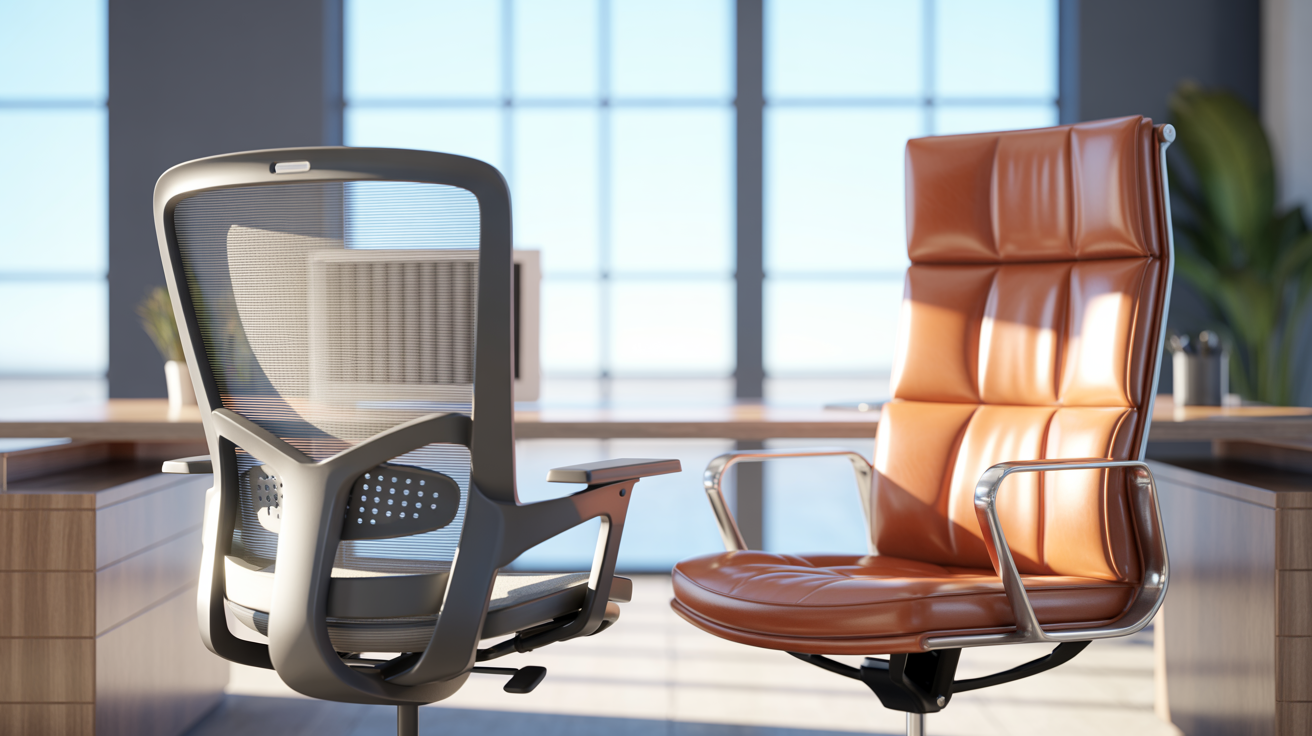
The home office represents a particularly good candidate for this hybrid approach. As work arrangements continue to evolve, maintaining flexibility in your workspace furnishings allows you to adapt to changing needs, while investing in elements that directly impact your productivity and comfort, such as an ergonomic chair or adjustable desk.
Smart Living's approach to quality, transparency, and value aligns perfectly with this thoughtful consumption model. By eliminating middlemen and working directly with manufacturers, we provide access to premium furniture at more accessible price points – whether for pieces you choose to own long-term or for complementing items accessed through circular sharing models.
Conclusion: Embracing Furniture Fluidity
The furniture industry stands at a fascinating inflection point, with traditional ownership models and emerging circular alternatives both offering distinct benefits. Rather than viewing this as a binary choice, consider how both approaches might serve different aspects of your lifestyle and furniture needs.
The circular economy of furniture sharing isn't just changing how we furnish our spaces – it's transforming our relationship with material goods. By separating the utility and enjoyment of beautiful, functional furniture from the necessity of ownership, these models give consumers more options for creating homes that reflect their values, aesthetic preferences, and practical needs.
Whether you choose to rent, buy, or combine both approaches, the most important consideration is making conscious decisions aligned with your unique lifestyle requirements. By thoughtfully evaluating the true costs, benefits, and impacts of different furniture acquisition methods, you can create a living environment that serves you well while contributing to a more sustainable future for home furnishings.
The ideal home isn't defined by whether you own or rent your furniture – it's about creating spaces that support your life with quality pieces that bring genuine joy and functionality, accessed in whatever way makes the most sense for your circumstances.
Looking for premium quality everyday goods at transparent, competitive prices? Visit Smart Living to discover our range of exceptional home essentials, smart home technology, office solutions, and innovative appliances – all delivered directly to you without the retail markup.
发表评论