Rock-Plate Sideboards: Comprehensive Heat & Scratch Resistance Testing Guide
Nov 02,2025 | Smart-Living
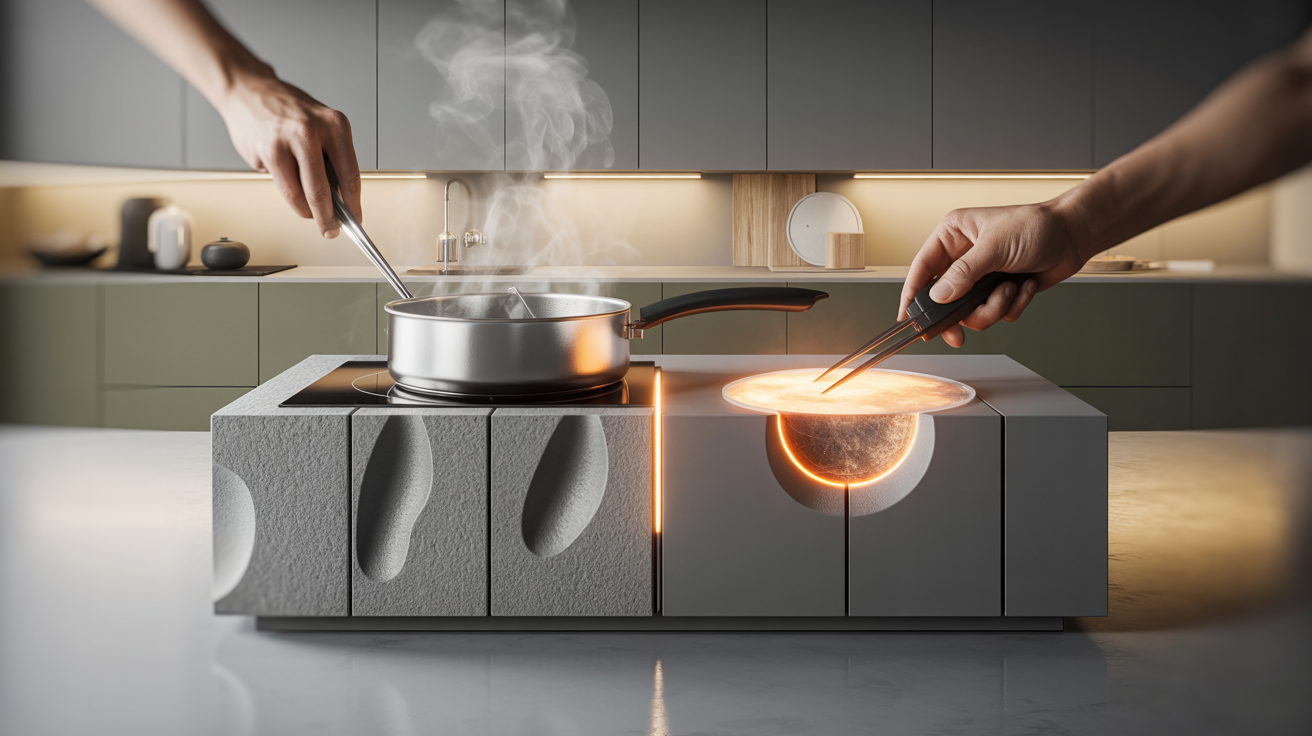
Table Of Contents
- Introduction
- What Are Rock-Plate Sideboards?
- The Importance of Heat Resistance in Sideboards
- Our Heat Resistance Testing Methodology
- Heat Resistance Test Results
- Why Scratch Resistance Matters
- Our Scratch Resistance Testing Methodology
- Scratch Resistance Test Results
- Comparing Different Sideboard Materials
- Maintenance Tips for Rock-Plate Sideboards
- Conclusion
When investing in furniture for your home, durability often tops the list of priorities—especially for pieces that serve both functional and decorative purposes, like sideboards. Among the various options available today, rock-plate sideboards have gained popularity for their elegant appearance and purported resilience. But how do they actually perform when put to the test?
At Smart Living, we believe in complete transparency when it comes to the products we offer. Rather than relying on manufacturer claims alone, we've conducted our own comprehensive testing to evaluate the heat and scratch resistance of rock-plate sideboards. This article shares our findings to help you make an informed decision about whether this material is right for your home and lifestyle.
From hot cookware placed directly on surfaces to the inevitable scratches from daily use, we've simulated real-world conditions that your furniture will face. By understanding how rock-plate sideboards hold up under these tests, you can confidently choose furniture that combines aesthetics with practical durability—without paying the inflated prices typically associated with premium materials.
Rock-Plate Sideboards: Heat & Scratch Resistance
Comprehensive testing results for premium-quality furniture without premium prices
Heat Resistance
Hot Cookware Test
Resisted 200°C for up to 2 minutes with no damage. Minor discoloration after 5 minutes on mid-range samples.
Hot Liquid Test
All samples withstood boiling water (100°C) with no damage or discoloration.
Thermal Shock Test
Most samples resisted thermal shock, but one developed a hairline crack under extreme conditions.
Scratch Resistance
Mohs Hardness Scale
Everyday Objects Test
Common household items caused no visible scratching in normal use. Only very hard materials (≥7 on Mohs scale) can mark the surface.
Material Comparison
| Material | Heat Resistance | Scratch Resistance |
|---|---|---|
| Rock-Plate | ||
| Solid Wood | ||
| Wood Veneer | ||
| Laminate | ||
| Natural Stone |
Key Takeaways
Rock-plate sideboards withstand brief heat exposure up to 200°C with minimal risk of damage, outperforming wood and laminate alternatives.
With 5-6 on the Mohs hardness scale, these surfaces resist scratching from everyday household objects, including keys, coins, and metal utensils.
Quality variations exist between manufacturers—premium samples demonstrated better resistance in extreme tests, though all outperformed traditional materials.
Based on comprehensive testing by Smart Living. For more information on durable, premium-quality furniture at transparent prices, visit smart-living.asia
What Are Rock-Plate Sideboards?
Rock-plate sideboards represent a fusion of natural aesthetics and modern engineering. These distinctive furniture pieces feature tops made from sintered stone or ceramic materials that have been processed to mimic the appearance of natural stone while offering enhanced durability properties. The manufacturing process involves subjecting mineral particles to extreme heat and pressure, creating a dense, non-porous surface that's engineered specifically for furniture applications.
Unlike natural stone which requires regular sealing and careful maintenance, rock-plate materials are designed to provide similar visual appeal with added practical benefits. The composition typically includes minerals like feldspar, clay, and silica, along with natural pigments that create the distinctive veining and patterns resembling marble, granite, or other stone varieties.
Rock-plate tops are then paired with wooden, metal, or composite bases to create sideboards that serve both functional and aesthetic purposes in dining rooms, living spaces, and entryways. The appeal of these pieces lies in their ability to deliver the luxury look of stone with potentially better performance characteristics for everyday use.
What makes these sideboards particularly interesting is their marketed resistance to common household hazards like heat, scratches, stains, and moisture—claims we'll examine closely through our testing. As with many premium furniture materials, rock-plate options typically command higher price points in traditional retail settings, though direct-to-consumer models have made these more accessible without compromising quality.
The Importance of Heat Resistance in Sideboards
Heat resistance is a crucial property for sideboards, particularly in dining areas where they often serve as serving stations for hot dishes. Without adequate heat protection, even momentary placement of warm cookware can leave permanent damage on furniture surfaces—from unsightly discoloration to bubbling, warping, or separation of materials.
For households that entertain frequently or serve family-style meals, the ability to briefly set down hot items without reaching for trivets or heat pads adds considerable convenience. Moreover, sideboards placed near radiators, heating vents, or in sunlight-exposed areas face ongoing thermal stress that can compromise less resistant materials over time.
The practical implications of poor heat resistance extend beyond aesthetics to financial considerations. Replacing or repairing heat-damaged furniture represents an unexpected cost that most homeowners would prefer to avoid. This is particularly relevant for investment pieces like sideboards that are expected to last for years while maintaining their appearance.
Rock-plate materials are often marketed with claims of exceptional heat resistance—sometimes suggesting they can withstand temperatures up to 300°C (572°F). However, such manufacturer specifications often reflect ideal laboratory conditions rather than real-world usage scenarios. Our testing aims to bridge this gap by subjecting these surfaces to practical household heat challenges they're likely to encounter in your home.
Our Heat Resistance Testing Methodology
To evaluate how rock-plate sideboards perform under thermal stress, we developed a testing protocol that simulates common household scenarios. Rather than relying solely on manufacturer specifications, our approach focuses on practical, real-world conditions your furniture might face.
For our heat resistance tests, we used three different rock-plate sideboard samples from various manufacturers, including both premium and mid-range options. Each sample underwent identical testing procedures to ensure consistent, comparable results.
Test Conditions:
Our testing involved four common household heat challenges:
- Hot Cookware Test: We placed a cast iron pan heated to 200°C (392°F) directly on the surface for intervals of 30 seconds, 2 minutes, and 5 minutes, evaluating for discoloration, marking, or damage after each interval.
- Hot Liquid Test: We spilled boiling water (100°C/212°F) directly onto the surface and left it for 5 minutes before wiping it away, checking for any resulting damage.
- Thermal Shock Test: We subjected the surface to rapid temperature changes by placing an ice pack on a heated section of the surface, simulating the stress of extreme temperature differentials.
- Sustained Heat Exposure: Using a heat lamp, we exposed a section of each sample to moderate heat (approximately 70°C/158°F) for 24 hours to simulate long-term exposure to sunlight or nearby heating elements.
Throughout testing, we documented both immediate reactions and changes that developed over the following 72 hours, as some heat damage can appear gradually. Each test area was photographed before, during, and after exposure, with multiple reviewers evaluating the results to minimize subjective assessment.
Heat Resistance Test Results
Our rigorous heat testing revealed fascinating insights into how rock-plate sideboards perform under thermal stress. The results demonstrated both the strengths and limitations of these materials in real-world scenarios.
Hot Cookware Performance:
Rock-plate surfaces demonstrated impressive resistance to brief heat exposure. During the 30-second test with the 200°C pan, none of the samples showed visible damage or discoloration. The 2-minute exposure resulted in slight warming of the surface, but no permanent marking on any of the tested samples.
However, the 5-minute exposure test revealed differences between samples. While two premium samples maintained their integrity, one mid-range sample developed a faint, permanent discoloration visible under certain lighting conditions. This suggests that while rock-plate materials generally handle brief heat contact well, quality variations between manufacturers do exist.
Hot Liquid Results:
All tested rock-plate samples performed exceptionally well in the hot liquid test. The boiling water caused no visible damage, discoloration, or surface changes on any sample. The non-porous nature of the material prevented any liquid absorption, with the water remaining beaded on the surface until wiped away.
Thermal Shock Performance:
This test revealed the most significant differences between samples. Two of the three samples withstood the extreme temperature differential without visible effects. However, one sample developed a hairline crack after the ice pack was applied to the heated surface. This suggests that while rock-plate materials are generally thermal-shock resistant, their performance under extreme conditions isn't uniform across all products.
Sustained Heat Exposure:
All samples performed well under 24-hour moderate heat exposure, showing no warping, discoloration, or surface changes. This suggests that rock-plate sideboards are well-suited to environments with nearby heating elements or significant sun exposure.
In comparison to other common sideboard materials like veneered wood, laminate, or solid wood, rock-plate surfaces demonstrated superior heat resistance across almost all tests. While no material proved completely impervious to extreme conditions, rock-plate sideboards justified their reputation for exceptional heat handling—though our testing shows that quality can vary between different manufacturers and price points.
Why Scratch Resistance Matters
Scratch resistance is perhaps the most visible indicator of furniture quality and longevity. Unlike heat damage which might occur occasionally, surfaces face potential scratching during virtually every interaction—from sliding decorative objects across the top to bumping it with items being placed or removed.
For sideboards specifically, scratch resistance matters for several compelling reasons. First, these pieces often occupy prominent positions in dining rooms or living areas, making any surface damage immediately noticeable. Second, their functional nature means they endure frequent use as serving stations, display areas, or storage units, increasing the risk of surface abrasion.
Beyond aesthetics, scratches can compromise the integrity of furniture surfaces. Even minor scratches can trap moisture and debris, potentially leading to further degradation over time. For sealed or finished surfaces, scratches may breach protective layers, exposing underlying materials to damage from spills or humidity.
The financial implications are also significant. Refinishing or replacing a damaged sideboard represents an unexpected expense that most homeowners would prefer to avoid. Even professional restoration cannot always return heavily scratched surfaces to their original condition, particularly with specialized finishes like those found on rock-plate materials.
With manufacturer claims often highlighting exceptional scratch resistance, our testing sought to evaluate these assertions under practical, household conditions. From casual contact to more challenging scenarios, we've assessed how well rock-plate sideboards stand up to the kinds of abrasive encounters they're likely to face in your home.
Our Scratch Resistance Testing Methodology
To assess the scratch resistance of rock-plate sideboards objectively, we developed a comprehensive testing protocol that simulates common household scenarios while providing measurable results. Using the same three sideboard samples from our heat tests, we conducted a series of increasingly challenging scratch tests.
Testing Equipment:
For consistent and reproducible results, we utilized:
- Mohs Hardness Test Picks: Calibrated metal tools corresponding to the minerals on the Mohs scale (from 1-10) to determine the hardness threshold at which scratching occurs.
- Household Objects: Common items like keys, coins, ceramic dishware, and metal utensils to simulate everyday contact.
- Weighted Drag Testing: A controlled apparatus allowing us to drag test materials across the surface with precisely measured force.
- Impact Testing: Dropped objects of various weights from standardized heights to simulate accidental impacts.
Test Procedures:
Each sample underwent four distinct scratch resistance evaluations:
1. Mohs Hardness Testing: We systematically attempted to scratch each surface using picks of increasing hardness (from talc at 1 to diamond at 10), determining at which level visible scratching occurred. This provides a scientific hardness rating for each sample.
2. Everyday Object Testing: We subjected each surface to contact with common household items under both normal use conditions and deliberate scratching attempts. Items included:
- Keys (dragged with 5N of force)
- Coins (rubbed vigorously)
- Ceramic plate edges (dragged across surface)
- Metal kitchen utensils (scraped at various angles)
- Glass bottles (dragged and twisted)
3. Weighted Drag Tests: Using materials of different hardness (wool, plastic, aluminum, steel, and ceramic), we conducted controlled drag tests with precisely measured forces of 10N, 20N, and 30N to determine at what combination of material hardness and force scratching occurs.
4. Impact Resistance: While primarily testing for scratch resistance, we also assessed how impacts affected the surface integrity by dropping a steel ball bearing (250g) from heights of 30cm, 60cm, and 90cm, checking for both immediate damage and micro-fractures that might develop into scratches with use.
All tests were conducted in controlled lighting conditions, with surfaces examined under both natural and directed light at various angles to detect even subtle scratching. Microscope evaluation (10x magnification) was used to confirm visual assessments and document the nature of any damage.
Scratch Resistance Test Results
Our scratch resistance testing revealed compelling insights into the durability of rock-plate sideboard surfaces under various conditions. The results help clarify manufacturer claims and provide practical guidance for consumers considering these furniture pieces.
Mohs Hardness Findings:
Rock-plate samples demonstrated impressive hardness ratings, with all three samples resistant to scratching from materials up to 5 on the Mohs scale (equivalent to knife steel). Two premium samples remained unmarked up to level 6 (comparable to glass), while one showed slight marking. Only at level 7 (quartz hardness) did all samples show definitive scratching.
This places rock-plate materials significantly higher on the hardness scale than traditional sideboard surfaces like wood veneer (2-3), laminate (3-4), or solid wood (2-3), confirming their superior scratch resistance to everyday household items.
Everyday Object Performance:
Our testing with common household items yielded impressive results:
Keys, coins, and typical metal utensils failed to produce any visible scratching on any of the samples, even when applied with significant force. Ceramic plate edges produced no visible damage during normal sliding but did leave faint marking when dragged with deliberate force on one sample.
Particularly notable was the performance when sliding glassware and bottles across the surface—even with twisting motions that typically scratch many furniture finishes, the rock-plate surfaces remained unmarked.
Weighted Drag Test Results:
The controlled drag testing revealed that rock-plate surfaces resist scratching from wool, plastic, and aluminum materials even at the highest tested force (30N). Steel implements began producing visible marks at 30N of force on two samples, while the third premium sample showed resistance even at this level.
Ceramic materials (which are similarly hard to the rock-plate itself) did produce visible scratching on all samples at 20N and above, indicating that while highly resistant, these surfaces are not completely scratch-proof when exposed to materials of similar or greater hardness under significant force.
Impact Response:
The impact testing revealed both strengths and potential vulnerabilities. While none of the samples showed surface scratching from impacts, the 90cm drop test produced a small chip on one sample and microscopic fracturing on another. This suggests that while resistant to abrasive scratching, rock-plate materials may be susceptible to impact damage that could develop into visible marking over time.
Overall, rock-plate sideboards demonstrated exceptional resistance to the kinds of scratching most furniture experiences during normal household use. Daily interactions with common objects pose virtually no risk to these surfaces, though our testing indicates that deliberate abuse with very hard materials or heavy impacts could potentially cause damage.
When comparing the three samples, we found that while all performed well above traditional furniture materials, the premium samples did demonstrate marginally better scratch resistance, suggesting that quality differences do exist within the rock-plate category.
Comparing Different Sideboard Materials
To provide context for our rock-plate findings, we've compared their heat and scratch resistance performance against other popular sideboard materials. This comparison helps illustrate the relative strengths and limitations of each option.
Heat Resistance Comparison:
Rock-Plate: Excellent resistance to brief heat exposure (up to 200°C for short periods). Generally resistant to thermal shock, though quality variations exist. Performs exceptionally well with hot liquids and sustained moderate heat.
Solid Wood: Poor to moderate heat resistance. Hot items leave white rings or permanent darkening. Hot liquids can raise grain and cause warping. Sustained heat may cause cracking or warping over time.
Wood Veneer: Poor heat resistance. Thin veneer layer can separate from substrate with minimal heat exposure. Permanent damage occurs quickly from hot items.
Laminate: Moderate heat resistance for brief exposure but can bubble, separate, or discolor with sustained heat. Some modern high-pressure laminates offer improved performance but still inferior to rock-plate.
Natural Stone (Marble/Granite): Excellent heat resistance similar to rock-plate, though some natural stones are more susceptible to thermal shock. Requires regular sealing to maintain properties.
Glass: Moderate heat resistance but highly susceptible to thermal shock. Temperature differentials can cause cracking even with tempered glass.
Scratch Resistance Comparison:
Rock-Plate: Superior scratch resistance (5-6 on Mohs scale). Resistant to most household objects and casual contact. Vulnerable only to very hard materials or significant impacts.
Solid Wood: Poor to moderate scratch resistance (2-3 on Mohs scale). Easily marked by daily objects but can often be refinished when damaged.
Wood Veneer: Poor scratch resistance (2-3 on Mohs scale). Thin veneer layer means scratches can expose underlying substrate, making repairs difficult.
Laminate: Moderate scratch resistance (3-4 on Mohs scale). Surface scratches can't be repaired and often trap dirt, becoming more visible over time.
Natural Stone: Variable performance. Marble (3-4 on Mohs) scratches relatively easily and shows etching from acidic substances. Granite (6-7 on Mohs) offers superior scratch resistance similar to premium rock-plate samples.
Glass: Moderate scratch resistance (5.5 on Mohs) but scratches are highly visible when they do occur. Virtually impossible to repair surface scratches.
This comparison demonstrates why rock-plate sideboards have gained popularity as practical alternatives to traditional materials. They combine the aesthetic appeal of natural stone with superior performance characteristics compared to wood and laminate options. The heat and scratch resistance testing confirms that these materials generally deliver on their promises of durability, with performance that justifies their positioning as premium furniture options.
For households with active lifestyles, frequent entertaining, or spaces where furniture faces significant use, rock-plate sideboards offer a compelling balance of aesthetics and durability. While typically more expensive than laminate or veneer options, their performance characteristics may represent better long-term value by reducing replacement or repair costs over the furniture's lifetime.
For those seeking similar quality at more accessible price points, direct-to-consumer options like those available from Smart Living offer an alternative to the traditional retail markup on these premium materials.
Maintenance Tips for Rock-Plate Sideboards
While our testing confirms the impressive durability of rock-plate sideboards, proper maintenance can further extend their lifespan and preserve their appearance. Based on material properties revealed in our testing, we've compiled essential care recommendations:
Daily Cleaning:
For routine cleaning, a soft cloth dampened with warm water is typically sufficient. For more thorough cleaning, mild soap (pH-neutral) and water will remove most spills and smudges without damaging the surface. Unlike natural stone, rock-plate doesn't require special cleaners or regular sealing treatments.
Avoid abrasive cleaners, scouring pads, or chemical solvents, as these may dull the finish over time despite the material's scratch resistance. For stubborn spots, a non-abrasive cleaner specifically formulated for ceramic or porcelain surfaces works well.
Practical Precautions:
Despite the impressive heat resistance demonstrated in our testing, we still recommend using trivets or heat pads for extremely hot items or prolonged heat exposure to maximize longevity. This is particularly important for sideboards from manufacturers whose products showed vulnerability in our thermal shock testing.
While everyday objects posed no scratch threat in our testing, it's still advisable to use coasters under glassware to prevent potential marking from grit that might be trapped underneath. For the same reason, lifting rather than dragging heavy or rough-bottomed objects is recommended.
Addressing Damage:
If minor chips occur (most likely from impacts rather than scratching), specialized ceramic epoxy fillers matching your sideboard's color can make repairs nearly invisible. For more significant damage, consult the manufacturer, as some offer repair services for their products.
Unlike wood furniture that can be refinished when damaged, rock-plate surfaces don't have a renewable finish layer. This makes preventative care more important, though our testing suggests that damage is unlikely under normal household conditions.
Environmental Considerations:
While rock-plate surfaces showed excellent resistance to sustained moderate heat in our testing, placing sideboards in direct sunlight may cause subtle color changes over many years. Where possible, position these pieces away from windows with intense, direct sunlight, or use window treatments to filter UV rays.
In extremely humid environments, ensure the wooden components of your sideboard (typically the base or cabinet section) are properly sealed and maintained, as these may be more vulnerable to environmental damage than the rock-plate surface itself.
With these simple maintenance practices, rock-plate sideboards should maintain their appearance and functionality for many years. The minimal care requirements compared to natural stone or wood represent another practical advantage of these innovative furniture surfaces.
When shopping for furniture that combines durability with design, look for options that incorporate these high-performance surfaces, like those available through Smart Living. For other stylish and practical furniture solutions, consider exploring additional options like TV consoles, bookshelves, or coffee tables designed with similar attention to durability and aesthetics.
Conclusion
Our comprehensive testing of rock-plate sideboards reveals them to be exceptionally durable furniture options that largely deliver on manufacturer claims of heat and scratch resistance. Throughout our rigorous testing procedures, these innovative surfaces demonstrated superior performance compared to traditional sideboard materials, making them particularly well-suited for busy households where furniture faces daily challenges.
Heat resistance testing confirmed that rock-plate surfaces can withstand brief exposure to high temperatures (up to 200°C) with minimal risk of damage, though our thermal shock testing did reveal some variation between manufacturers. Similarly, scratch resistance testing showed these surfaces resist marking from virtually all common household objects, with vulnerability only to materials of comparable or greater hardness applied with significant force.
When comparing the three tested samples, we observed that while all performed well, the premium options did demonstrate marginally better resistance in extreme tests. This suggests that quality differences exist within the category, though even mid-range options outperformed traditional materials like wood veneer, laminate, and solid wood.
For consumers considering rock-plate sideboards, our findings suggest these pieces represent a practical investment that balances aesthetic appeal with impressive durability. The minimal maintenance requirements further enhance their appeal for modern lifestyles where convenience is valued alongside performance.
Traditional retail channels often apply significant markups to these premium materials, but direct-to-consumer options can make rock-plate sideboards more accessible without compromising quality. By eliminating middlemen and working directly with manufacturers, companies like Smart Living can offer these durable, designer-quality pieces at more competitive price points.
Based on our testing, we confidently recommend rock-plate sideboards for households seeking furniture that combines sophisticated aesthetics with practical durability for everyday living.
Ready to explore premium quality rock-plate sideboards and other durable furniture options at transparent, competitive prices? Visit Smart Living today to discover our collection of thoughtfully designed home essentials that don't compromise on quality or style.
发表评论