Sliding-Door Track Maintenance: Keep Your Wardrobes Gliding Smoothly
Oct 25,2025 | Smart-Living
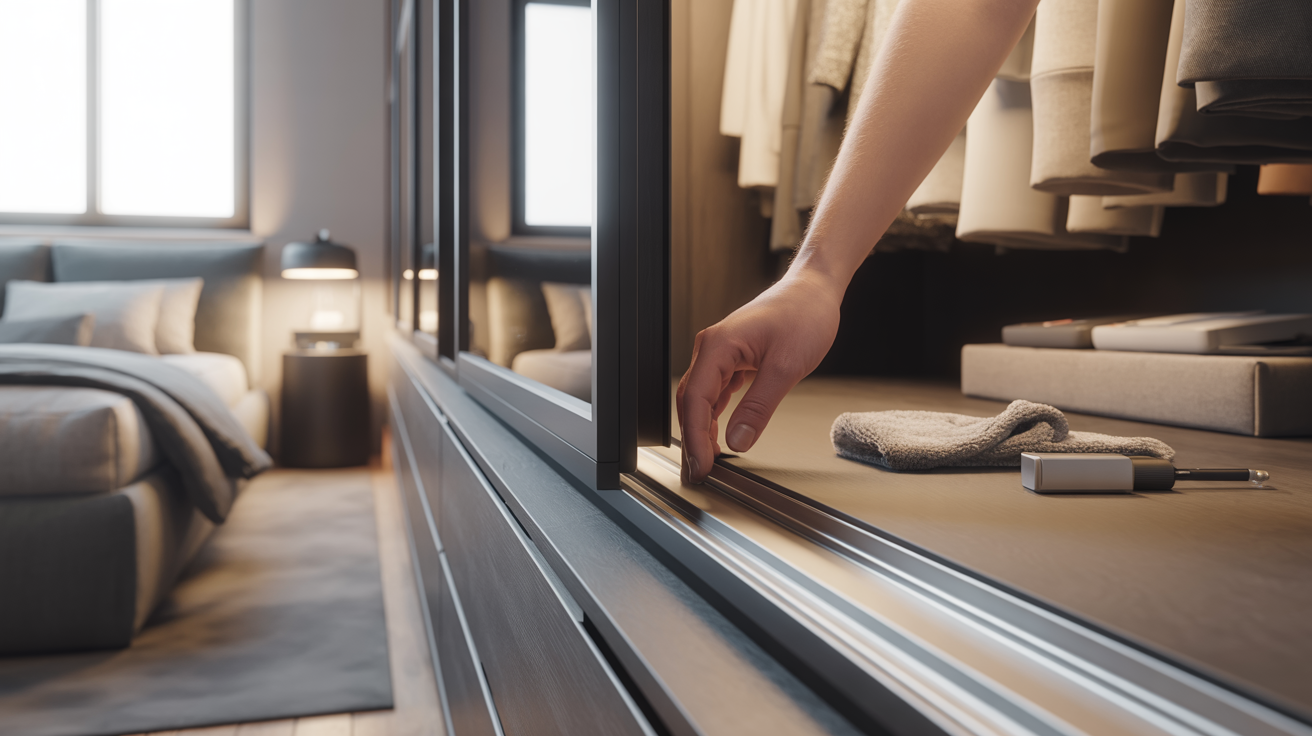
Table Of Contents
That frustrating moment when your wardrobe door sticks, jumps, or refuses to slide smoothly can turn a peaceful morning routine into an exercise in patience. Sliding doors are fantastic space-savers and elegant additions to any wardrobe, but they're only as good as their tracks allow them to be.
At Smart Living, we understand that the functionality of your furniture directly impacts your daily comfort and convenience. That's why proper maintenance of sliding door tracks isn't just about preserving an investment—it's about ensuring your living spaces work harmoniously with your lifestyle.
In this comprehensive guide, we'll walk you through everything you need to know about keeping those wardrobe doors gliding effortlessly. From understanding the mechanics behind different track systems to implementing a regular maintenance routine, we've got you covered with practical solutions that extend the life of your furniture without breaking the bank or requiring professional intervention for every minor issue.
Sliding-Door Track Maintenance Guide
Keep your wardrobe doors gliding effortlessly with these essential maintenance tips
1Track Systems Understanding
Bottom-Rolling
Wheels at bottom bear weight; more prone to debris interference
Top-Hanging
Door suspended from top track; smoother operation but requires sturdy construction
2Essential Cleaning Process
3Proper Lubrication
Metal Tracks
Use silicone-based spray lubricant
Plastic Tracks
Apply paraffin wax or silicone spray
AVOID: Greasy lubricants like petroleum jelly or cooking oils — they attract dust and create buildup
4Maintenance Schedule
Monthly
- Visual inspection
- Wipe down tracks
- Test door movement
Quarterly
- Deep cleaning
- Fresh lubrication
- Check alignment
5Troubleshooting Guide
Doors Jumping Track
Check for worn rollers, track obstructions, or misalignment
Sticking or Catching
Deep clean tracks, check for bent areas or warped door edges
When to Seek Help: Consider professional assistance for structural issues, complex track systems, or when you need replacement parts.
Why Sliding Door Maintenance Matters
Sliding doors represent the perfect marriage of functionality and style in modern home design. They save valuable floor space, provide clean lines, and offer convenient access to your belongings. However, when neglected, these practical features can quickly become daily frustrations.
Regular maintenance of your sliding door tracks delivers several important benefits:
Extended Furniture Lifespan - Well-maintained tracks prevent unnecessary strain on door panels, hinges, and handles, potentially adding years to your wardrobe's useful life. Quality wardrobes are investments, and proper care ensures you get maximum value from premium pieces like those from Smart Living's wardrobe collection.
Smooth Daily Operation - There's a subtle but significant pleasure in doors that glide effortlessly. This seemingly small detail can have an outsized impact on your daily routine and overall satisfaction with your living space.
Noise Reduction - The grinding, squeaking, and thumping of problematic sliding doors can disrupt the peaceful atmosphere of your home. Regular maintenance eliminates these auditory intrusions.
Prevention of Costly Repairs - Small issues, when left unaddressed, often evolve into major problems requiring expensive parts replacement or professional repair services. Consistent maintenance helps identify and resolve minor issues before they escalate.
Understanding Sliding Door Track Systems
Before diving into maintenance procedures, it's helpful to understand the basic components of sliding door systems and how they work together. Most wardrobe sliding doors operate using one of these common track systems:
Bottom-Rolling Systems - These feature wheels or rollers at the bottom of the door that bear the door's weight while moving along a floor-mounted track. A top guide keeps the door aligned but doesn't support weight. This system is common in heavier doors but can be more susceptible to debris interference.
Top-Hanging Systems - In contrast, these systems suspend the door from a track mounted at the top of the wardrobe opening, with a floor guide providing stability without bearing weight. These systems tend to operate more smoothly but require sturdy construction to support the hanging doors.
Trackless Systems - Less common in wardrobes but worth mentioning are trackless doors that use pivot points rather than tracks. These eliminate track maintenance concerns but have their own unique maintenance requirements.
Understanding which system your wardrobe employs helps you focus your maintenance efforts appropriately. Most modern wardrobes use either bottom-rolling or top-hanging systems, each with specific maintenance needs we'll cover in detail.
Essential Tools for Track Maintenance
Proper maintenance starts with having the right tools on hand. Fortunately, keeping your sliding doors in peak condition doesn't require specialized equipment—most items are likely already in your home or easily acquired. Here's what you'll need:
Cleaning Supplies:
• Vacuum cleaner with crevice attachment
• Soft-bristled brush (an old toothbrush works perfectly)
• Microfiber cloths
• Mild household detergent
• Warm water
• Cotton swabs for hard-to-reach areas
Lubrication Products:
• Silicone-based lubricant (preferred for plastic components)
• Paraffin wax or candle
• Spray lubricant with straw applicator
• WD-40 (for cleaning, not primary lubrication)
Adjustment Tools:
• Screwdriver set (flathead and Phillips)
• Allen wrench set
• Small rubber mallet
• Level
Having these items ready before you begin makes the maintenance process much more efficient. Remember, the goal is preventative care—addressing small issues before they require more complex solutions or specialized tools.
Step-by-Step Cleaning Process
Thorough cleaning is the foundation of effective track maintenance. Follow these steps for best results:
1. Prepare the Wardrobe
Begin by removing items from the floor of your wardrobe and pushing clothes to the sides to prevent dust from settling on them. Lay towels beneath the tracks to catch debris and cleaning solution.
2. Remove Loose Debris
Use your vacuum with a crevice attachment to remove loose dust, hair, and debris from both top and bottom tracks. Pay special attention to the corners where debris often accumulates. For particularly narrow tracks, try wrapping a thin cloth around a butter knife and sliding it through the channel.
3. Dislodge Stubborn Debris
For compacted dirt, use a soft brush (or old toothbrush) to loosen it from the tracks. Work methodically from one end to the other, making sure to reach into all corners and crevices where rollers travel. Vacuum again after brushing to remove the loosened particles.
4. Clean With Solution
Mix a mild cleaning solution using warm water and a small amount of household detergent. Dampen a microfiber cloth (not soaking wet) and wipe down the tracks thoroughly. For tight spaces, use cotton swabs dipped in the cleaning solution.
5. Rinse and Dry
Wipe down the tracks with a clean, damp cloth to remove any soap residue. Follow immediately with a dry cloth to prevent moisture from causing corrosion or damage to the tracks. Ensure tracks are completely dry before proceeding to lubrication.
This cleaning process should be thorough but gentle. Avoid using harsh chemicals or abrasive tools that could damage the track material or finish. For most wardrobes, this cleaning routine performed quarterly will prevent significant build-up and keep doors moving smoothly.
Proper Lubrication Techniques
After cleaning, proper lubrication is key to smooth operation. However, using the wrong lubricant or over-lubricating can actually worsen problems by attracting more dust and debris.
Choosing the Right Lubricant
Different track materials require different lubricants:
For Metal Tracks: A silicone-based spray lubricant works well as it doesn't attract dust as much as oil-based products.
For Plastic or Vinyl Tracks: Paraffin wax (like a candle) rubbed along the tracks provides excellent lubrication without damaging sensitive materials. Silicone spray is also safe for most plastic components.
What to Avoid: Greasy lubricants like petroleum jelly or cooking oils might provide temporary smoothness but will quickly collect dust and create a gunky mess that's difficult to clean.
Application Method
Apply lubricant sparingly using these techniques:
For Spray Lubricants: Use the straw attachment to direct a light application precisely where needed—typically along the bottom of the track where rollers make contact. Wipe away any excess immediately.
For Wax Application: Rub the edge of a candle along the track surface, then move the door back and forth to distribute the wax evenly.
For Top-Hanging Systems: Apply a small amount of lubricant to the wheel mechanisms in the top track, being careful not to let excess drip onto your clothing or shelving.
After lubricating, slide the doors back and forth several times to distribute the lubricant evenly. This also helps you identify any spots that may need additional attention.
Adjusting Door Alignment
Even with clean, well-lubricated tracks, doors can sometimes fall out of alignment. Knowing how to make simple adjustments can resolve many common issues:
Height Adjustments
Many quality sliding door systems, like those found in Smart Living wardrobes, have built-in adjustment mechanisms:
Bottom-Rolling Systems: Look for small adjustment screws at the bottom edge of the door. Turning these clockwise typically raises the door, while counterclockwise lowers it. Make small adjustments (quarter-turn at a time) and test the door movement.
Top-Hanging Systems: Adjustment screws are usually located at the top edge of the door where the hangers attach. Some systems require you to loosen a set screw before making height adjustments, then retightening once properly positioned.
Squaring Misaligned Doors
If a door appears tilted or uneven:
1. Check that the wardrobe itself is level using a bubble level on top of the frame.
2. Adjust the height at opposite corners—raising one while lowering the other—to square the door within the opening.
3. For stubborn alignment issues, check whether the tracks themselves have become bent or damaged.
Taking the time to properly align your sliding doors not only improves functionality but also prevents uneven wear that can lead to more serious problems down the line.
Troubleshooting Common Sliding Door Problems
Even with regular maintenance, sliding doors can develop specific issues. Here's how to address the most common problems:
Doors Jumping the Track
Possible Causes:
• Worn or damaged rollers
• Track obstructions
• Misaligned tracks
• Loose guide components
Solutions:
1. Carefully lift the door back onto the track by tilting the bottom outward and reseating it.
2. Inspect rollers for damage and replace if necessary (consult your wardrobe's documentation).
3. Check track alignment and secure any loose components.
Sticking or Catching Doors
Possible Causes:
• Debris in tracks
• Damaged track sections
• Warped door panels
• Inadequate lubrication
Solutions:
1. Perform a deep cleaning of the tracks following the process outlined earlier.
2. Inspect the track for bent areas or protruding screws that may catch the door.
3. Check the door edge for warping or damage that might catch against the frame.
Noisy Operation
Possible Causes:
• Dry rollers
• Loose hardware
• Roller damage
• Misalignment
Solutions:
1. Apply appropriate lubrication to rollers and tracks.
2. Tighten any loose screws in the track system and door hardware.
3. Check roller wheels for flat spots or damage and replace if necessary.
For persistent problems that don't respond to these solutions, consult the manufacturer's guidelines or consider reaching out to Smart Living's customer service for product-specific advice.
Preventative Maintenance Schedule
Establishing a regular maintenance routine prevents most sliding door issues before they start. Here's a practical schedule to keep your wardrobe doors in optimal condition:
Monthly Tasks
• Quick visual inspection of tracks for obvious debris or obstructions
• Wipe down visible sections of tracks with a dry cloth
• Test door operation and listen for any new noises or resistance
Quarterly Tasks
• Complete track cleaning following the step-by-step process
• Apply fresh lubrication to tracks and rollers
• Check and tighten any loose screws or hardware
• Inspect door alignment and make minor adjustments if needed
Annual Tasks
• Deep cleaning of the entire track system, including removing doors if possible
• Detailed inspection of rollers, guides, and track hardware for wear
• Check structural integrity of the wardrobe frame around track mounting points
• Inspect door panels for warping or damage that might affect operation
This maintenance schedule is particularly important for wardrobes in high-use areas or homes with children, where doors are opened and closed more frequently and with varying degrees of care.
When to Call a Professional
While most sliding door maintenance can be handled independently, some situations warrant professional assistance:
Structural Issues - If the wardrobe frame itself has warped or the wall mounting is compromised, professional assessment is recommended to prevent further damage or safety hazards.
Complex Track Systems - Some high-end wardrobe systems feature specialized mechanisms that require expert knowledge to service properly.
Replacement Parts - When rollers, tracks, or other components need replacement and aren't standard sizes or readily available, professionals can source compatible parts.
Persistent Problems - If you've followed all maintenance steps but doors still operate poorly, a professional can identify underlying issues that might not be apparent.
At Smart Living, we believe in empowering our customers with knowledge and quality products that stand the test of time. Our wardrobe collection is designed with both aesthetics and functionality in mind, including sliding door systems that balance smooth operation with durability.
For wardrobes purchased from us, don't hesitate to reach out to our customer service team for specific maintenance advice tailored to your product. We're committed to helping you maximize the lifespan and performance of your furniture investments.
Maintaining the sliding door tracks of your wardrobe might seem like a minor detail in the grand scheme of home care, but it's these small attentions that preserve both functionality and enjoyment of your living spaces. With regular cleaning, appropriate lubrication, and occasional adjustments, your sliding doors can continue to operate smoothly for years to come.
The beauty of preventative maintenance is its simplicity and cost-effectiveness. A few minutes spent cleaning tracks today can prevent hours of frustration and potentially expensive repairs tomorrow. Plus, there's genuine satisfaction in resolving minor issues yourself and keeping your home running smoothly.
At Smart Living, we believe quality furniture deserves quality care. Our wardrobe collection is designed with durability in mind, but even the finest products benefit from regular maintenance. By following the guidelines in this article, you're not just maintaining furniture—you're preserving the daily comfort and convenience that makes a house feel like home.
Ready to upgrade your bedroom storage? Explore Smart Living's premium wardrobe collection, featuring quality craftsmanship and smooth-gliding door systems at transparent, competitive prices. Visit Smart Living today to discover how we're making premium quality accessible without the premium markup.
发表评论