Coffee-Table Trends: Lift-Top vs Storage-Ottoman Functionality
Jul 31,2025 | Smart-Living
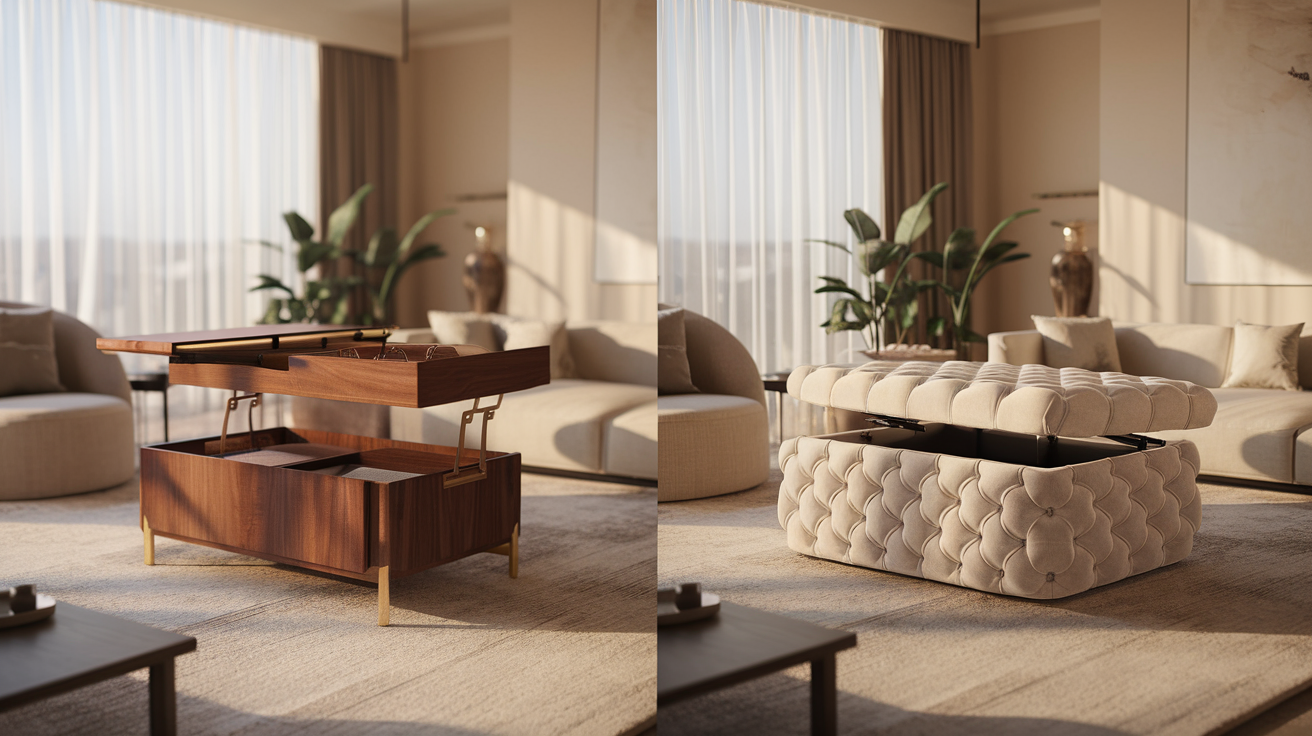
Table Of Contents
- Evolving Coffee Table Trends: Function Meets Style
- Lift-Top Coffee Tables: The Versatile Workspace Solution
- Storage Ottoman Coffee Tables: Multifunctional Seating & Storage
- Style & Aesthetic Comparison
- Space Considerations & Room Layout
- Price-to-Value Assessment
- Maintenance & Durability Factors
- Which Option Is Right for Your Home?
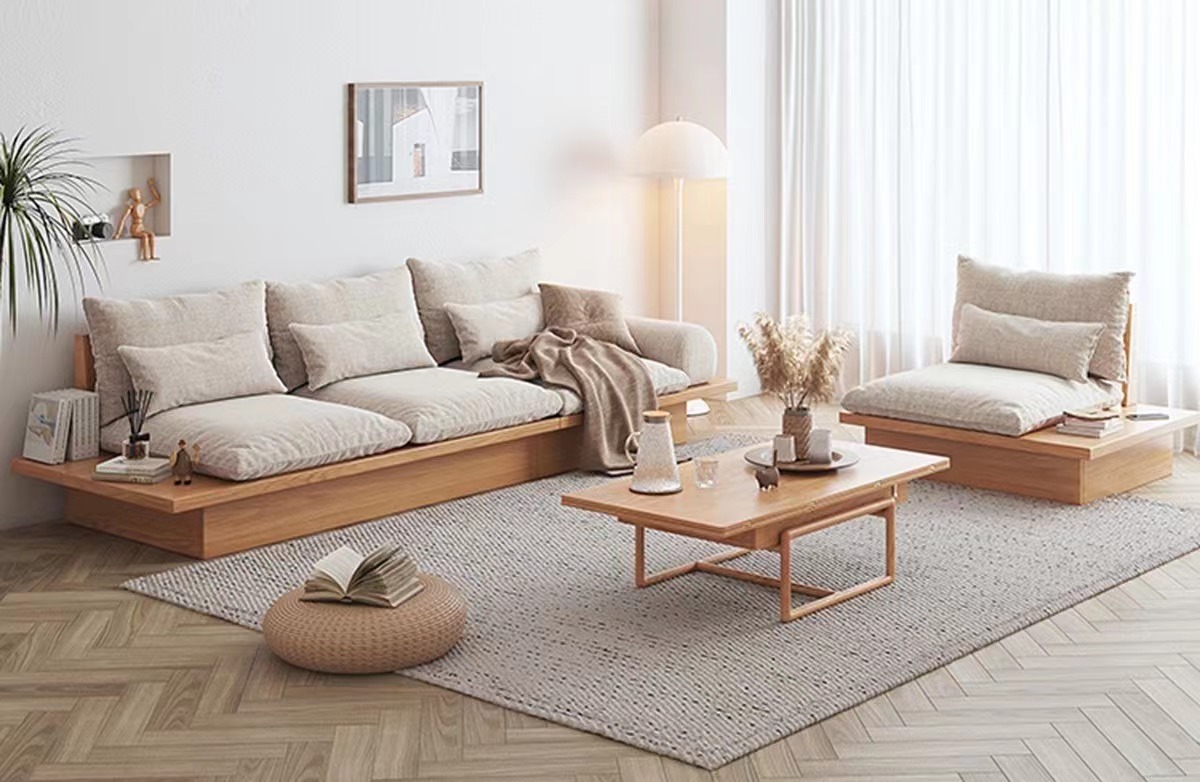
The humble coffee table has evolved far beyond its original purpose as a simple surface for beverages. In today's multifunctional homes, coffee tables have become central pieces that must balance form and function in increasingly clever ways. As we look toward 2025, two designs continue to dominate the conversation: lift-top coffee tables and storage ottomans.
These innovative approaches to the traditional coffee table represent a growing trend toward furniture that works harder in our living spaces. With remote work becoming a permanent fixture and living spaces getting smaller in urban areas, furniture that can serve multiple purposes isn't just convenient—it's essential.
In this comprehensive guide, we'll explore how lift-top coffee tables and storage ottomans compare across functionality, aesthetics, space efficiency, and value. Whether you're redesigning your living room or simply looking to maximize your space with smarter furniture choices, understanding these two popular options will help you make an informed decision that enhances both the style and utility of your home.
Evolving Coffee Table Trends: Function Meets Style
The coffee table market has witnessed a significant shift over the past decade. Where once purely decorative tables reigned supreme, today's market favors pieces that offer additional utility without compromising on design aesthetics. This evolution reflects broader lifestyle changes—particularly the blurring boundaries between work and home life.
According to interior design forecasts, 2025 will see a continued emphasis on multifunctional furniture as homeowners seek to maximize their living spaces. The pandemic-accelerated trend of adapting homes to accommodate work, entertainment, and relaxation in the same space has permanently changed consumer expectations of what furniture should do.
In this new landscape, lift-top coffee tables and storage ottomans have emerged as frontrunners, each offering unique solutions to common living space challenges. Both designs prioritize functionality but take distinctly different approaches to balancing form and utility.
Lift-Top Coffee Tables: The Versatile Workspace Solution
Lift-top coffee tables represent one of the most innovative adaptations of traditional coffee table design. These pieces feature a mechanical top section that can be raised and extended toward the user, creating an instant workspace or dining surface at a comfortable height.
The mechanism typically allows the surface to be positioned at standard desk height (28-30 inches), eliminating the need to hunch over when working on a laptop, eating a meal, or engaging in other activities that benefit from a higher surface. When not in use, the table returns to standard coffee table height, maintaining a traditional profile in your living room.
Most lift-top designs also incorporate storage space beneath the raising mechanism, offering a convenient place to store remote controls, magazines, laptops, and other living room essentials. This combination of adjustable height and storage makes lift-top tables particularly appealing for those who regularly work from their couch.
Key Advantages of Lift-Top Designs
The benefits of lift-top coffee tables extend beyond just providing a work surface. Here are some of the key advantages driving their popularity:
Ergonomic Improvement: By raising your working surface to a proper height, lift-top tables help prevent neck and back strain during extended use of laptops or tablets. This ergonomic benefit has become increasingly valuable as more people work from home.
Dining Convenience: The elevated surface makes casual dining much more comfortable, eliminating the awkward hunching that comes with eating at traditional coffee table height. This feature is particularly appreciated in apartments or smaller homes where a dedicated dining area might be limited.
Concealed Storage: Unlike traditional coffee tables where items might be visible on shelves, lift-tops typically offer hidden storage compartments, helping maintain a cleaner, more organized appearance in your living space.
Space Efficiency: By combining workspace and living room furniture, lift-top designs eliminate the need for a separate desk in smaller homes, making them excellent space-savers.
Design Considerations for Lift-Top Tables
While lift-top tables offer significant advantages, they also come with certain design considerations that might impact their suitability for your space:
Mechanism Durability: The lifting mechanism introduces moving parts that can potentially wear out or malfunction over time. Higher quality tables feature robust mechanisms with hydraulic or pneumatic supports that minimize this concern.
Weight Limitations: Most lift-tops have weight restrictions for the raised surface, typically ranging from 15-50 pounds depending on the quality of construction. This limitation means they may not be suitable for very heavy items.
Visual Weight: To accommodate the lifting mechanism and maintain stability, these tables often have a more substantial appearance than minimalist coffee table designs. This heavier visual presence may not suit all interior styles.
Clearance Requirements: When extended, the top surface projects outward, requiring adequate clearance space between the table and seating. This spatial requirement should be considered when planning your room layout.
Storage Ottoman Coffee Tables: Multifunctional Seating & Storage
Storage ottoman coffee tables take a fundamentally different approach to multifunctionality. Rather than adapting the traditional hard-surface coffee table with mechanical features, ottomans blend the concepts of footrest, seating, table, and storage into a single, soft-surfaced piece.
The typical storage ottoman features a padded, upholstered top that lifts or removes to reveal a storage compartment within. Many designs include reversible tops with a tray on one side, allowing the piece to function as a more traditional table surface when needed.
This category of furniture has seen remarkable innovation in recent years, with manufacturers offering increasingly sophisticated designs that better balance the ottoman's multiple functions. Premium versions now include integrated side tables, built-in USB charging ports, and convertible designs that can be reconfigured in multiple ways.
Benefits of Ottoman Coffee Tables
Storage ottomans offer a distinctive set of advantages that make them particularly well-suited to certain living situations and preferences:
Superior Comfort: The padded surface makes ottomans ideal for putting up feet or providing casual additional seating—functions that hard-surface coffee tables cannot offer. This comfort factor makes them family-friendly options, particularly in homes with young children.
Flexible Positioning: Unlike traditional coffee tables or lift-tops that remain stationary, ottoman coffee tables are typically lighter and can be easily moved around the room as needed, creating flexible seating arrangements for gatherings.
Extensive Storage: The hollow interior of storage ottomans often provides more cubic storage space than the drawers or shelves of traditional coffee tables, making them excellent for storing bulkier items like throw blankets, board games, or children's toys.
Safety Benefits: The padded, upholstered exterior makes ottomans safer in households with small children, eliminating concerns about sharp corners or hard surfaces.
Limitations of Storage Ottomans
While storage ottomans excel in comfort and flexibility, they do come with certain limitations:
Surface Stability: Even with tray inserts, ottoman surfaces tend to be less stable than solid coffee tables, which can make activities like writing or detailed work more challenging. Drinks are also more prone to spilling on these less rigid surfaces.
Maintenance Requirements: Upholstered surfaces require more regular cleaning and are more susceptible to stains than the wood, glass, or metal surfaces of traditional coffee tables. The fabric or leather covering may also wear or fade over time.
Limited Workspace Functionality: Unlike lift-top tables, storage ottomans don't offer ergonomic height adjustment for working. This makes them less suitable as makeshift desks for those who need to work from their living room regularly.
Style Limitations: While available in many fabrics and colors, ottomans inherently have a more casual, relaxed appearance that may not complement very formal or minimalist interior design schemes.
Style & Aesthetic Comparison
When evaluating lift-top tables versus storage ottomans, aesthetic considerations play a crucial role in determining which option better complements your existing interior design.
Lift-top coffee tables tend to maintain more traditional coffee table appearances when in their lowered position. They're available in a wide range of design styles from rustic farmhouse to sleek contemporary, with materials including reclaimed wood, glass, metal, and high-gloss finishes. The lifting mechanism is generally well-integrated into the design, becoming visible only when in use.
Storage ottomans, by contrast, make a distinctly different visual statement. Their upholstered nature introduces textile elements—leather, linen, velvet, or performance fabrics—that add textural contrast to living spaces. This softness can create a more casual, inviting atmosphere than hard-surface tables.
Looking toward 2025 trends, designers predict continued growth in biophilic and sustainable materials for both categories. For lift-tops, this translates to responsibly sourced woods with natural finishes and minimal VOCs. For ottomans, recycled and natural fiber fabrics with non-toxic stain resistance are gaining popularity.
Color trends for both types show a move toward warmer neutrals and nature-inspired hues, with particular emphasis on versatile pieces that can adapt to evolving color schemes. Modular and customizable designs are also expected to grow in popularity as consumers seek furniture that can evolve with their changing needs.
Space Considerations & Room Layout
The physical dimensions and operational requirements of your coffee table choice should be carefully evaluated against your available space and room layout.
Lift-top coffee tables typically require more clearance space than standard coffee tables or ottomans. When the top is raised and extended, it projects into the seating area—usually toward the sofa. This means you'll need to ensure there's adequate space between the table and seating to accommodate the extended top without forcing users to sit uncomfortably far back on the sofa.
Most lift-top mechanisms extend 8-12 inches toward the user and raise the surface by 6-8 inches. Before committing to a lift-top design, consider measuring your current coffee table placement and visualizing whether this extension would create ergonomic issues with your seating arrangement.
Storage ottomans, while not requiring operational clearance for moving parts, often have a larger footprint than traditional coffee tables of similar capacity. Their fully upholstered nature means the outer dimensions need to be larger to provide the same usable surface area. However, their soft edges allow them to be placed closer to seating without creating uncomfortable obstacles.
For smaller spaces like apartments or compact living rooms, ottomans often provide more flexibility as they can be more easily moved aside when needed or even serve as occasional seating. Lift-top tables, while fixed in position, offer the advantage of not requiring additional desk space for temporary work activities.
Consider also how either option might integrate with your existing smart home setup. Some newer coffee table designs offer integrated charging stations, ambient lighting, or even connectivity features that might complement your Smart Living environment.
Price-to-Value Assessment
When evaluating the investment worthiness of lift-top tables versus storage ottomans, several factors contribute to their respective price points and long-term value.
Lift-top coffee tables typically command higher prices than comparable non-mechanical tables, with the premium reflecting the cost of the lifting mechanism and additional engineering required. Entry-level lift-tops start around $150-200, while mid-range options with quality mechanisms and materials generally fall between $300-600. Premium designs with advanced features like hydraulic lifts, integrated lighting, or exceptional craftsmanship can exceed $1,000.
Storage ottomans present a broader price range, with basic functional models available from $100-150. Mid-quality ottomans with better upholstery and storage features typically range from $200-400. High-end designer versions with premium leathers or specialized functionalities can reach $800 or more.
In line with Smart Living's value-focused approach to home furnishings, it's worth noting that the direct-to-consumer model has made both furniture types more accessible at better quality points than traditional retail channels. By eliminating middlemen, companies like Smart Living can deliver higher-grade materials, better mechanisms, and superior finishes at competitive price points.
When assessing value, consider not just the initial purchase price but also:
Versatility Factor: How many distinct functions will the piece serve in your home? More versatile pieces that eliminate the need for additional furniture items may justify a higher initial investment.
Durability Expectations: Mechanical components in lift-tops add potential failure points but may be covered by warranties. Upholstery on ottomans has different longevity considerations depending on material quality and household conditions.
Replacement Cycle: Well-made hardwood lift-top tables may last decades with only mechanism maintenance, while ottoman upholstery typically requires replacement or professional cleaning more frequently, affecting lifetime cost.
Maintenance & Durability Factors
The maintenance requirements and expected lifespan of your coffee table choice represent important practical considerations that will affect your long-term satisfaction.
Lift-top coffee tables require attention to both their surface materials and mechanical components. The lifting mechanism should be periodically checked for proper operation and may require occasional lubrication or adjustment. Weight limits should be strictly observed to prevent damage to the mechanism or support struts.
Surface maintenance for lift-tops follows standard practices for their construction material—wood surfaces benefit from regular dusting and occasional polishing, while glass tops require frequent cleaning to maintain their appearance. The track or hinge areas where the mechanism operates may collect dust or debris and should be cleaned periodically to ensure smooth operation.
Storage ottomans present different maintenance challenges, primarily related to their upholstery. Fabric coverings benefit from regular vacuuming with upholstery attachments and prompt attention to spills. Many modern performance fabrics offer stain-resistant qualities, but still require care to maintain their appearance over time.
For households with pets, the textile surfaces of ottomans may collect hair and potentially attract clawing, making material selection particularly important. Leather or faux leather ottomans offer easier cleaning but may show scratches more readily. Some newer smart appliance vacuum models offer specialized attachments specifically designed for efficient furniture maintenance.
From a durability perspective, quality lift-top tables generally offer longer service lives, with well-made mechanisms lasting 7-10 years before potentially requiring service. The table structure itself, if made of solid wood or metal, can last decades. Ottoman frames typically remain structurally sound for many years, but upholstery may show wear or become dated within 5-7 years, potentially requiring reupholstering to extend the furniture's useful life.
Which Option Is Right for Your Home?
Making the final choice between a lift-top coffee table and a storage ottoman ultimately depends on aligning your specific lifestyle needs with the strengths of each option.
A lift-top coffee table might be the ideal choice if:
Remote Work Is Regular: You frequently work from your sofa and need an ergonomic surface height for extended laptop or writing sessions.
Dining In The Living Room: You often eat meals while watching TV and would benefit from a more comfortable dining height.
Traditional Aesthetics: Your interior design scheme leans toward conventional living room arrangements where a traditional coffee table silhouette is preferred.
Hard Surface Priority: Your activities require a stable, solid surface for items like drinks, board games, or decorative elements.
A storage ottoman coffee table might better suit your needs if:
Comfort Is Key: You prioritize comfort for feet-up relaxation and occasional extra seating over workspace functionality.
Child-Friendly Spaces: Safety concerns about hard corners and surfaces make padded furniture preferable, especially with young children.
Flexible Room Layouts: You reconfigure your living space frequently and value furniture that can be easily moved or repurposed.
Casual Atmosphere: Your home style emphasizes relaxed, inviting environments where more casual furniture elements enhance the desired mood.
For many households, the ideal solution might actually be a thoughtful combination of both elements—perhaps a primary lift-top table complemented by a smaller ottoman that can serve as a side table, footrest, or additional seating when needed. This hybrid approach, combining smart office functionality with comfort, allows for maximum flexibility across different household activities.
Regardless of which direction you choose, prioritizing quality construction within your budget will ensure your selection provides lasting value and performance. The direct-to-consumer model pioneered by companies like Smart Living often allows access to higher quality materials and construction at more accessible price points, making it possible to invest in better pieces that will serve your needs for years to come.
As we look toward the evolving living space trends of 2025, both lift-top coffee tables and storage ottomans continue to offer compelling solutions for today's multifunctional homes. Each option presents a unique balance of practicality and style that can significantly enhance how you use and enjoy your living space.
Lift-top designs excel at creating impromptu workspaces and dining surfaces while maintaining a traditional coffee table appearance. Their hard surfaces and height-adjusting capabilities make them particularly valuable for homes where remote work happens frequently in the living area.
Storage ottomans shine in their versatility as footrests, extra seating, and hidden storage, while adding a softer, more casual element to living rooms. Their child-friendly surfaces and flexible positioning make them favorites in family-focused homes where comfort and adaptability take precedence.
The right choice ultimately depends on your specific lifestyle, space constraints, and how you prioritize the different functions these pieces can serve. By carefully considering how you actually use your living space most days, you'll be able to select the option that truly enhances your home life rather than simply following passing trends.
Whichever direction you choose, investing in quality construction and materials will ensure your selection remains functional, beautiful, and relevant well beyond the trends of any single season. The best furniture choices are those that continue to serve your needs elegantly year after year, becoming more valuable to your daily life over time.
发表评论